pattern

本 Insight - 上級 - 語彙の洞察 2

ここでは、Insight AdvancedコースブックのVocabulary Insight 2からの単語、例えば"liable"、"go against"、"rife"などを見つけることができます。

レビュー

フラッシュカード

綴り

クイズ

学習を開始
Insight - Advanced
fascinating
fascinating
[形容詞]

extremely interesting or captivating

魅力的な, 興味深い

魅力的な, 興味深い

Ex: The history of ancient civilizations is endlessly fascinating to archaeologists. 

古代文明の歴史は考古学者にとって無限に魅力的です。

classic
classic
[形容詞]

considered to be one of the best or most important kind

古典的な, 伝統的な
古典的な, 伝統的な

Ex: "Pride and Prejudice" is considered a classic novel in English literature. 
medical
medical
[形容詞]

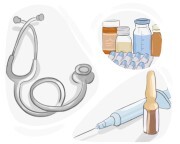
related to medicine, treating illnesses, and health

医療の, 医学的な
医療の, 医学的な

Ex: The medical community emphasizes the importance of regular exercise for overall health. 
aware
aware
[形容詞]

having an understanding or perception of something, often through careful thought or sensitivity

気づいている, 知っている

気づいている, 知っている

Ex: She became aware of the time when she heard the clock chiming. 

時計の音を聞いたとき、彼女は時間に気づいた。

liable
liable
[形容詞]

possible to do a particular action

しやすい, できる

しやすい, できる

Ex: The wet floor made him liable to slip and fall if he wasn't careful. 

濡れた床は、注意していないと彼が滑って転ぶ可能性を高めた。

plus
plus
[前置詞]

used to introduce an additional fact, feature, or point

さらに, プラス

さらに, プラス

Ex: She loves hiking, plus she enjoys camping. 
rife
rife
[形容詞]

containing a large amount of something that is usually unpleasant

満ちた, 蔓延した

満ちた, 蔓延した

Ex: The internet is often rife with misinformation, making it hard to distinguish facts from rumors. 

インターネットはしばしば誤った情報で溢れており、事実と噂を区別するのが難しくなります。

plenty
plenty
[代名詞]

a plentiful or abundant amount of something

たくさん, 豊富
たくさん, 豊富

Ex: There are plenty of reasons to visit the national park, including the beautiful scenery and hiking trails. 
major
major
[形容詞]

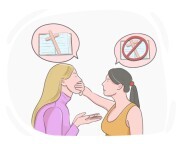
serious and of great importance

重要な, 深刻な
重要な, 深刻な

Ex: His major contribution to the field of science earned him international recognition. 
to go against

to oppose or resist someone or something

反対する, 抵抗する

反対する, 抵抗する

Ex: Many citizens went against the government's policies by participating in protests. 

多くの市民が抗議に参加することで政府の政策に反対した。

to [bury|have] {one's} head in the sand

to intentionally ignore unpleasant facts about a situation and hope that the situation improves by doing so

現実から目を背ける, 嫌な事実を見ないふりをする

現実から目を背ける, 嫌な事実を見ないふりをする

Ex: You can't just bury your head in the sand and hope the debt disappears. 

現実から目を背けて、借金が消えることを期待するわけにはいかない。

to [turn] a blind eye

to pretend as if one cannot see or notice something

見て見ぬふりをする, 気づかないふりをする

見て見ぬふりをする, 気づかないふりをする

Ex: The supervisor turned a blind eye to the safety violations. 

監督者は安全違反を見て見ぬふりした。

to bow down
to bow down
[動詞]

to lower one's body in a gesture of respect or submission, often by bending at the waist or knees

お辞儀をする, ひれ伏す

お辞儀をする, ひれ伏す

Ex: As a mark of respect, the students would bow down to their teacher at the end of each class. 

敬意の表れとして、生徒たちは毎授業の終わりに先生にお辞儀をしていました。

penalty
penalty
[名詞]

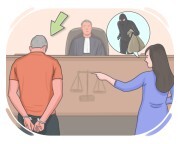
a punishment given for breaking a rule, law, or legal agreement

罰金, 制裁
罰金, 制裁

Ex: She faced a harsh penalty for her involvement in the illegal activity. 
defendant
defendant
[名詞]

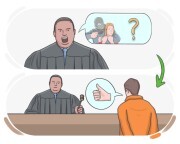
a person in a law court who is sued by someone else or is accused of committing a crime

被告, 被告人
被告, 被告人

Ex: The judge instructed the jury to consider all the evidence presented before reaching a verdict on the defendant's case. 
to plead
to plead
[動詞]

to officially state in court whether one is guilty or not guilty of a criminal charge

Ex: Daniel pleaded not guilty to the charge. 
prosecution
prosecution
[名詞]

the legal process of officially accusing someone of a crime and trying to prove their guilt in court

起訴,  訴追

起訴, 訴追

Ex: The driver could face prosecution for leaving the scene of the accident. 
confession
confession
[名詞]

an acknowledgment of having committed a wrong, shameful, or embarrassing act

告白, 自白

告白, 自白

Ex: She made a confession about lying to her friend. 

彼女は友人に嘘をついたことについて告白しました。

acquittal
acquittal
[名詞]

an official judgment in court of law that declares someone not guilty of the crime they were charged with

無罪判決, 放免

無罪判決, 放免

Ex: The defendant was relieved to receive an acquittal after a lengthy trial, as the jury found them not guilty of all charges. 

被告人は、長い裁判の末に無罪判決を受け安堵した、陪審員がすべての罪状について無罪としたため。
to foreshadow

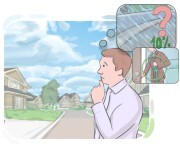
to indicate in advance that something, particularly something bad, will take place

前兆を示す, 予兆する

前兆を示す, 予兆する

Ex: The dark clouds foreshadowed an impending storm. 

暗い雲が迫り来る嵐を予兆していた。

LanGeek
LanGeekアプリをダウンロード