
Le livre Total English - Pré-intermédiaire - Unité 12 - Leçon 3
Ici, vous trouverez le vocabulaire de l'Unité 12 - Leçon 3 du manuel Total English Pre-Intermediate, comme "emprunter", "dépendre", "être d'accord", etc.
Réviser
Flashcards
Orthographe
Quiz
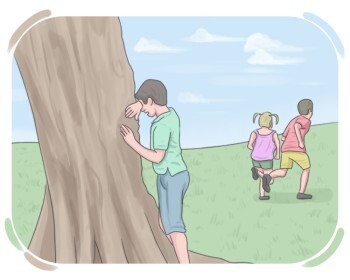
to take part in a game or activity for fun

jouer
Les enfants jouaient à la marelle sur le trottoir.
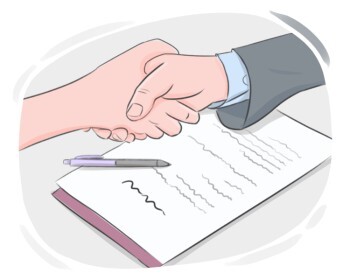
to hold the same opinion as another person about something
être d’accord, s'accorder avec
Ils sont d'accord que le film était excellent.

to be one's property
appartenir à
L'œuvre d'art exposée dans la galerie appartient à un artiste célèbre.
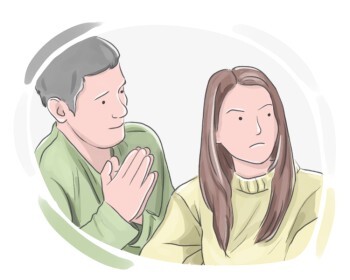
to tell a person that one is sorry for having done something wrong
présenter ses excuses, faire ses excuses
Il est important de s'excuser si vous blessez accidentellement les sentiments de quelqu'un, même involontairement.
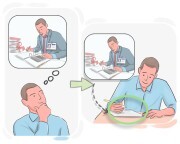
to make a formal request for something, especially by submitting a written application
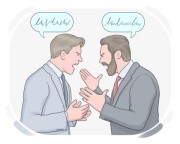
to speak to someone often angrily because one disagrees with them
se disputer, se quereller
J'ai discuté avec le commerçant au sujet du prix de la chemise.
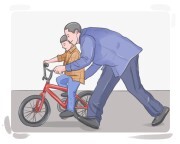
to be based on or related with different things that are possible
dépendre
Les rendements des cultures en agriculture dépendent souvent de facteurs tels que les conditions météorologiques, la qualité du sol et l'irrigation.
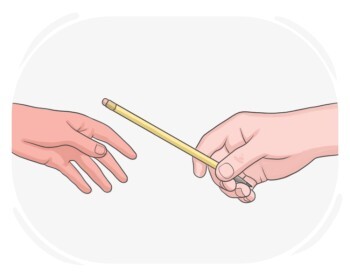
to use or take something belonging to someone else, with the idea of returning it
emprunter
L'entreprise a décidé d'emprunter des fonds à la banque pour financer le projet d'expansion.
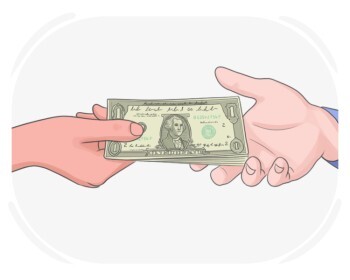
to give something to someone temporarily, expecting them to return it later
prêter
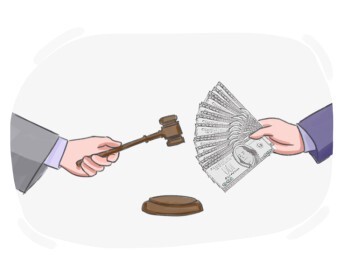
to have the responsibility of paying someone back a certain amount of money that was borrowed
devoir
Elle se rend compte qu'elle doit une somme importante à sa sœur après avoir emprunté de l'argent pour réparer sa voiture.

to use money as a payment for services, goods, etc.
dépenser
Je dois faire attention à ne pas dépenser trop pour des articles inutiles.
a game of chance where tickets with numbers or symbols are purchased, and a random selection of numbers or symbols determines the winners
loterie
Le tirage de la loterie aura lieu samedi soir.
| Le livre Total English - Pré-intermédiaire | |||
|---|---|---|---|
| Unité 11 - Leçon 1 | Unité 11 - Leçon 2 | Unité 11 - Référence | Unité 12 - Leçon 1 |
| Unité 12 - Leçon 2 | Unité 12 - Leçon 3 | Unité 12 - Référence | |
