
Le livre Total English - Intermédiaire Supérieur - Unité 2 - Leçon 3
Ici, vous trouverez le vocabulaire de l'Unité 2 - Leçon 3 du manuel Total English Upper-Intermediate, comme "émigrer", "errer", "accompagner à son départ", etc.
Réviser
Flashcards
Orthographe
Quiz

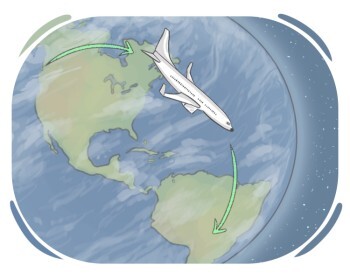
to leave one's own country in order to live in a foreign country

émigrer
Chaque année, des milliers de personnes émigrent des nations en développement à la recherche de meilleures perspectives économiques en Europe occidentale et en Amérique du Nord.
in or traveling to a different country
à l’étranger
Il est parti à l'étranger pour affaires et est revenu avec de nouvelles idées.

to change one's place of residence or work
déménager,s'installer
Elle est passée d'un département à un autre au sein de l'entreprise.

to stop living, working, or being a part of a particular place or group
partir
Il a décidé de quitter son travail et de poursuivre une nouvelle carrière.

to go from one place to another with no specific destination or purpose in mind
errer, vagabonder
Les enfants étaient autorisés à errer librement dans la prairie, explorant la nature et poursuivant les papillons.
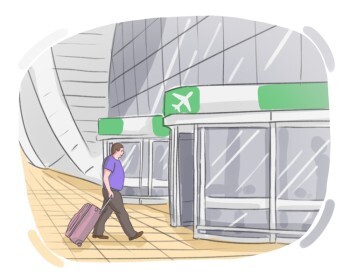
to leave a place and begin a journey
se mettre en route, partir

to accompany someone to their point of departure and say goodbye to them
raccompagner pour dire au revoir, accompagner au point de départ et dire au revoir
Il a promis de reconduire ses invités après leur visite chez lui.
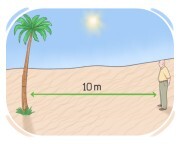
at or to a certain distance away in physical space
de
Leur cottage est juste à une courte marche à distance du lac.
