
Le livre Total English - Avancé - Unité 6 - Vocabulaire
Ici, vous trouverez les mots de l'Unité 6 - Vocabulaire du manuel Total English Advanced, tels que "vieux de la vieille", "sauver la face", "arriver à un point culminant", etc.
Réviser
Flashcards
Orthographe
Quiz

to have a lot of work that needs to be dealt with

avoir les mains pleines, avoir beaucoup à faire
Avec les jumeaux, elle a les mains pleines.
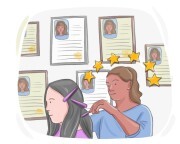
(of a person) having extensive knowledge about or a lot of experience in a particular activity or job
vieux routier, habitué du métier
Il est peut-être discret, mais en cuisine, c'est un vieux routier.
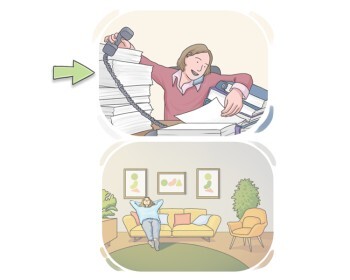
to have a lot of things that need to be done
être débordé, avoir mille choses à faire
Après l'accident, les infirmiers étaient débordés.
to experience success or good fortune, particularly after a period of facing challenges or setbacks
retomber sur ses pieds, s'en sortir sans dégâts
Quoi qu'il arrive, elle retombe toujours sur ses pieds.

to become very dangerous or problematic in a way that demands immediate action
atteindre un point critique, arriver à un point de rupture
La crise du logement a atteint un point critique lorsque les loyers ont doublé en un an.
to naturally excel at doing something
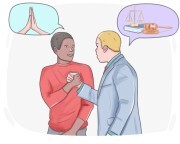
to show concern about someone, often someone who is in trouble, and do one's best to help them
vouloir le bien de quelqu'un, avoir à cœur l'intérêt de quelqu'un
Tes parents ne sont peut-être pas d'accord avec toi, mais ils veulent ton bien.
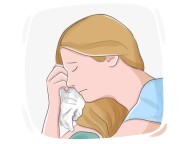
used to express one's sadness or disappointment about something
le cœur se serre, ressentir une profonde déception
Mon cœur s'est serré en voyant les dégâts sur ma voiture.
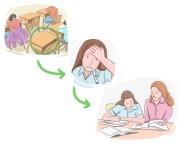
to accept and confront the punishment or consequence of one's wrongdoings or irresponsible actions
assumer les conséquences, payer les pots cassés
Elle a enfreint les règles et doit maintenant assumer les conséquences.
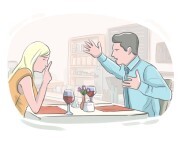
to take action or make a statement in order to avoid embarrassment, humiliation, or loss of respect
sauver la face, éviter l'humiliation
Elle en a ri pour sauver la face.
