
Vocabulaire pour l'IELTS General (Score 5) - Actions Physiques et Réactions
Ici, vous apprendrez quelques mots anglais liés aux actions et réactions physiques qui sont nécessaires pour l'examen IELTS General Training.
Réviser
Flashcards
Orthographe
Quiz
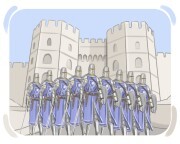
to not let any harm come to someone or something

défendre
Le super-héros était déterminé à défendre la ville contre les méchants et les menaces.
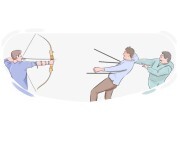
to prevent someone or something from being damaged or harmed
protéger
Chaque entreprise se bat pour protéger ses propres intérêts commerciaux.
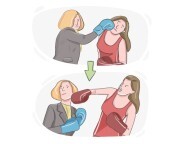
to use force to prevent something from happening or to fight against an attack
résister à
Il a été accusé de résister à l'arrestation après avoir lutté avec les policiers qui tentaient de l'appréhender.
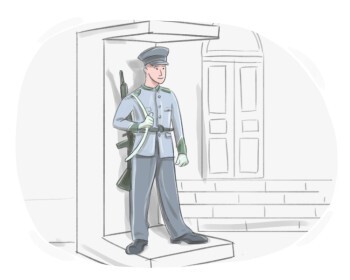
to watch and protect a person, place, or property from danger, attack, or theft
protéger
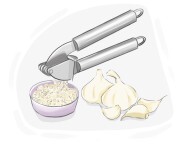
to press or squeeze someone or something with enough force to damage, injure, or change its shape
écraser
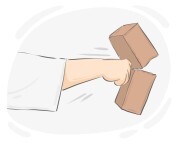
to separate something into more pieces, often in a sudden way
casser
Les vents violents de la tempête peuvent casser les branches des arbres.
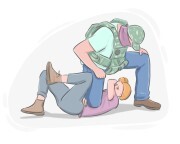
to use physical force against someone or something with the intention of causing harm
attaquer
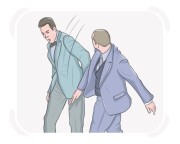
to hit someone or something with an open hand, usually making a sharp sound
gifler,claquer
Dans un accès de colère, elle a menacé de le gifler s'il ne cessait pas de faire des remarques offensantes.
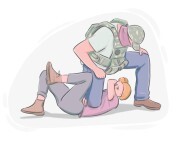
to hit someone repeatedly, often causing injury
battre, frapper
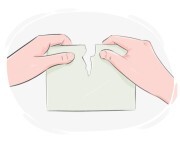
to tear, split, or cut something apart forcefully, usually with a quick movement
déchirer
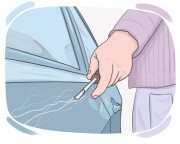
to damage a surface or skin by making a thin, shallow cut or mark with something sharp or rough
gratter
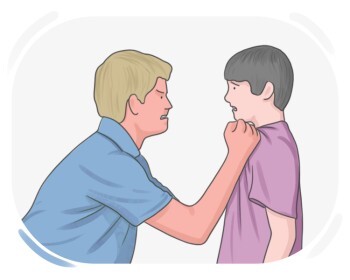
to use power or influence to frighten or harm someone weaker or more vulnerable
intimider,brimer
Il a été harcelé à l'école parce qu'il était différent, ce qui a laissé des cicatrices émotionnelles durables.
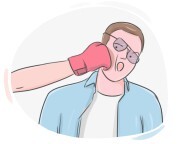
to strike someone or something with force using one's hand or an object
frapper
Le boxeur a frappé son adversaire avec un coup puissant.
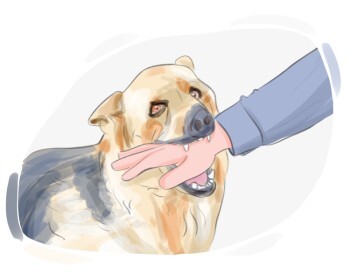
to cut into flesh, food, etc. using the teeth
mordre
Le tout-petit a pleuré bruyamment après s'être accidentellement mordu le doigt.
