
Verbes Liés aux Thèmes des Actions Humaines - Verbes liés aux affaires
Ici, vous apprendrez quelques verbes anglais relatifs aux affaires tels que "investir", "vendre au détail", et "profiter".
Réviser
Flashcards
formes
Orthographe
Quiz


to spend money or resources with the intention of gaining a future advantage or return

investir

to get goods or services from an external supplier or assign specific tasks to an outside entity rather than handling them internally
externaliser, sous-traiter
Les entreprises peuvent choisir de externaliser les processus de fabrication pour réduire les coûts de production.

to get money for the job that we do or services that we provide
gagner, mériter
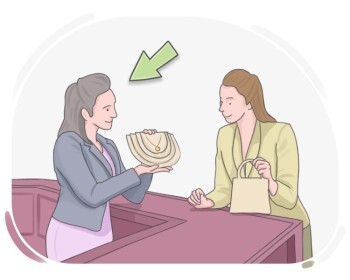
to sell goods directly to consumers
vendre au détail

to gain something good from something or someone
profiter de, tirer profit de, tirer avantage de
to gain money or material benefits
profiter, bénéficier
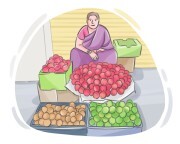
to sell goods, typically in a public place or through a vending machine
vendre, commercialiser
Certains artistes choisissent de vendre leurs artisanats faits à la main sur les marchés locaux.
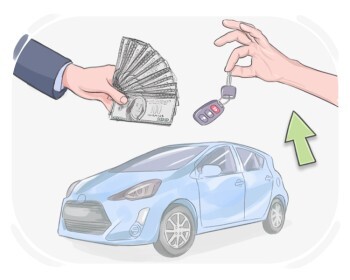
to give something to someone in exchange for money
vendre
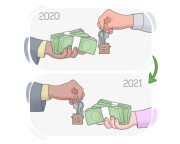
to sell something one has previously purchased
revendre, recommercialiser
Les entrepreneurs peuvent choisir de revendre des quantités en vrac de produits à un prix plus élevé.
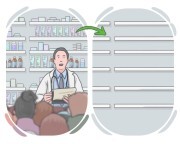
(of an event) to completely sell all available tickets, seats, leaving none remaining for further purchase
être vendu
L'exposition d'art a fait complet, et beaucoup sont restés déçus sans billets.
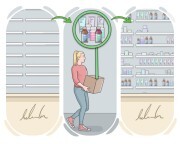
to provide with a supply of something, such as goods or inventory, for use or sale
approvisionner, stocker

to enthusiastically promote or advertise something, emphasizing its positive qualities to attract attention or interest
vanter, promouvoir
Les agents immobiliers peuvent vanter les caractéristiques souhaitables d'une propriété pour attirer les acheteurs potentiels.
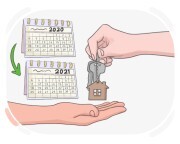
to provide services or temporary use of something to someone, in exchange for a fee
louer contre paiement, accorder temporairement l'usage à quelqu'un
Ils ont une chambre d'amis et sont prêts à la louer pour un revenu supplémentaire.
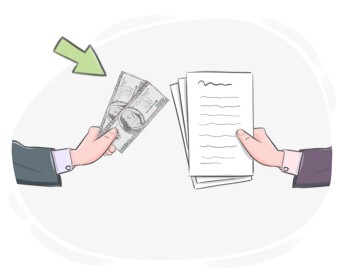
to ask a person to pay a certain amount of money in return for a product or service
faire payer
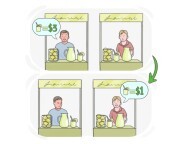
to demand a lower price than one's rivals
sous-coter, casser les prix
Les détaillants en ligne s'engagent souvent dans des guerres de prix, essayant de sous-coter les uns les autres pour obtenir une plus grande part de marché.

to earn or produce a particular total amount of revenue before deductions
rapporter, générer
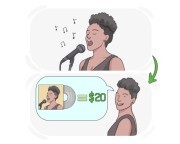
to set an amount that is needed as payment for a product or a service
fixer le prix de

to be involved in or conduct activities related to a particular kind of business, commodity, or trade
faire commerce de quelque chose, exercer dans un secteur commercial particulier
En tant qu'agent immobilier, elle travaille principalement dans les propriétés résidentielles du centre-ville.
to earn a lot of money or resources through successful efforts or actions
gagner beaucoup d'argent, réaliser d'importants profits grâce à des efforts réussis
L'auteur à succès a continué à empocher des droits d'auteur grâce à ses livres.
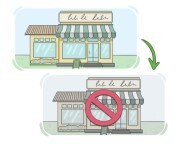
to close a business, factory, or organization, either temporarily or permanently
fermer, cesser ses activités
Le propriétaire a dû fermer temporairement la production pour maintenance.

to sell goods, typically by traveling from place to place or going door-to-door
faire du porte-à-porte
Certains vendeurs de rue colportent des collations et des boissons aux navetteurs dans les zones animées.

to settle financial matters of a business by determining its liabilities and distributing its assets to cover them
liquider, réaliser
Afin de liquider la corporation, ils ont dû effectuer un audit approfondi de toutes les passifs et actifs.

to begin a process with the goal of making it operational and successful
démarrer, lancer
L'entrepreneur a lancé l'entreprise avec un petit investissement.
(of a business, shop, company, etc.) to no longer be open or operating, particularly permanently
fermer un commerce ou une entreprise pour qu'il cesse son activité, cesser d'ouvrir ou d'exploiter un commerce
La petite librairie a fermé ses portes après des années de lutte.

to sell ownership of all or part of an industry or company by selling its assets
liquider, céder
Il prévoit de liquider l'entreprise et de prendre sa retraite l'année prochaine.
