Vocabolario per IELTS (Base) - Sentimenti
Qui imparerai alcune parole inglesi sui sentimenti, come "nervoso", "contento", "spaventato", ecc., necessarie per l'esame IELTS.
Revisione
Flashcard
Ortografia
Quiz

a discussion, typically a serious one, between two or more people with different views

discussione

to express your annoyance, unhappiness, or dissatisfaction about something
lamentarsi, protestare
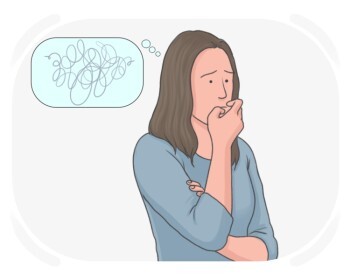
worried and anxious about something or slightly afraid of it
nervoso
Si sentiva nervoso prima della sua grande presentazione al lavoro.

feeling happy and satisfied with something that has happened or with someone's actions
contento
L'insegnante era soddisfatto dei progressi degli studenti.

feeling frightened or anxious
impaurito
Ha ammesso di avere paura di volare in aereo.

(psychology) a state of mental or emotional strain or suspense
stress

feeling or showing shock or amazement
sorpreso
Sembravano genuinamente sorpresi dalla notizia inaspettata.
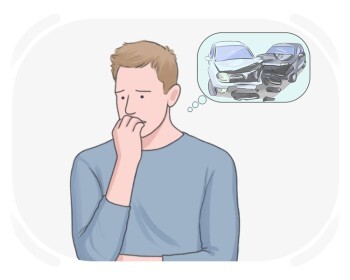
feeling unhappy and afraid because of something that has happened or might happen
preoccupato
Era preoccupato per la sicurezza del suo lavoro, sentendosi a disagio per i recenti licenziamenti dell'azienda.

feeling or showing great surprise
meravigliato
Ha lasciato sfuggire un respiro stupito quando ha visto l'intricato castello di sabbia costruito sulla spiaggia.
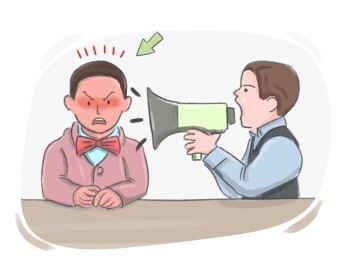
feeling slightly angry or irritated
seccato
L'espressione irritata sul suo volto mostrava la sua frustrazione con la lenta connessione internet.
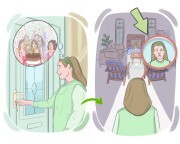
not satisfied or happy with something, because it did not meet one's expectations or hopes
deluso
L'allenatore sembrava deluso dalla performance della squadra.

feeling ashamed and uncomfortable because of something that happened or was said
imbarazzato
Era chiaramente imbarazzato per l'errore che aveva commesso.

feeling extremely tired physically or mentally, often due to a lack of sleep
esausto
Si sentiva esausta emotivamente dopo aver partecipato al funerale di un amico stretto.
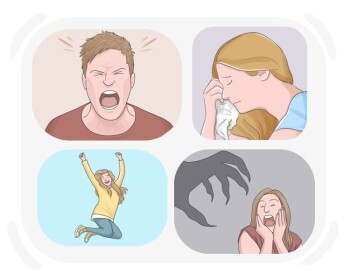
a strong feeling such as love, anger, etc.
emozione

a strong feeling of enthusiasm, eagerness, or emotional stimulation
eccitazione
feeling afraid, often suddenly, due to danger, threat, or shock
spaventato
Si sentì spaventata dai sinistri avvertimenti di una tempesta in arrivo.

expressing or feeling appreciation for something received or experienced
grato
Ha inviato un biglietto di ringraziamento per esprimere quanto fosse grata per l'ospitalità.

(of senses) sharp and highly-developed
appassionato

an intense and irrational fear toward a specific thing such as an object, situation, concept, or animal
fobia
Lei ha una fobia dei ragni e si sente estremamente ansiosa ogni volta che ne vede uno.

a feeling of great enjoyment and happiness
piacere

behaving in an angry way and having a tendency to be violent
aggressivo
Aveva la reputazione per il suo stile di gioco aggressivo sul campo sportivo.
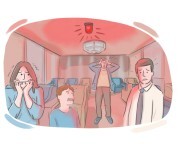
feeling worried or concerned due to a sudden, unexpected event or potential danger
allarmato
È diventato allarmato quando ha ricevuto uno strano messaggio sul suo telefono.
a feeling of great wonder, often due to something extraordinary
meraviglia
La performance da record dell'atleta ha lasciato il pubblico in completo stupore.
a feeling of nervousness or worry about a future event or uncertain outcome
ansia
(of a person) feeling worried because of thinking something unpleasant might happen
ansioso
Era ansioso di viaggiare da solo per la prima volta, preoccupandosi di navigare in luoghi sconosciuti.

feeling embarrassed or sorry about one's actions, characteristics, or circumstances
vergognoso
Si sentì profondamente in imbarazzo, rendendosi conto di aver ferito i sentimenti della sua amica.

feeling very surprised or impressed, especially because of an unexpected event
meravigliato
Stupita dalla loro generosità, li ringraziò ripetutamente.
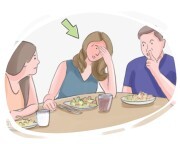
making one feel embarrassed or uncomfortable
imbarazzante
Incontrare la sua ex-fidanzata all'evento ha creato una situazione imbarazzante.

the feeling of being uninterested or restless because things are dull or repetitive
noia
Durante il weekend piovoso, i bambini si sono lamentati della noia perché erano rimasti senza cose da fare.