
Vocabulario para IELTS (Básico) - Sentimientos
Aquí aprenderás algunas palabras en inglés sobre sentimientos, como "nervous", "pleased", "frightened", etc. que se necesitan para el examen IELTS.
Revisión
Tarjetas de memoria
Ortografía
Cuestionario

a discussion, typically a serious one, between two or more people with different views

argumento
Los hermanos tuvieron una discusión tonta sobre quién obtuvo el trozo de pastel más grande.

to express your annoyance, unhappiness, or dissatisfaction about something
quejarse
En lugar de quejarte, intenta encontrar soluciones constructivas a los desafíos que enfrentas.
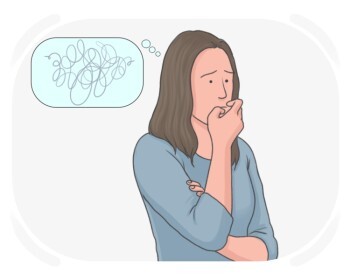
worried and anxious about something or slightly afraid of it
nervioso
No sé por qué siempre me siento tan nervioso antes de un vuelo.

feeling happy and satisfied with something that has happened or with someone's actions
contento, feliz
Estoy contento de que hayas aceptado nuestra invitación.

feeling frightened or anxious
asustado
El cachorro fue asustado por la tormenta y se escondió debajo de la cama.

(psychology) a state of mental or emotional strain or suspense
estrés
El estrés puede perjudicar la toma de decisiones en situaciones de alto riesgo.

feeling or showing shock or amazement
sorprendido
Actuó sorprendido, pero ya sabía del plan.
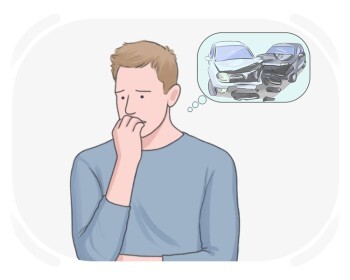
feeling unhappy and afraid because of something that has happened or might happen
preocupado
Ella estaba preocupada por su situación financiera, sintiéndose incómoda por sus deudas crecientes.

feeling or showing great surprise
asombrado
Los rostros asombrados de los niños reflejaban su asombro ante el acto de desaparición del mago.

feeling slightly angry or irritated
enojado
Ella se sintió molesta cuando alguien la interrumpió repetidamente durante la reunión.
not satisfied or happy with something, because it did not meet one's expectations or hopes
decepcionado
La expresión decepcionada en su rostro revelaba su tristeza.

feeling ashamed and uncomfortable because of something that happened or was said
avergonzado
Intentó actuar con calma, pero su sonrisa avergonzada la delató.

feeling extremely tired physically or mentally, often due to a lack of sleep
exhausto, agotado
Se sentía mentalmente agotada después de lidiar con un proyecto desafiante en el trabajo.
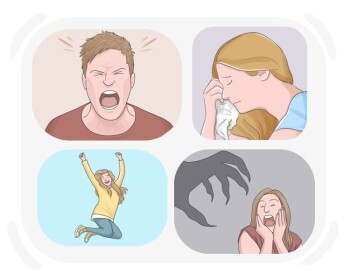
a strong feeling such as love, anger, etc.
emoción
El amor es una emoción compleja que puede traer una inmensa alegría y una profunda tristeza.

a strong feeling of enthusiasm and happiness
excitación
A pesar del clima lluvioso, la emoción de Tom por sus próximas vacaciones en la playa no disminuyó.
feeling afraid, often suddenly, due to danger, threat, or shock
asustado
La expresión asustada en su rostro reveló su miedo a las alturas.

expressing or feeling appreciation for something received or experienced
agradecido
Habló suavemente, agradecida por la amabilidad que le habían mostrado.

(of senses) sharp and highly-developed
fuerte
El detective confió en sus instintos agudos para resolver el caso.

an intense and irrational fear toward a specific thing such as an object, situation, concept, or animal
fobia
El terapeuta trabajó con él para superar su fobia a los espacios cerrados mediante una exposición gradual.

a feeling of great enjoyment and happiness
placer
Él sintió un gran placer al cocinar para su familia.

behaving in an angry way and having a tendency to be violent
agresivo
Se sentía intimidada por su comportamiento agresivo durante las discusiones.
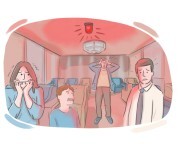
feeling worried or concerned due to a sudden, unexpected event or potential danger
sobresaltado, asustado
La expresión alarmada en su rostro revelaba su preocupación.
a feeling of great wonder, often due to something extraordinary
asombro, sorpresa
Los resultados de investigación innovadores de la científica fueron recibidos con asombro por sus colegas.
a feeling of nervousness or worry about a future event or uncertain outcome
ansiedad, preocupación
Hablar con un terapeuta la ayudó a comprender y afrontar su ansiedad social.
(of a person) feeling worried because of thinking something unpleasant might happen
ansioso
Estaban ansiosos por su situación financiera, inseguros sobre cómo pagarían sus facturas.

feeling embarrassed or sorry about one's actions, characteristics, or circumstances
avergonzado, apenado
Se sintieron avergonzados de su ignorancia, dándose cuenta de que habían herido involuntariamente los sentimientos de alguien.

feeling very surprised or impressed, especially because of an unexpected event
asombrado
Su expresión asombrada mostraba que no podía creer lo que estaba oyendo.

making one feel embarrassed or uncomfortable
incómodo, embarazoso
Su intento torpe de bailar hizo reír a todos.

the feeling of being uninterested or restless because things are dull or repetitive
aburrimiento
La larga conferencia lo llenó de aburrimiento, y luchó por mantenerse despierto.

unusual or strange in a way that is unexpected
curioso
Encontró un objeto curioso arrastrado hasta la playa, diferente a todo lo que había visto antes.

great anger that is hard to contain
ira, furia
El trato injusto avivó su ira contra el sistema.
