pattern

IELTS Generalの語彙 (スコア5) - 独自性

ここでは、ジェネラルトレーニングIELTS試験に必要な独自性に関連するいくつかの英単語を学びます。

レビュー

フラッシュカード

綴り

クイズ

学習を開始
Vocabulary for General Training IELTS (5)
odd
odd
[形容詞]

unusual in a way that stands out as different from the expected or typical

奇妙な, 風変わりな

奇妙な, 風変わりな

Ex: The odd behavior of the stranger, who kept muttering to himself, made the other passengers uneasy. 

自分につぶやき続けていた見知らぬ人の奇妙な行動は、他の乗客を不安にさせた。

strange
strange
[形容詞]

having unusual, unexpected, or confusing qualities

奇妙な, 変な

奇妙な, 変な

Ex: It's strange to see the streets so empty during a busy time of day. 
weird
weird
[形容詞]

strange in a way that is difficult to understand

奇妙な, 変な

奇妙な, 変な

Ex: He's a good friend, but he has some weird tastes in music. 

彼は良い友達ですが、音楽の趣味が少し変です。

unusual
unusual
[形容詞]

not commonly happening or done

珍しい, 普通でない

珍しい, 普通でない

Ex: The house had an unusual design, unlike any others on the street. 

その家は、通りにある他のどの家とも違う珍しいデザインをしていた。

different
different
[形容詞]

not like another thing or person in form, quality, nature, etc.

異なる

異なる

Ex: He had a different perspective on the movie. 
unnatural
unnatural
[形容詞]

contrary to what is accepted as normal

不自然な, 自然に反する

不自然な, 自然に反する

Ex: Using chemicals to grow giant vegetables is unnatural. 

巨大な野菜を育てるために化学物質を使用することは不自然です。

unfamiliar
unfamiliar
[形容詞]

not explored or known about

未知の, 不慣れな

未知の, 不慣れな

Ex: The unfamiliar language spoken by the locals made it difficult for her to communicate. 

地元の人々が話す見知らぬ言語は、彼女がコミュニケーションを取るのを難しくしました。

singular
singular
[形容詞]

referring to a single item or entity

単一の, 唯一の

単一の, 唯一の

Ex: As the singular heir to the estate, he inherited everything. 

財産の唯一の相続人として、彼はすべてを相続した。

only
only
[形容詞]

without another thing or person existing in the same category

唯一の, 一人きりの

唯一の, 一人きりの

Ex: She was the only child in her family, receiving undivided attention from her parents. 

彼女は家族の中で唯一の子供で、両親の完全な注目を集めていました。

original
original
[形容詞]

existing at the start of a specific period or process

オリジナル, 最初の

オリジナル, 最初の

Ex: The original owner of the house. 
special
special
[形容詞]

different or better than what is normal

特別, 特殊

特別, 特殊

Ex: They decorated the room with balloons to make it look special. 
abnormal
abnormal
[形容詞]

different from what is usual or expected

異常な, 普通でない

異常な, 普通でない

Ex: The test results showed abnormal levels of cholesterol in his blood. 

検査結果は、彼の血液中のコレステロール値が異常であることを示した。

unique
unique
[形容詞]

unlike anything else and distinguished by individuality

ユニーク, 独特

ユニーク, 独特

Ex: Each snowflake is unique with its own pattern. 

それぞれの雪の結晶は、独自のパターンでユニークです。

exceptional
exceptional
[形容詞]

unusually good or much greater than what is normal or expected
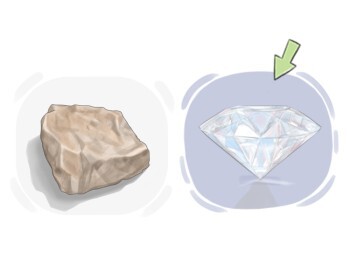
Ex: Emma is an exceptional student with a talent for mathematics. 
uncommon
uncommon
[形容詞]

not happening or found often

珍しい, 稀な

珍しい, 稀な

Ex: Snowfall is uncommon in this region. 

この地域では降雪は珍しいです。

irregular
irregular
[形容詞]

not conforming to established rules, patterns, or norms

不規則な, 異常な

不規則な, 異常な

Ex: Her irregular work schedule made it challenging to maintain a consistent routine. 

彼女の不規則な仕事のスケジュールは、一貫したルーティンを維持することを困難にした。

ordinary
ordinary
[形容詞]

not unusual or different in any way

普通の, 平凡な

普通の, 平凡な

Ex: His taste in clothing was ordinary, preferring simple and casual attire. 
regular
regular
[形容詞]

happening or done frequently

定期的な, 頻繁な

定期的な, 頻繁な

Ex: It's important to have regular check-ups with your doctor to monitor your health. 
standard
standard
[形容詞]

commonly recognized, done, used, etc.

標準, 通常

標準, 通常

Ex: The standard attire for the event is business casual, so please dress accordingly. 
everyday
everyday
[形容詞]

taking place each day

日常的な, 毎日の

日常的な, 毎日の

Ex: Drinking coffee has become an everyday habit for him. 

コーヒーを飲むことは彼にとって毎日の習慣になりました。

usual
usual
[形容詞]

conforming to what is generally anticipated or considered typical

通常の, 普通の

通常の, 普通の

Ex: The usual procedure involves filling out the form first. 

通常の手順では、まずフォームに記入します。

normal
normal
[形容詞]

conforming to a standard or expected condition

普通, 通常

普通, 通常

Ex: It's normal for children to experience some difficulty adjusting to a new school. 
average
average
[形容詞]

having no distinctive charactristics

平均的な, 普通の

平均的な, 普通の

Ex: The restaurant served average food, nothing extraordinary but also nothing terrible. 
familiar
familiar
[形容詞]

easily recognized due to prior contact or involvement, often evoking a sense of comfort or ease

馴染みのある, よく知られている
馴染みのある, よく知られている

Ex: The professor's teaching style was familiar to the students who had taken his class before. 
general
general
[形容詞]

involving or affecting all or most people or things

一般的な, 共通の
一般的な, 共通の

Ex: The general public enjoyed the event. 
common
common
[形容詞]

regular and without any exceptional features

一般的な, 普通の

一般的な, 普通の

Ex: The meeting was filled with common tasks and discussions. 

会議は一般的なタスクと議論でいっぱいでした。

accepted
accepted
[形容詞]

(of ideas, opinions, etc.) considered reasonable or agreed by most people

受け入れられた, 認められた

受け入れられた, 認められた

Ex: The accepted solution to the problem was simple yet effective. 

問題の受け入れられた解決策はシンプルだが効果的だった。

LanGeek
LanGeekアプリをダウンロード