
pattern

主要歌手の語彙 - カート・コバーン

レビュー

フラッシュカード

語形

綴り

クイズ

学習を開始
Key Singers Vocabulary
to shock
to shock
[動詞]

to surprise or upset someone greatly

ショックを与える, 震撼させる
ショックを与える, 震撼させる

Ex: The abrupt ending of the movie shocked the audience , leaving them speechless in the theater .

映画の突然の終わりは観客をショックさせ、劇場で言葉を失わせた。

greatly
greatly
[副詞]

to a great amount or degree

非常に, 大いに

非常に, 大いに

Ex: The changes in policy greatly affected the company 's operations .

政策の変更は会社の運営に大きく影響しました。

to remember
to remember
[動詞]

to keep something in one's mind, particularly an important fact

覚える, 記憶する
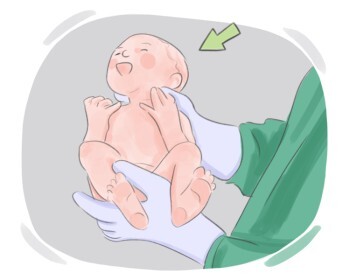
覚える, 記憶する

Ex: Remember, we agreed to meet at 5 p.m. sharp .

覚えておいてください、午後5時きっかりに会うことに同意しました。

born
born
[形容詞]

brought to this world through birth

生まれた, 出生した
生まれた, 出生した

Ex: The newly born foal took its first wobbly steps, eager to explore its surroundings.

生まれたばかりの子馬は、その周囲を探検したくて、最初のよろめく一歩を踏み出した。

main
main
[形容詞]

having the highest level of significance or central importance

主要な, 中心的な
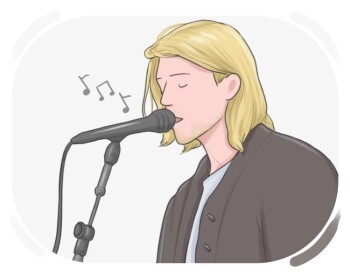
主要な, 中心的な

Ex: The main goal of the marketing campaign is to increase brand awareness and customer engagement .

マーケティングキャンペーンの主な目的は、ブランドの認知度と顧客の関与を高めることです。

singer
singer
[名詞]

someone whose job is to use their voice for creating music

歌手, シンガー
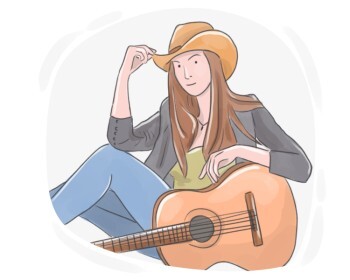
歌手, シンガー

Ex: The singer performed her popular songs at the music festival .

歌手は音楽祭で彼女の人気曲を演奏しました。

guitar player

a musician who plays the guitar

ギタリスト, ギター奏者

ギタリスト, ギター奏者

famous
famous
[形容詞]

known by a lot of people

有名な, 著名な

有名な, 著名な

Ex: She became famous overnight after her viral video gained millions of views .

彼女のバイラルビデオが何百万回も再生された後、彼女は一夜にして有名になった。

to become
to become
[動詞]

to start or grow to be

なる,  になる

なる, になる

Ex: The noise became unbearable during construction .

建設中の騒音は耐え難いものになった

popular
popular
[形容詞]

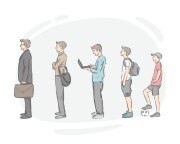
receiving a lot of love and attention from many people

人気のある, 愛されている
人気のある, 愛されている

Ex: His songs are popular because they are easy to dance to .

彼の歌は踊りやすいので人気があります

to grow up
to grow up
[動詞]

to change from being a child into an adult little by little

成長する,  大人になる
成長する, 大人になる

Ex: When I grow up, I want to be a musician.

私が大人になったら、音楽家になりたいです。

parent
parent
[名詞]

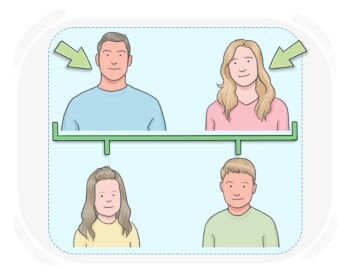
our mother or our father

親, 母または父

親, 母または父

Ex: The parents took turns reading bedtime stories to their children every night .

は毎晩、子供たちに寝る前の物語を読むために交代で行いました。

sister
sister
[名詞]

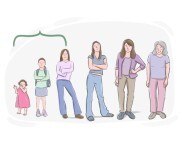
a lady who shares a mother and father with us

姉妹, お姉さん
姉妹, お姉さん

Ex: You should talk to your sister and see if she can help you with your problem .

あなたは姉妹に話をして、彼女があなたの問題を手伝えるかどうか見るべきです。

childhood
childhood
[名詞]

the period or time of being a child, characterized by significant physical and emotional growth

子供時代, 幼少期

子供時代, 幼少期

Ex: Emily 's love for reading began in her childhood, when she would lose herself in books for hours on end .

エミリーの読書への愛は、彼女が何時間も本に没頭していた子供時代に始まりました。

to separate
to separate
[動詞]

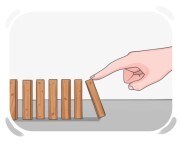
to end the relationship or live apart from a partner

別れる,  離婚する
別れる, 離婚する

Ex: Some couples choose to separate temporarily to reassess their relationship .

いくつかのカップルは、彼らの関係を見直すために一時的に別れることを選びます。

to affect
to affect
[動詞]

to cause a change in a person, thing, etc.

影響を与える, 変化させる
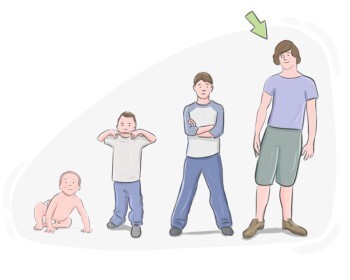
影響を与える, 変化させる

Ex: Positive feedback can significantly affect an individual 's confidence and motivation .

ポジティブなフィードバックは、個人の自信やモチベーションに大きく影響を与える可能性があります。

teenager
teenager
[名詞]

a person aged between 13 and 19 years

十代, ティーンエイジャー

十代, ティーンエイジャー

Ex: Many teenagers use social media to stay connected with peers .

多くの十代の若者が、仲間とつながるためにソーシャルメディアを利用しています。

to make
to make
[動詞]

to cause someone or something to display or possess a specific quality, emotion, or state

作る, させる

作る, させる

Ex: The teacher encouraged students to make their questions clear to ensure a better understanding of the lesson .

教師は、レッスンの理解を深めるために、生徒が質問を明確にすることを奨励しました。

to teach
to teach
[動詞]

to assist or enable someone to acquire some knowledge, skills, or abilities

教える, 指導する
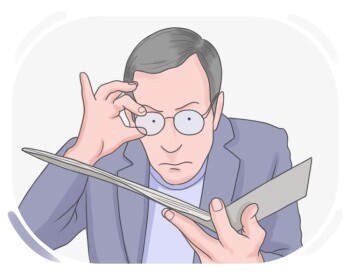
教える, 指導する

Ex: Out parents teach us new things every day .

私たちの親は毎日新しいことを教えてくれます。

interested
interested
[形容詞]

having a feeling of curiosity or attention toward a particular thing or person because one likes them

興味がある, 好奇心旺盛な
興味がある, 好奇心旺盛な

Ex: The children were very interested in the magician 's tricks .

子供たちは魔法使いの手品に非常に興味を持っていました

to start
to start
[動詞]

to begin something new and continue doing it, feeling it, etc.

始める, 開始する

始める, 開始する

Ex: The restaurant started offering a new menu item that became popular .

レストランは人気になった新しいメニュー項目を提供し始めました。

different
different
[形容詞]

not like another thing or person in form, quality, nature, etc.

異なる
異なる

Ex: The book had a different ending than she expected .

その本は彼女が予想していたものとは異なる結末を迎えた。

kind
kind
[名詞]

a group of people or things that have similar characteristics or share particular qualities

種類, カテゴリー

種類, カテゴリー

Ex: The store sells products of various kinds, from electronics to clothing .

その店は、電子機器から衣類まで、様々な種類の製品を販売しています。

music
music
[名詞]

a series of sounds made by instruments or voices, arranged in a way that is pleasant to listen to

音楽
音楽

Ex: Her favorite genre of music is jazz .

彼女の好きな音楽のジャンルはジャズです。

second
second
[形容詞]

being number two in order or time

二番目の, 二次的な

二番目の, 二次的な

Ex: He was second in line after Mary .

彼はメアリーの後で二番目でした。

successful
successful
[形容詞]

getting the results you hoped for or wanted

成功した, うまくいった

成功した, うまくいった

Ex: She is a successful author with many best-selling books .

彼女は多くのベストセラーを持つ成功した著者です。

addiction
addiction
[名詞]

the inability to stop using or doing something, particularly something harmful or unhealthy

中毒, 依存症

中毒, 依存症

Ex: Overcoming addiction requires commitment , perseverance , and ongoing support from healthcare professionals , friends , and family members .

中毒を克服するには、医療専門家、友人、家族からの継続的なサポート、献身、忍耐が必要です。

pressure
pressure
[名詞]

the use of influence or demands to persuade or force someone to do something

圧力, 強制
圧力, 強制

Ex: The council eventually gave in to public pressure and revised the plan .

評議会は最終的に世論の圧力に屈し、計画を修正した。

depressed
depressed
[形容詞]

feeling very unhappy and having no hope

落ち込んだ, 憂鬱な
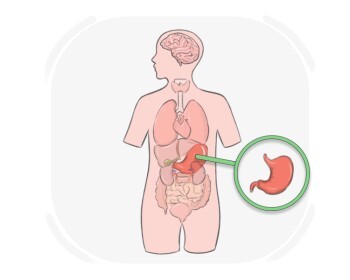
落ち込んだ, 憂鬱な

Ex: He became depressed during the long , dark winter .

彼は長く暗い冬の間に落ち込んだ

stomach
stomach
[名詞]

the body part inside our body where the food that we eat goes

胃, お腹
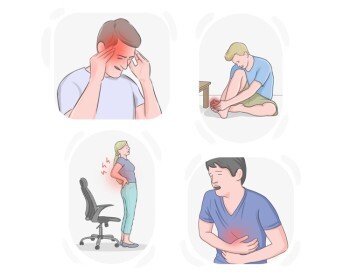
胃, お腹

Ex: She felt a wave of nausea in her stomach during the car ride .

車の運転中、彼女はに吐き気の波を感じた。

pain
pain
[名詞]

the unpleasant feeling caused by an illness or injury

痛み

痛み

Ex: The pain from his sunburn made it hard to sleep .

日焼けによる痛みで眠るのが難しかった。

to use
to use
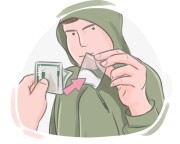
[動詞]

to consume illegal drugs, especially on a habitual basis

使用する, 摂取する
使用する, 摂取する

Ex: They 've been using since they were young adults .

彼らは若い成人の頃から使用しています。

drug
drug
[名詞]

any illegal substance that people take in order to experience its mental or physical effects

薬物, 麻薬
薬物, 麻薬

Ex: The use of drugs can lead to devastating consequences , including overdose , incarceration , and fractured relationships .

薬物の使用は、過剰摂取、投獄、そして関係の崩壊を含む壊滅的な結果を招く可能性があります。

often
often
[副詞]

on many occasions

しばしば, 頻繁に

しばしば, 頻繁に

Ex: He often attends cultural events in the city .

彼は街の文化イベントによく参加します。

connection
connection
[名詞]

a relation by which things or people are associated or linked

接続, 関係
接続, 関係

Ex: There 's a direct connection between regular exercise and improved mental health .

定期的な運動と精神的な健康の改善との間には直接的なつながりがあります。

sadly
sadly
[副詞]

in a sorrowful or regretful manner

悲しそうに, 悲しみを込めて

悲しそうに, 悲しみを込めて

Ex: He looked at me sadly and then walked away .

彼は私を悲しそうに見て、それから去っていった。

to end
to end
[動詞]

to cause someone to no longer be alive

終わらせる, 終える

終わらせる, 終える

Ex: The disease ended his life tragically .

その病気は彼の人生を悲劇的に終わらせた

LanGeek
LanGeekアプリをダウンロード