초보자 1 - 부정적인 형용사

여기에서는 "지루한", "위험한", "거짓"과 같은 몇 가지 부정적인 영어 형용사를 초급 수준의 학생들을 위해 준비했습니다.

review-disable

리뷰

flashcard-disable

플래시카드

spelling-disable

철자법

quiz-disable

퀴즈

학습 시작
초보자 1
bad [형용사]
اجرا کردن

나쁜

Ex: He apologized for the bad joke he made earlier .

그는 이전에 했던 나쁜 농담에 대해 사과했다.

boring [형용사]
اجرا کردن

지루한

Ex: The lecture was so boring that several students left early .

강의가 너무 지루해서 몇 명의 학생이 일찍 떠났다.

busy [형용사]
اجرا کردن

바쁜

Ex: In the bustling city , people are constantly busy with work , errands , and social commitments .

붐비는 도시에서 사람들은 끊임없이 일, 심부름, 사회적 약속으로 바쁘다.
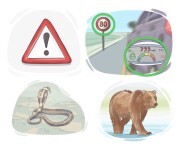
dangerous [형용사]
اجرا کردن

위험한

Ex: She 's allergic to bees ; a sting can be dangerous for her .

그녀는 벌에 알레르기가 있습니다; 쏘이지 않으면 그녀에게 위험할 수 있습니다.

hard [형용사]
اجرا کردن

어려운

Ex: Mastering a new language can be hard , especially if it has a complex grammar and vocabulary .

새로운 언어를 습득하는 것은 어려울 수 있습니다, 특히 복잡한 문법과 어휘를 가지고 있다면.
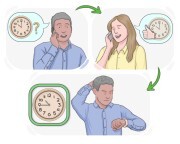
late [형용사]
اجرا کردن

늦은

Ex: The late delivery of the package inconvenienced the recipient .

소포의 늦은 배송은 수령인에게 불편을 끼쳤다.

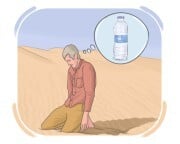
thirsty [형용사]
اجرا کردن

목마른,갈증을 느끼는

Ex: The soccer players felt thirsty after the intense match and drank from their water bottles .

축구 선수들은 치열한 경기 후 목이 마른 느낌을 받아 물병에서 물을 마셨다.
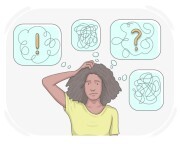
stupid [형용사]
اجرا کردن

바보 같은,멍청한

Ex: I do n't want to sound stupid , but can you explain that again ?
wrong [형용사]
اجرا کردن

틀린

Ex: She used the wrong ingredients in the recipe , resulting in a disappointing dish .

그녀는 레시피에 잘못된 재료를 사용해 실망스러운 요리를 만들었다.

poor [형용사]
اجرا کردن

가난한

Ex: The poor family lived in a small , rundown house .

가난한 가족은 작고 낡은 집에서 살았습니다.

false [형용사]
اجرا کردن

거짓된

Ex: He shared false information without verifying its accuracy .

그는 정확성을 확인하지 않고 거짓 정보를 공유했습니다.

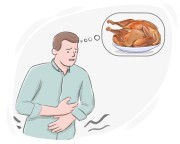
hungry [형용사]
اجرا کردن

배고픈,배고픔

Ex: She felt hungry and decided to make a sandwich .

그녀는 배고프다고 느끼고 샌드위치를 만들기로 결정했다.