初心者 1 - 否定的な形容詞

ここでは、"退屈"、"危険"、"偽"などの否定的な英語の形容詞を、初心者レベルの学生向けに準備しました。

review-disable

レビュー

flashcard-disable

フラッシュカード

spelling-disable

綴り

quiz-disable

クイズ

学習を開始
初心者 1
bad [形容詞]
اجرا کردن

悪い

Ex: The movie was bad and not enjoyable to watch .

その映画はひどく、見ていて楽しくありませんでした。

boring [形容詞]
اجرا کردن

退屈な

Ex: She finds doing the laundry a boring task .

彼女は洗濯をすることを退屈な作業だと思っている。

busy [形容詞]
اجرا کردن

忙しい

Ex: As a student , Jenny is always busy with assignments , exams , and extracurricular activities .

学生として、ジェニーはいつも課題、試験、課外活動で忙しい

dangerous [形容詞]
اجرا کردن

危険な

Ex: Crossing the road without looking is dangerous .

見ずに道路を横断するのは危険です。

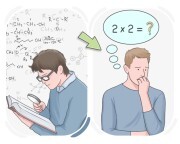
hard [形容詞]
اجرا کردن

難しい

Ex: Learning to play the piano at a professional level is hard and requires years of practice .

プロのレベルでピアノを弾くことを学ぶのは難しいことであり、何年もの練習が必要です。
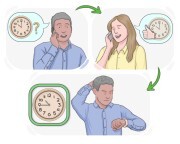
late [形容詞]
اجرا کردن

遅れた

Ex: I 'm late for the meeting .

会議に遅れています。

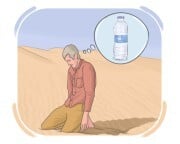
thirsty [形容詞]
اجرا کردن

喉が渇いた,渇きを感じる

Ex: After eating spicy food , he became very thirsty and drank a glass of water .

辛いものを食べた後、彼はとても喉が渇いたので、水を一杯飲んだ。

stupid [形容詞]
اجرا کردن

愚かな,ばかな

Ex: Do n't be stupid , the answer is right in front of you .
wrong [形容詞]
اجرا کردن

間違った

Ex: He followed the wrong directions and got lost .

彼は間違った方向に従って道に迷った。

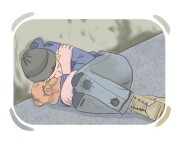
poor [形容詞]
اجرا کردن

貧しい

Ex: He wanted to help the poor family who were struggling to afford basic necessities like food and clothing .

彼は、食料や衣服のような基本的な必需品を買うのに苦労していた貧しい家族を助けたかった。
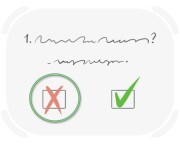
false [形容詞]
اجرا کردن

偽の

Ex: He made a false claim about his achievements to impress others .

彼は他の人に感銘を与えるために自分の業績について虚偽の主張をした。

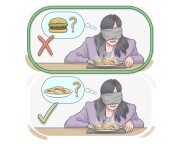
hungry [形容詞]
اجرا کردن

空腹,飢え

Ex: After playing outside all day , the children were hungry for dinner .

一日中外で遊んだ後、子供たちは夕食にお腹が空いていた。