

pattern

Kluczowe słownictwo pracy - David w Pracy

Przegląd

Fiszki

formy

Pisownia

Test

Zacznij naukę
Key Work Vocabulary
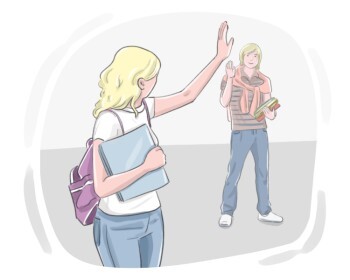
goodbye
goodbye
[wykrzyknik]

a word we say when we leave or end a phone call

Do widzenia, Żegnaj
Do widzenia, Żegnaj

Ex: Goodbye, I hope to see you again. 
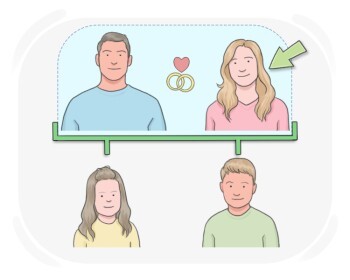
wife
wife
[Rzeczownik]

the lady you are officially married to

żona, małżonka
żona, małżonka

Ex: As a devoted wife, she takes care of the household chores and ensures a comfortable home for her family. 
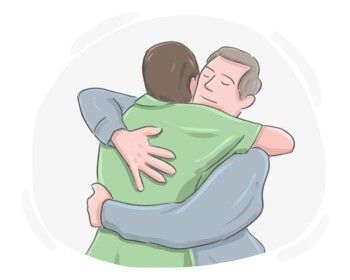
to hug
to hug
[Czasownik]

to tightly and closely hold someone in one's arms, typically a person one loves

przytulać, ściskać
przytulać, ściskać

Ex: She rushed to hug her friend upon seeing her after a long time. 
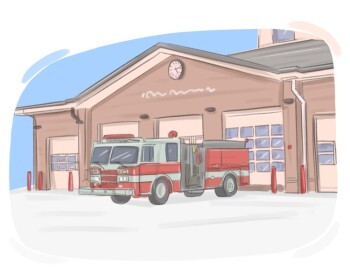
fire station
fire station
[Rzeczownik]

a building where firefighters stay and have the tools they need to help with fires and other emergencies

remiza strażacka
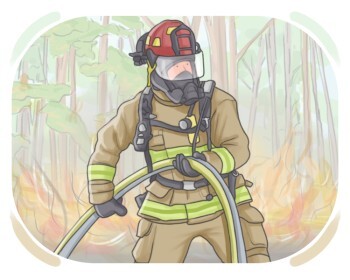
remiza strażacka

Ex: The fire station dispatched several units to extinguish the blaze at the downtown apartment building. 
firefighter
firefighter
[Rzeczownik]

someone whose job is to put out fires and save people or animals from dangerous situations

strażak, ratownik

strażak, ratownik

Ex: The firefighter bravely entered the burning building to rescue trapped occupants. 
to get
to get
[Czasownik]

to reach a specific place

dotrzeć, osiągnąć

dotrzeć, osiągnąć

Ex: We'll need to get to the airport early to catch our flight. 
station
station
[Rzeczownik]

a facility designed for a specific function, equipped with relevant equipment and staffed as necessary

stacja, posterunek
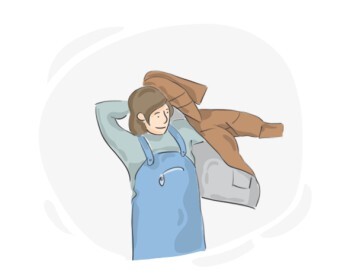
stacja, posterunek

Ex: The fire station responded quickly to the emergency. 
to put on
to put on
[Czasownik]

to place or wear something on the body, including clothes, accessories, etc.

zakładać, nosić
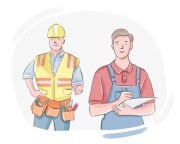
zakładać, nosić

Ex: I always put on my helmet before riding my bike. 
work clothes
work clothes
[Rzeczownik]

clothing specifically designed to be worn while performing manual labor or other physical work

odzież robocza, ubranie robocze
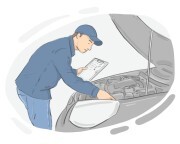
odzież robocza, ubranie robocze

to check
to check
[Czasownik]

to carefully examine something to find problems, mistakes, or make sure that it is satisfactory

sprawdzać,  kontrolować
sprawdzać, kontrolować

Ex: Before submitting your essay, make sure to check it for spelling and grammar mistakes. 
helmet
helmet
[Rzeczownik]

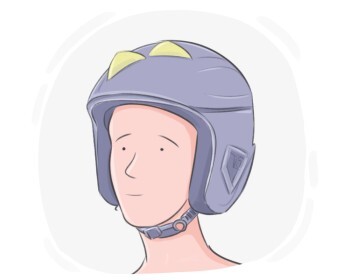
a hard hat worn by soldiers, bikers, etc. for protection

kask, hełm
kask, hełm

Ex: The construction worker wore a bright yellow safety helmet before entering the site. 
boot
boot
[Rzeczownik]

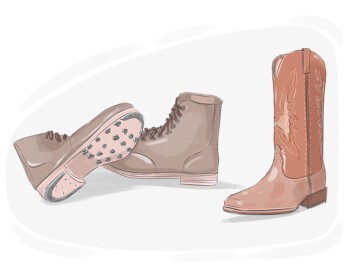
a type of strong shoe that covers the foot and ankle and often the lower part of the leg

but
but

Ex: I love the sound of my boots clicking on the wooden floor. 
glove
glove
[Rzeczownik]

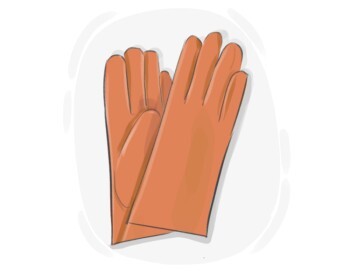
item of clothing for our hands with a separate space for each finger

rękawiczka, rękawica
rękawiczka, rękawica

Ex: She pulled on her gloves before stepping out into the cold winter morning. 
truck
truck
[Rzeczownik]

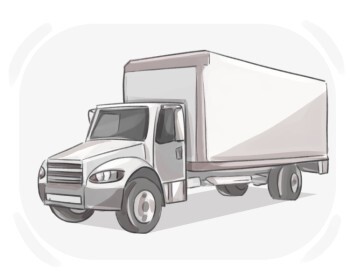
a large road vehicle used for carrying goods

ciężarówka, samochód ciężarowy

ciężarówka, samochód ciężarowy

Ex: The truck carried a load of construction materials to the building site. 
to [make] sure

to take steps to confirm if something is correct, safe, or properly arranged
Ex: Before leaving the house, make sure you turn off all the lights and lock the doors. 
tool
tool
[Rzeczownik]

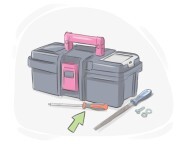
something such as a hammer, saw, etc. that is held in the hand and used for a specific job

narzędzie
narzędzie

Ex: The carpenter used a hammer as his primary tool for driving nails. 
ready
ready
[przymiotnik]

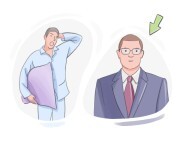
physically prepared with everything we might need for a particular task or situation

gotowy,przygotowany, prepared to do something
gotowy,przygotowany, prepared to do something

Ex: She had her backpack packed and was ready for the hiking trip. 
to practice
to practice
[Czasownik]

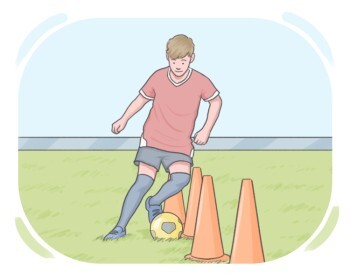
to do or play something many times to become good at it

ćwiczyć, trenować
ćwiczyć, trenować

Ex: Musicians regularly practice their instruments to improve their skills. 
together
together
[przysłówek]

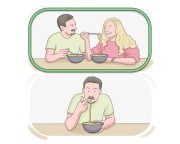
in the company of or in proximity to another person or people

razem, z

razem, z

Ex: We walked together through the quiet streets. 
to climb
to climb
[Czasownik]

to move upward on something, often using feet and hands for support

wspinać się, wchodzić
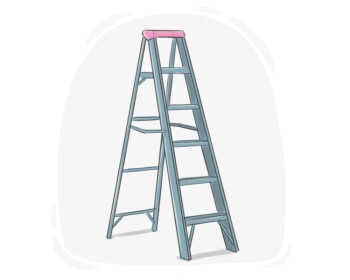
wspinać się, wchodzić

Ex: They climbed the ropes during the outdoor adventure. 
ladder
ladder
[Rzeczownik]

a piece of equipment with a set of steps that are connected to two long bars, used for climbing up and down a height

drabina, drabinka

drabina, drabinka

Ex: The ladder was too short to reach the attic, so they had to find a longer one. 
alarm
alarm
[Rzeczownik]

a warning device, that gives a signal about a problem or condition

alarm, ostrzeżenie
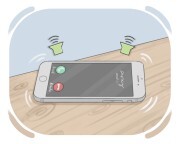
alarm, ostrzeżenie

Ex: The fire alarm sounded, prompting everyone to evacuate the building. 
to ring
to ring
[Czasownik]

to produce a clear and distinct sound that can be heard at a distance

dzwonić, brzmieć
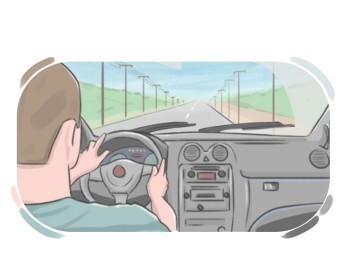
dzwonić, brzmieć

Ex: The church bell rang loudly, its sound echoing across the town. 
to drive
to drive
[Czasownik]

to control the movement and the speed of a car, bus, truck, etc. when it is moving

prowadzić
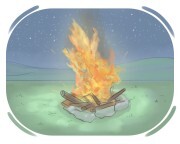
prowadzić

Ex: You should drive with both hands on the steering wheel. 
fire
fire
[Rzeczownik]

the result of something burning that often produces heat, flame, light, and smoke

ogień, płomień
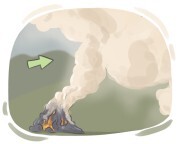
ogień, płomień

Ex: Can you please add some logs to the fire to keep it burning? 
smoke
smoke
[Rzeczownik]

a cloud of chemicals produced by burning something

dym, para
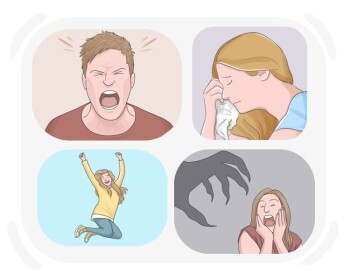
dym, para

Ex: Smoke rose from the chimney as the fire burned inside. 
to go up
to go up
[Czasownik]

go upward with gradual or continuous progress

iść w górę, wznosić się

iść w górę, wznosić się

to get
to get
[Czasownik]

to experience a specific condition, state, or action

dostać, stać się

dostać, stać się

Ex: She got ready for the interview by researching the company. 
gone
gone
[przymiotnik]

no longer present or available

odszedł, zniknął
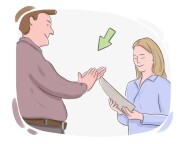
odszedł, zniknął

Ex: The gone days of summer left us reminiscing. 
to clap
to clap
[Czasownik]

to strike the palms of one's hands together forcefully, usually to show appreciation or to attract attention

klaskać, uderzać dłońmi
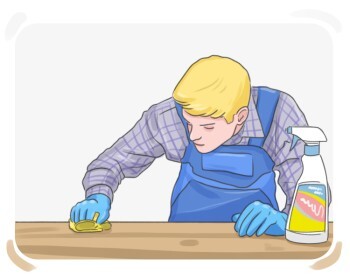
klaskać, uderzać dłońmi

Ex: The audience clapped enthusiastically after the concert. 
to clean
to clean
[Czasownik]

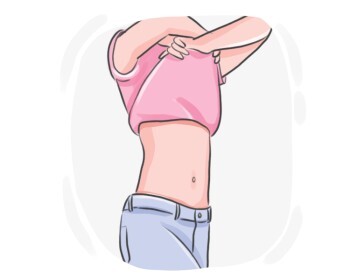
to make something have no bacteria, marks, or dirt

czyścić, myć
czyścić, myć

Ex: I need to clean my glasses; they are dirty. 
to put away
to put away
[Czasownik]

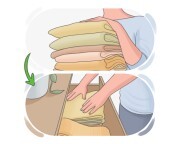
to place something where it should be after using it

sprzątać, odkładać na miejsce
sprzątać, odkładać na miejsce

Ex: The decorations were boxed up and put away for next year. 
tired
tired
[przymiotnik]

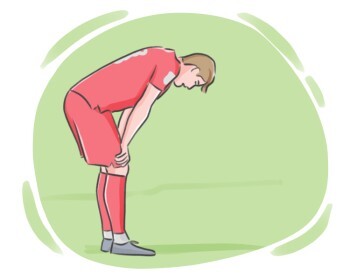
needing to sleep or rest because of not having any more energy

zmęczony,  wyczerpany
zmęczony, wyczerpany

Ex: After a long day at work, he felt extremely tired. 
strong
strong
[przymiotnik]

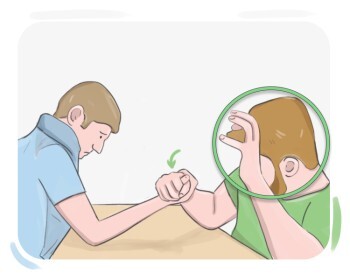
having a lot of physical power

silny, mocny
silny, mocny

Ex: He was able to lift the heavy box because he was so strong. 
to take off
to take off
[Czasownik]

to remove a piece of clothing or accessory from your or another's body

zdejmować, ściągać

zdejmować, ściągać

Ex: After a long day at work, I like to take off my high heels. 
proud
proud
[przymiotnik]

feeling satisfied with someone or one's possessions, achievements, etc.

dumny, pełen dumy

dumny, pełen dumy

Ex: She felt proud of her daughter's academic achievements. 
LanGeek
Pobierz aplikację LanGeek