pattern

Kluczowe słownictwo dotyczące wydarzeń przyrodniczych - Trzęsienie ziemi

Przegląd

Fiszki

formy

Pisownia

Test

Zacznij naukę
Key Vocabulary for Events in Nature
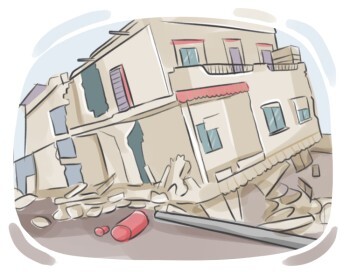
earthquake
earthquake
[Rzeczownik]

the sudden movement and shaking of the earth's surface, usually causing damage

trzęsienie ziemi, wstrząs

trzęsienie ziemi, wstrząs

Ex: The earthquake was followed by several aftershocks. 

Po trzęsieniu ziemi nastąpiło kilka wstrząsów wtórnych.
when
when
[Spójnik]

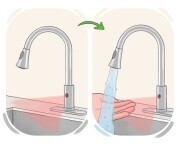
used to indicate that two things happen at the same time or during something else

kiedy,  podczas gdy

kiedy, podczas gdy

Ex: The alarm clock rings when it's time to wake up. 

Budzik dzwoni, kiedy jest czas na wstawanie.
ground
ground
[Rzeczownik]

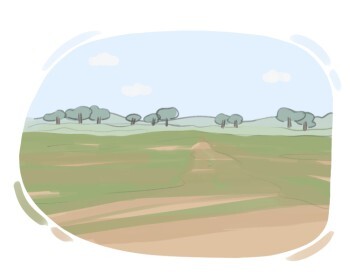
the surface layer of earth that is solid and people walk on

ziemia, grunt

ziemia, grunt

Ex: After the rain, the ground became muddy and slippery. 
to shake
to shake
[Czasownik]

to move from side to side or up and down

trząść, potrząsać
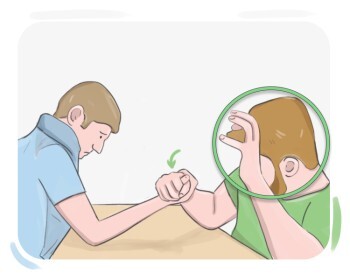
trząść, potrząsać

Ex: The thunderstorm brought heavy rain and strong winds, making the branches of the trees shake violently. 
strong
strong
[przymiotnik]

having a lot of physical power

silny, mocny

silny, mocny

Ex: He was able to lift the heavy box because he was so strong. 
rock
rock
[Rzeczownik]

material composed of aggregates of minerals forming the Earth's crust

skała, kamień

skała, kamień

Ex: Granite is a common type of rock. 
earth
earth
[Rzeczownik]

the solid surface of the planet distinguished from air or sea

ziemia, grunt
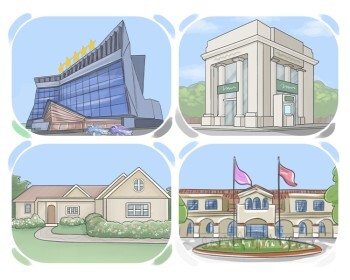
ziemia, grunt

Ex: The meteor fell toward the earth at great speed. 
building
building
[Rzeczownik]

a structure that has walls, a roof, and sometimes many levels, like an apartment, house, school, etc.

budynek, gmach
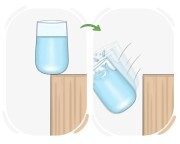
budynek, gmach

Ex: He worked in a modern office building with large windows. 
to fall
to fall
[Czasownik]

to quickly move from a higher place toward the ground

upaść,  spadać
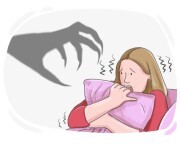
upaść, spadać

Ex: Be careful not to slip and fall on the wet floor. 
scared
scared
[przymiotnik]

feeling frightened or anxious

przestraszony, wystraszony

przestraszony, wystraszony

Ex: She was scared to walk alone in the dark. 

Bała się chodzić sama w ciemności.

animal
animal
[Rzeczownik]

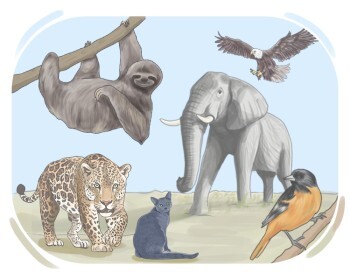
a living thing, like a cat or a dog, that can move and needs food to stay alive, but not a plant or a human

zwierzę, bestia
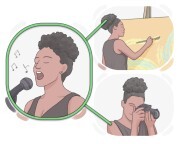
zwierzę, bestia

Ex: Birds are animals that can fly and build nests in trees. 
also
also
[przysłówek]

used to add another item, fact, or action to what has already been mentioned

również,  także

również, także

Ex: I bought the shoes and also picked up a jacket. 

Kupiłem buty i również zabrałem kurtkę.

to notice
to notice
[Czasownik]

to become aware of something through seeing, hearing, or feeling it

zauważyć, dostrzegać
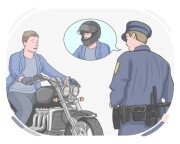
zauważyć, dostrzegać

Ex: She didn't notice the quiet hum of the air conditioner until the power went out. 
must
must
[Czasownik]

used to show that something is very important and needs to happen

musi, powinien
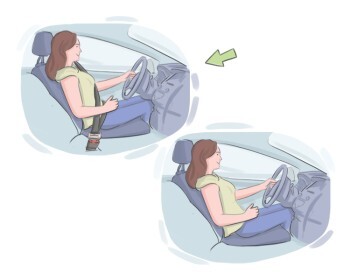
musi, powinien

Ex: Students must submit their applications before the deadline. 
safe
safe
[przymiotnik]

protected from any danger

bezpieczny, chroniony

bezpieczny, chroniony

Ex: The children are quite safe here, playing under the watchful eye of their parents. 
open
open
[przymiotnik]

not enclosed or restricted

otwarty, swobodny
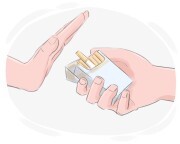
otwarty, swobodny

Ex: The museum's open exhibit allowed visitors to interact directly with the displays. 
to stay away
to stay away
[Czasownik]

to avoid someone or something that might have a negative impact on one

trzymać się z dala od kogoś lub czegoś co może mieć negatywny wpływ, nie zbliżać się i zachowywać dystans

trzymać się z dala od kogoś lub czegoś co może mieć negatywny wpływ, nie zbliżać się i zachowywać dystans

Ex: During flu season, it's advisable to stay away from crowded places to reduce the risk of getting sick. 

W sezonie grypowym zaleca się trzymać z dala od zatłoczonych miejsc, aby zmniejszyć ryzyko zachorowania.
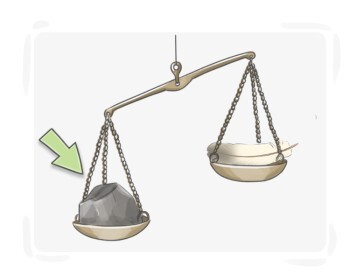
heavy
heavy
[przymiotnik]

having a lot of weight and not easy to move or pick up

ciężki
ciężki

Ex: He felt the weight of the heavy burden on his shoulders. 
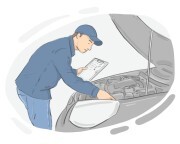
to check
to check
[Czasownik]

to carefully examine something to find problems, mistakes, or make sure that it is satisfactory

sprawdzać,  kontrolować
sprawdzać, kontrolować

Ex: Before using the gas stove, check the connections for any gas leaks. 
everyone
everyone
[Zaimki]

every single person in a group, community, or society, without exception

wszyscy, każdy

wszyscy, każdy

Ex: In our family, everyone has a role to play in preparing for the holiday celebrations. 

W naszej rodzinie każdy ma rolę do odegrania w przygotowaniach do świątecznych uroczystości.

to call
to call
[Czasownik]

to give a name or title to someone or something

nazywać, mianować

nazywać, mianować

Ex: Do you know anyone called Emily? 
aftershock
aftershock
[Rzeczownik]

a smaller earthquake or tremor that follows the main shock of a seismic event

wstrząs wtórny, aftershock

wstrząs wtórny, aftershock

Ex: Seismologists closely monitored the region for aftershocks, providing valuable data for risk assessment. 

Sejsmolodzy uważnie monitorowali region pod kątem wstrząsów wtórnych, dostarczając cennych danych do oceny ryzyka.
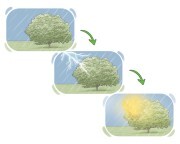
to happen
to happen
[Czasownik]

to come into existence by chance or as a consequence

zdarzyć się, wydarzyć się

zdarzyć się, wydarzyć się

Ex: Traffic jams happen every morning on the way to work. 
nature
nature
[Rzeczownik]

everything that exists or happens on the earth, excluding things that humans make or control

natura, środowisko naturalne

natura, środowisko naturalne

Ex: Can you hear the sound of nature? 
world
world
[Rzeczownik]

the planet earth, where we all live

świat, ziemia
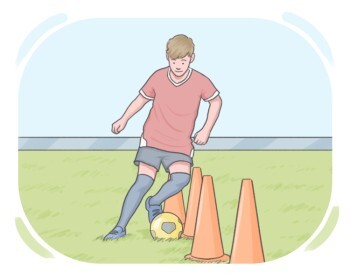
świat, ziemia

Ex: His dream is to sail around the world. 
to practice
to practice
[Czasownik]

to do or play something many times to become good at it

ćwiczyć, trenować

ćwiczyć, trenować

Ex: Musicians regularly practice their instruments to improve their skills. 
even though
even though
[Spójnik]

used to indicate that despite a certain fact or situation mentioned in the first clause, the second clause follows

chociaż, mimo że

chociaż, mimo że

Ex: Even though he was tired, he stayed up late to finish the project. 

Chociaż był zmęczony, został do późna, aby dokończyć projekt.
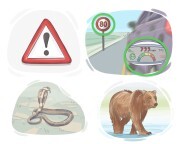
dangerous
dangerous
[przymiotnik]

capable of destroying or causing harm to a person or thing

niebezpieczny

niebezpieczny

Ex: The coast guard warned us against swimming during a storm because it's very dangerous. 

Straż przybrzeżna ostrzegła nas przed pływaniem podczas burzy, ponieważ jest to bardzo niebezpieczne.
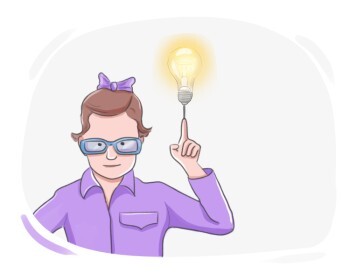
to know
to know
[Czasownik]

to have some information about something

wiedzieć, znać
wiedzieć, znać

Ex: Do you know where the nearest gas station is? 
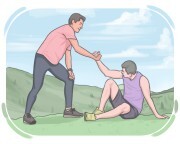
to help
to help
[Czasownik]

to give someone what they need

pomagać, wspierać
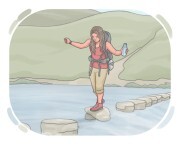
pomagać, wspierać

Ex: She helped him carry the boxes upstairs. 
carefully
carefully
[przysłówek]

cautiously and attentively, so as to avoid harm, danger, or mistakes

ostrożnie, starannie

ostrożnie, starannie

Ex: He carefully phrased his criticism to avoid offense. 

Starannie sformułował swoją krytykę, aby uniknąć obrazy.

Kluczowe słownictwo dotyczące wydarzeń przyrodniczych
Trzęsienie ziemiWulkanMgłaDeszcz
RosaPowódź
LanGeek
Pobierz aplikację LanGeek