
Air and Maritime Transport - Żeglarstwo
Learn vocabulary related to sailing, ports, tides, navigation, maritime movements, and conditions at sea.
Przegląd
Fiszki
formy
Pisownia
Test


a trip or journey from one place to another by going over a large area of water like an ocean or a sea

przeprawa, podróż morska
Zarezerwował kabinę na nocny przeprawę.
a document issued by a carrier to a shipper, confirming receipt of goods and outlining the terms of transport
an official list of goods, cargo, or passengers carried on a ship, airplane, or other vehicle, used for customs, shipping, or transport purposes
manifest, lista ładunkowa
Kapitan podpisał manifest przed opuszczeniem portu.
a place of shelter for ships
port
Port był bezpieczną przystanią dla statków podczas burzowej pogody.
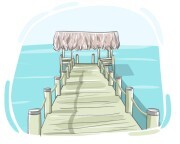
a long platform built from the shore into the sea that people can go for entertainment or a walk
molo, pomost
Dzieci śmiały się i bawiły nad wodą, skacząc po kamieniach i szukając muszli wzdłuż mola.
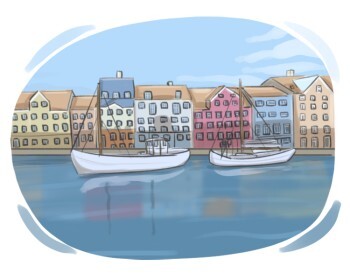
a sheltered area of water along the coast where ships, boats, and other vessels can anchor safely, typically protected from rough seas by natural or artificial barriers
port, przystań
Statki zacumowały w porcie, aby uniknąć nadciągającej z otwartego morza burzy.
a structure built along the water's edge; often with a platform for ships to load and unload goods
nabrzeże, przystań
Skrzynie z owocami były ułożone na molo, gotowe do eksportu.
the highest point of the ocean's water level caused by the gravitational pull of the moon and sun
wysoki przypływ, przypływ pełny
Ptaki brzegowe siadały na palach podczas przypływu, szukając schronienia, aż wody opadły.
a floating object anchored in a body of water, typically used for navigation, marking hazards, or for indicating the location of something such as a submarine cable
boja, pławik
Na plaży boja wskazywała granicę strefy kąpielowej.
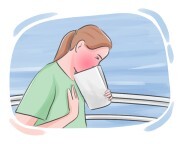
feeling sick or nauseous due to the motion of the ship or boat one is traveling with
choroba morska, mdłości od ruchu łodzi
Musiała się położyć, aby złagodzić objawy choroby morskiej.
a platform used for loading and unloading passengers or cargo from a vessel

a large structure, such as a tower, placed near the coast and equipped with a powerful light that guides or warns the approaching ships
latarnia morska, wieża sygnałowa
Latarnia morska stała jako symbol odporności, przetrwawszy niezliczone burze i wieki historii morskiej.
a unit of distance used in maritime and air navigation, equal to 1,852 metres
to secure a boat by means of cables or anchors in a particular place
cumować, kotwiczyć
Starannie przycumował żaglówkę do boi, sprawdzając, czy węzły są ciasne i bezpieczne.
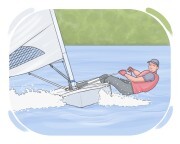
to travel on water using the power of wind or an engine
żeglować, płynąć
Zabytkowy wysoki statek, w pełni odrestaurowany, dumnie żeglował do portu, oddając istotę historii morskiej.
to release the mooring lines of a boat so that it may depart
moving or located closer to the land from the sea
blisko brzegu, w stronę lądu
Statek powrócił blisko brzegu po długiej podróży.
situated or occurring in the sea, typically away from the shore or coast
na morzu, oddalony od brzegu
Ona lubi nurkować na rafach oddalonych od brzegu, aby odkrywać życie morskie.
(of boats or ships) floating without being anchored or controlled by anyone
dryfujący, bez kontroli
stuck on the bottom in shallow water, unable to move
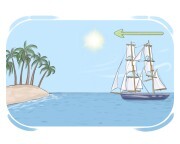
toward the land from the direction of a ship or the sea
na brzeg, w stronę lądu
Turyści przeszli na brzeg z zakotwiczonego promu.
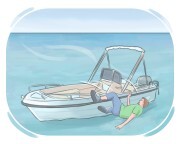
over the edge or side of a boat or ship and into the water
za burtę, do wody
Pasażer stracił równowagę i przewrócił się za burtę, powodując zamieszanie.
carried or transported by sea
to go under water, usually describing ships, boats, or heavy objects
tonąć, iść na dno
Bez napraw statek mógłby zatonąć w każdej chwili.

(of a vessel) to come into contact with the seabed, usually in shallow water
osiąść na mieliźnie, wyrzucić na brzeg
Aby zapobiec osadzeniu na mieliźnie w wąskim kanale, pilot ostrożnie poprowadził statek przez trudny przejście.
to undergo a forward and backward motion, causing the front of a moving ship, aircraft, or vehicle to move up and down
kołysać się, pikować
Statek kołysał się na wysokiej fali, powodując przemieszczenie ładunku i zmuszając załogę do zabezpieczenia luźnych przedmiotów.
to set a boat, ship, or similar vessel in motion by pushing it or letting it move into the water
wypuszczać, wodować
Wypuścił łódź ratunkową, aby uratować żeglarzy.
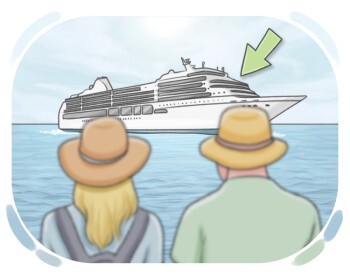
to go on vacation by a ship or boat
rejs, żeglować
Wybrali się w rejs luksusowym statkiem z wieloma atrakcjami.
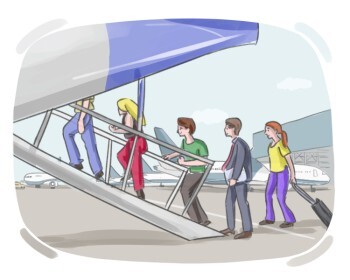
to board a plane or ship
wsiadać, wchodzić na pokład
Biuro podróży zapewni wszystkie niezbędne dokumenty wymagane do wejścia na pokład międzynarodowego lotu.
(off passengers) to get off a plane, train, or ship once it has reached its destination
wysiadać, opuszczać pokład
a structure built out into the water so that people can get on and off boats or ships
dok, nabrzeże
Turyści zgromadzili się na doku, aby wsiąść na statek wycieczkowy.
the gradual deviation from an intended course caused by external forces such as wind or current
to make a vessel float again after it has been grounded or sunk
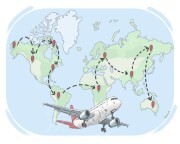
to travel all the way around something, especially the globe, by sea, air, or land
opłynąć dookoła, przepłynąć wokół
Statek z powodzeniem opłynął zdradliwe wody.
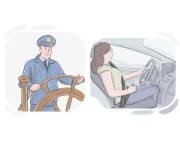
to control the direction of a moving object, such as a car, ship, etc.
sterować, kierować
Młody kierowca nauczył się sterować samochodem płynnie.
