pattern

1000 Most Common English Words - Most Common English Words 1–50

Learn the first 50 words from the 1000 Most Common English Words and build a strong base for everyday English.

Przegląd

Fiszki

formy

Pisownia

Test

Zacznij naukę
1000 Most Common English Words
to be
to be
[Czasownik]

used when naming, or giving description or information about people, things, or situations

być, znajdować się
być, znajdować się

Ex: Today is her birthday. 
to have
to have
[Czasownik]

to hold or own something

mieć, posiadać
mieć, posiadać

Ex: I have a collection of antique coins that I inherited from my grandfather. 
it
it
[Zaimki]

(subjective third-person singular pronoun) used when referring to something or an animal as the subject of a sentence

ono, to

ono, to

Ex: It is raining heavily outside. 
he
he
[Zaimki]

(subjective third-person singular pronoun) used when referring to a male human or animal that was already mentioned or one that is easy to identify

on

on

Ex: He is going to the store to buy groceries. 
I
I
[Zaimki]

(subjective first-person singular pronoun) used by the speaker to refer to themselves when they are the subject of the sentence

ja

ja

Ex: I am going to the store to buy some groceries. 
they
they
[Zaimki]

(subjective third-person plural pronoun) used when referring to the things or people that were already mentioned

oni/one

oni/one

Ex: They are coming to visit us next week. 
you
you
[Zaimki]

(second-person pronoun) used for referring to the one or the people we are writing or talking to

ty, wy

ty, wy

Ex: Can you please pass me the salt? 
not
not
[przysłówek]

used when wanting to give a negative meaning to a sentence, phrase, or word

nie

nie

Ex: She did not want to go to the party. 
she
she
[Zaimki]

(subjective third-person singular pronoun) used when referring to a female human or animal that was already mentioned or one that is easy to identify

ona

ona

Ex: She is studying medicine at the university. 
to do
to do
[Czasownik]

to perform an action that is not mentioned by name

robić, wykonywać

robić, wykonywać

Ex: What are you doing tomorrow? 
we
we
[Zaimki]

(subjective first-person plural pronoun) used by a speaker when they want to talk or write about themselves and at least one other person

my
my

Ex: We are going to the beach this weekend. 
will
will
[Czasownik]

used for forming future tenses

będę, zrobię
będę, zrobię

Ex: I will finish my homework before dinner. 
to say
to say
[Czasownik]

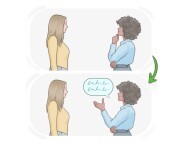
to use words and our voice to show what we are thinking or feeling

mówić, powiedzieć

mówić, powiedzieć

Ex: He was saying that he wanted to quit his job and travel the world. 
would
would
[Czasownik]

used to make an offer or request in a polite manner

chciałbyś, chcielibyście

chciałbyś, chcielibyście

Ex: Would you like some help with your presentation before the meeting? 
can
can
[Czasownik]

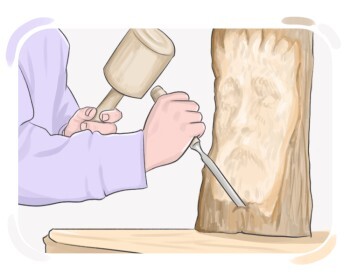
to be able to do somehing, make something, etc.

móc, być w stanie
móc, być w stanie

Ex: With his carpentry skills, he can craft intricate wooden furniture. 
to go
to go
[Czasownik]

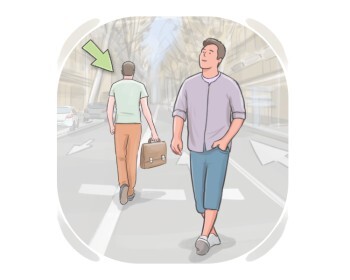
to travel or move from one location to another

iść, przemieszczać się
iść, przemieszczać się

Ex: He went into the kitchen to prepare dinner for the family. 
to get
to get
[Czasownik]

to receive or come to have something

otrzymywać, zdobywać
otrzymywać, zdobywać

Ex: He got an unexpected bonus at work. 
to make
to make
[Czasownik]

to form, produce, or prepare something, by putting parts together or by combining materials

robić, wytwarzać
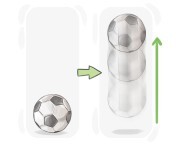
robić, wytwarzać

Ex: The students will make a model of the solar system for the science fair. 
up
up
[przysłówek]

at or toward a higher level or position

w górę, do góry
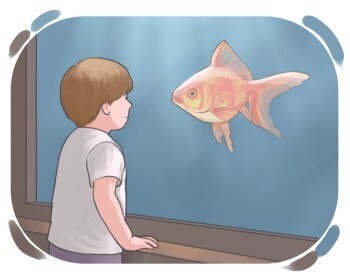
w górę, do góry

Ex: She looked up and saw the bird perched above her. 
to see
to see
[Czasownik]

to notice a thing or person with our eyes

widzieć, zauważyć
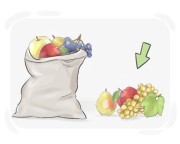
widzieć, zauważyć

Ex: Did you see that shooting star just now? 
other
other
[przymiotnik]

being the one that is different, extra, or not included

inny, różny
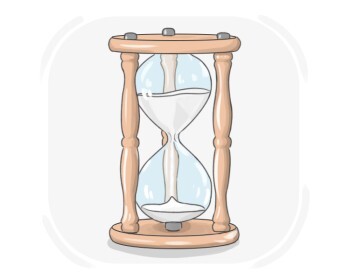
inny, różny

Ex: I spent the other half of my salary on groceries. 
time
time
[Rzeczownik]

the quantity that is measured in seconds, minutes, hours, etc. using a device like clock

czas
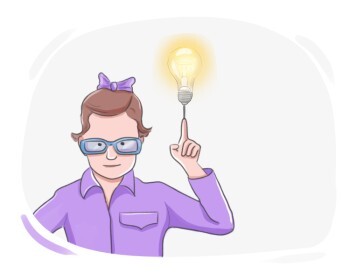
czas

Ex: I need more time to complete this project. 
to know
to know
[Czasownik]

to have some information about something

wiedzieć, znać

wiedzieć, znać

Ex: Do you know where the nearest gas station is? 
to take
to take
[Czasownik]

to reach for something and hold it

brać, chwytać
brać, chwytać

Ex: He took the cup of coffee from the table and sipped it slowly. 
year
year
[Rzeczownik]

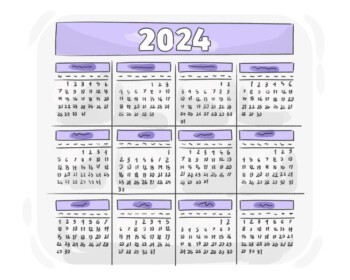
a period of time that is made up of twelve months, particularly one that starts on January first and ends on December thirty-first

rok, lat

rok, lat

Ex: I'm looking forward to the new year and the opportunities it may bring. 
well
well
[przysłówek]

in a way that is right or satisfactory

dobrze, prawidłowo
dobrze, prawidłowo

Ex: She performed well in the exam, earning top marks. 
to like
to like
[Czasownik]

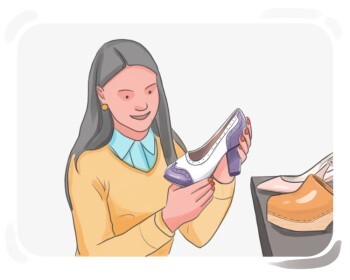
to feel that someone or something is good, enjoyable, or interesting

lubić, cieszyć się
lubić, cieszyć się

Ex: He doesn't like the feeling of being rushed. 
then
then
[przysłówek]

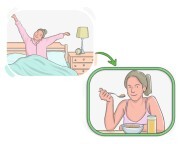
after the thing mentioned

następnie, potem
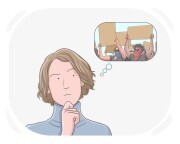
następnie, potem

Ex: She finished her meal then went for a walk. 
to think
to think
[Czasownik]

to have a type of belief or idea about a person or thing

myśleć, wierzyć
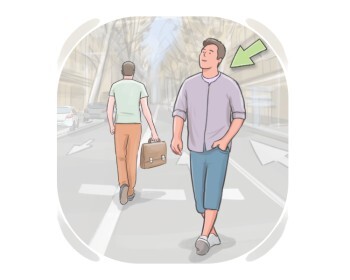
myśleć, wierzyć

Ex: He thinks that the restaurant serves the best pizza in town. 
to come
to come
[Czasownik]

to move toward a location that the speaker considers to be close or relevant to them

przychodzić, przybywać
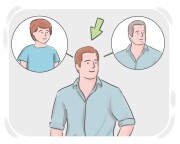
przychodzić, przybywać

Ex: Can you come with me to the store? 
now
now
[przysłówek]

at this moment or time

teraz, obecnie
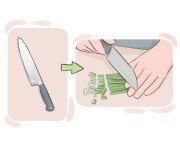
teraz, obecnie

Ex: I am cooking dinner now, but we can watch a movie after dinner. 
to use
to use
[Czasownik]

to do something with an object, method, etc. to achieve a specific result

używać, wykorzystywać
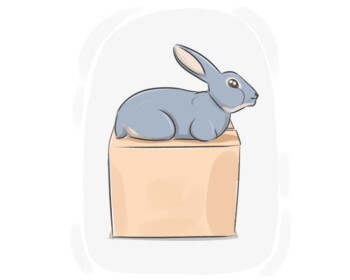
używać, wykorzystywać

Ex: He is using his phone to take a picture. 
over
over
[Przyimek]

at a position above or higher than something

nad, powyżej
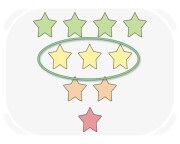
nad, powyżej

Ex: Smoke hung over the burning building. 
good
good
[przymiotnik]

having a quality that is satisfying

dobry, doskonały
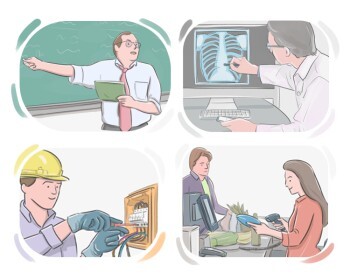
dobry, doskonały

Ex: She has a good memory and can remember details easily. 
to work
to work
[Czasownik]

to do certain physical or mental activities in order to achieve a result or as a part of our job

pracować
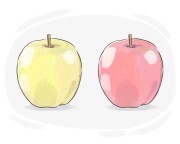
pracować

Ex: He's been working on his presentation for hours. 
like
like
[Przyimek]

used to indicate that something or someone shares the same qualities or features to another

jak
jak

Ex: He fights like a lion, fierce and brave. 
work
work
[Rzeczownik]

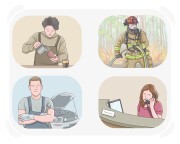
something that we do regularly to earn money

praca, zatrudnienie
praca, zatrudnienie

Ex: During the summer break, she took up work as a tour guide. 
to give
to give
[Czasownik]

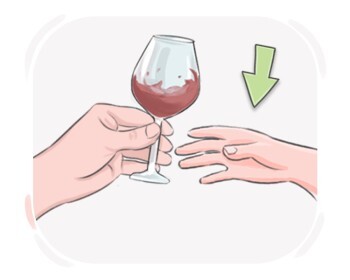
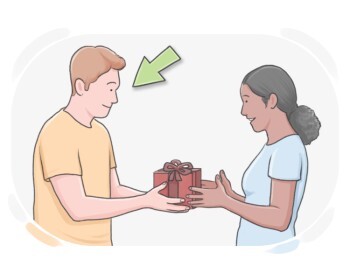
to hand a thing to a person to look at, use, or keep

dawać, wręczać
dawać, wręczać

Ex: The librarian gave me a book to borrow for my research. 
new
new
[przymiotnik]

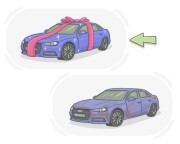
recently invented, made, etc.

nowy, świeży
nowy, świeży

Ex: The new software update includes several innovative features not seen before. 
people
people
[Rzeczownik]

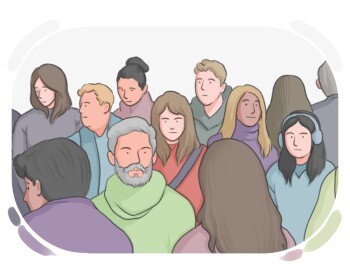
a group of humans

ludzie, naród

ludzie, naród

Ex: It is important to listen to the voices of the people and address their concerns. 
to look
to look
[Czasownik]

to turn our eyes toward a person or thing that we want to see

patrzeć, widzieć

patrzeć, widzieć

Ex: He looked at his watch to check the time. 
one
one
[Liczebnik]

the number 1

jeden

jeden

Ex: I have one book. 
way
way
[Rzeczownik]

a procedure or approach used to achieve something

metoda, sposób
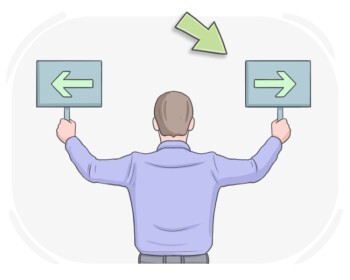
metoda, sposób

Ex: There are several ways to solve this equation. 
right
right
[Rzeczownik]

the direction or side that is toward the east when someone or something is facing north

prawo
prawo

Ex: The sun rises from the east, which is to the right if you're facing north. 
back
back
[Rzeczownik]

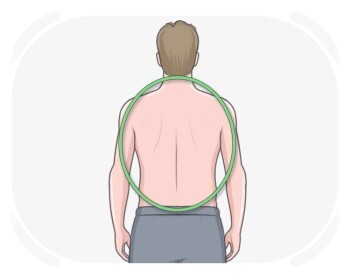
the part of our body between our neck and our legs that we cannot see

plecy, kręgosłup
plecy, kręgosłup

Ex: He bent his back to lift the heavy box. 
right
right
[przymiotnik]

based on facts or the truth

prawidłowy, słuszny
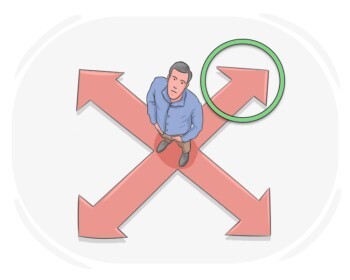
prawidłowy, słuszny

Ex: He made the right decision after carefully considering all the options. 
back
back
[przysłówek]

in or to the direction behind us

w tył,do tyłu, in the direction behind us
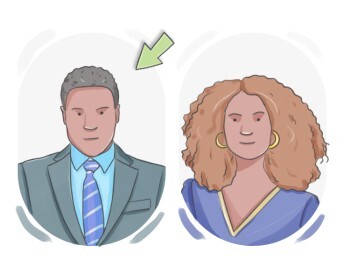
w tył,do tyłu, in the direction behind us
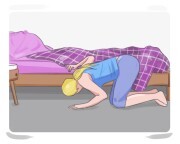
Ex: He stepped back to give his friend more room to dance. 
man
man
[Rzeczownik]

a person who is a male adult

mężczyzna, męski

mężczyzna, męski

Ex: This is my friend, he's a nice man. 
to find
to find
[Czasownik]

to search and discover something or someone that we have lost or do not know the location of

znaleźć, odnaleźć
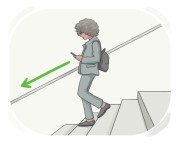
znaleźć, odnaleźć

Ex: Did you find the remote control for the television? 
down
down
[przysłówek]

at or toward a lower level or position

w dół, na dole

w dół, na dole

Ex: The sun slowly sank down behind the mountains. 
LanGeek
Pobierz aplikację LanGeek