pattern

Książka Total English - Początkujący - Jednostka 6 - Lekcja 2

Tutaj znajdziesz słownictwo z Unit 6 - Lesson 2 podręcznika Total English Starter, takie jak "czysty", "zmywarka", "codzienny" itp.

Przegląd

Fiszki

formy

Pisownia

Test
Zacznij naukę
Total English - Starter
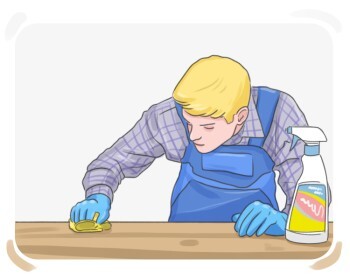
to clean
to clean
[Czasownik]

to make something have no bacteria, marks, or dirt

czyścić, myć
czyścić, myć

Ex: I need to clean my glasses; they are dirty. 
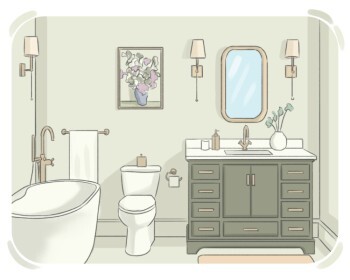
bathroom
bathroom
[Rzeczownik]

a room containing a toilet and sink, especially one in a public building or home
Ex: Emma asked whether she could use the bathroom. 
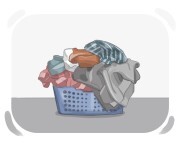
laundry
laundry
[Rzeczownik]

clothes, sheets, etc. that have just been washed or need washing

pranie, bielizna do prania

pranie, bielizna do prania

Ex: Please separate the white laundry from the colored clothes. 

Proszę oddzielić białą bieliznę od kolorowych ubrań.
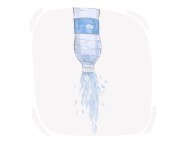
to empty
to empty
[Czasownik]

to remove the contents of a container or space

opróżniać, czyścić
opróżniać, czyścić

Ex: She had to empty the trash bin before it overflowed. 
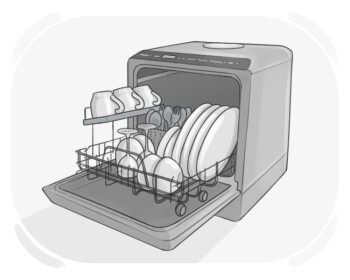
dishwasher
dishwasher
[Rzeczownik]

an electric machine that is used to clean dishes, spoons, cups, etc.

zmywarka, myjka do naczyń

zmywarka, myjka do naczyń

Ex: The dishwasher's control panel has intuitive buttons for easy operation. 

Panel sterowania zmywarki ma intuicyjne przyciski ułatwiające obsługę.
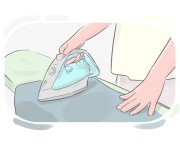
to iron
to iron
[Czasownik]

to use a heated appliance to straighten and smooth wrinkles and creases from fabric

prasować
prasować

Ex: She irons her shirts before going to work to ensure they look neat and tidy. 
to lay
to lay
[Czasownik]

to carefully place something or someone down in a horizontal position

kłaść, umieszczać
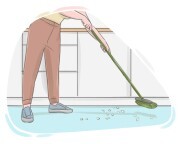
kłaść, umieszczać

Ex: She decided to lay the fragile vase on the soft cushion to prevent it from breaking. 
to sweep
to sweep
[Czasownik]

to clean a place by using a broom

zamiatać, sprzątać zamiatając
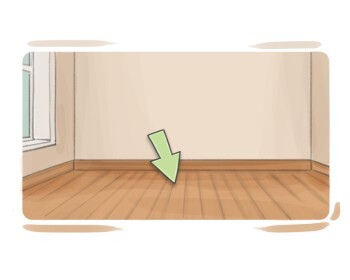
zamiatać, sprzątać zamiatając

Ex: She sweeps the kitchen floor every evening after dinner. 
floor
floor
[Rzeczownik]

the bottom of a room that we walk on

podłoga, posadzka
podłoga, posadzka

Ex: He swept the floor to remove the dust and dirt. 
to tidy
to tidy
[Czasownik]

to make a place or collection of things neat and orderly

sprzątać,  porządkować
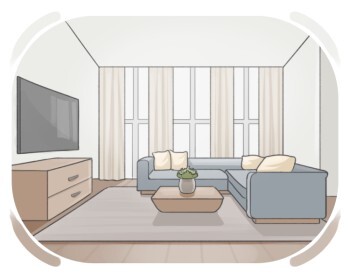
sprzątać, porządkować

Ex: Emma had already tidied the kitchen by the time I arrived. 
living room
living room
[Rzeczownik]

the part of a house where people spend time together talking, watching television, relaxing, etc.

salon, pokój dzienny
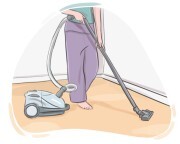
salon, pokój dzienny

Ex: A vibrant rug added a pop of color to the living room, complementing the tasteful decor. 
to vacuum
to vacuum
[Czasownik]

to clean a surface by using a machine that sucks up dirt, dust, etc.

odkurzać

odkurzać

Ex: He vacuums the car interior to keep it tidy and free from crumbs. 

On odkurza wnętrze samochodu, aby utrzymać je w czystości i wolne od okruchów.
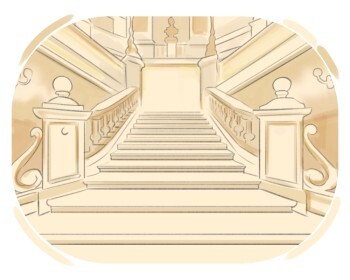
stair
stair
[Rzeczownik]

a series of steps connecting two floors of a building, particularly built inside a building

schody, stopień

schody, stopień

Ex: The old house has a wooden stair that creaks. 

Stary dom ma drewniane schody, które skrzypią.
to wash
to wash
[Czasownik]

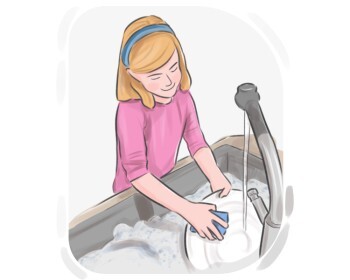
to clean someone or something with water, often with a type of soap

myć, czyścić

myć, czyścić

Ex: I always wash my hands before eating. 
dish
dish
[Rzeczownik]

a collection of plates, bowls, and other similar items that are used for preparing, serving, or eating food

naczynia, zestaw naczyń
naczynia, zestaw naczyń

Ex: She washed the dishes after dinner. 
housework
housework
[Rzeczownik]

regular work done in a house, especially cleaning, washing, etc.

prace domowe, obowiązki domowe

prace domowe, obowiązki domowe

Ex: After a long week at work, she finds it satisfying to tackle the housework on the weekends. 

Po długim tygodniu pracy uważa za satysfakcjonujące zajmowanie się pracami domowymi w weekendy.
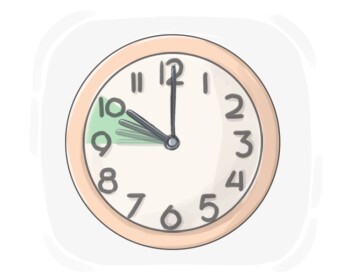
hour
hour
[Rzeczownik]

each of the twenty-four time periods that exist in a day and each time period is made up of sixty minutes

godzina
godzina

Ex: I have a deadline in three hours, so I need to work quickly. 
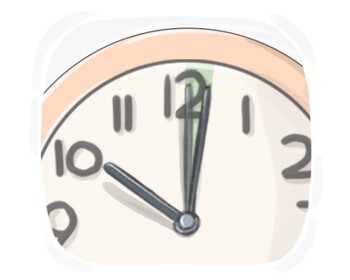
minute
minute
[Rzeczownik]

each of the sixty parts that creates one hour and is made up of sixty seconds

minuta
minuta

Ex: I like to take a short break every 30 minutes of studying. 
everyday
everyday
[przymiotnik]

taking place each day

codzienny, powszedni

codzienny, powszedni

Ex: They have everyday meetings to review progress and set goals. 

Mają codzienne spotkania, aby przejrzeć postępy i ustalić cele.
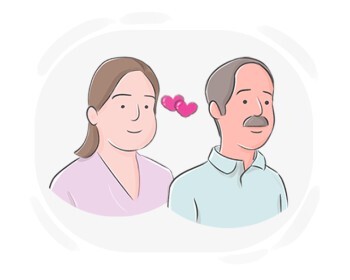
couple
couple
[Rzeczownik]

two people who are married or having a romantic relationship

para, małżeństwo
para, małżeństwo

Ex: A couple was looking at the menu outside the restaurant. 
often
often
[przysłówek]

on many occasions

często, wielokrotnie
często, wielokrotnie

Ex: She often volunteers at the community center. 
always
always
[przysłówek]

at all times, without any exceptions

zawsze, ciągle
zawsze, ciągle

Ex: They always celebrate birthdays with a party. 
sometimes
sometimes
[przysłówek]

on some occasions but not always

czasami, niekiedy
czasami, niekiedy

Ex: We sometimes have a barbecue in the backyard. 
never
never
[przysłówek]

not at any point in time

nigdy, przenigdy

nigdy, przenigdy

Ex: He never learned to swim, even though he grew up near the ocean. 
usually
usually
[przysłówek]

in most situations or under normal circumstances

zwykle, zazwyczaj
zwykle, zazwyczaj

Ex: They usually meet at the coffee shop on Fridays. 
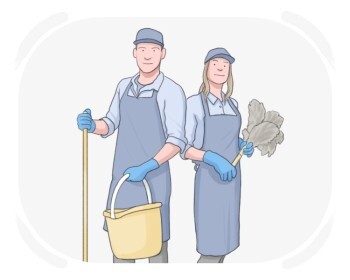
cleaner
cleaner
[Rzeczownik]

someone whose job is to clean other people's houses, offices, etc.

sprzątacz,  osoba sprzątająca

sprzątacz, osoba sprzątająca

Ex: As a cleaner, he has to arrive at the office early in the morning. 
to eat out
to eat out
[Czasownik]

to eat in a restaurant, etc. rather than at one's home

jeść na mieście, jeść w restauracji

jeść na mieście, jeść w restauracji

Ex: Instead of packing lunch, they decided to eat out and try the nearby cafes. 

Zamiast pakować lunch, postanowili zjeść na mieście i wypróbować pobliskie kawiarnie.

both
both
[określnik]

used to talk about two things or people

oba, obydwa
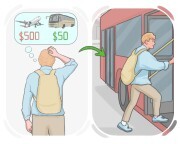
oba, obydwa

Ex: The two candidates in the election, Laura and James, both presented their plans for improving education and healthcare. 
because
because
[Spójnik]

used for introducing the reason of something

ponieważ, bo

ponieważ, bo

Ex: He got a promotion because he worked hard. 
LanGeek
Pobierz aplikację LanGeek