pattern

Ключевая лексика для распространенных заболеваний - Боль в горле

Обзор

Флэш-карточки

формы

Правописание

Тест

Начать учиться
Key Vocabulary for Common Illnesses
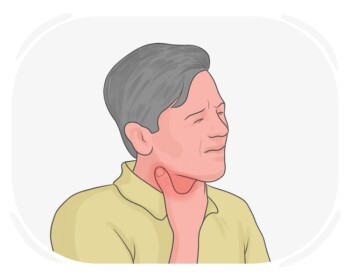
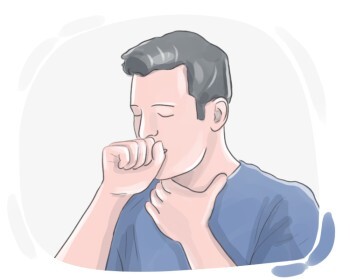
sore throat
sore throat
[существительное]

a condition when you feel pain in the throat, usually caused by bacteria or viruses

больное горло

больное горло

Ex: She drank hot tea with honey to soothe her sore throat.

Она пила горячий чай с медом, чтобы успокоить свою боль в горле.

Закрыть
Войти
when
when
[союз]

used to indicate that two things happen at the same time or during something else

когда

когда

Ex: The lights come on automatically when it gets dark .

Свет включается автоматически, когда становится темно.

Закрыть
Войти
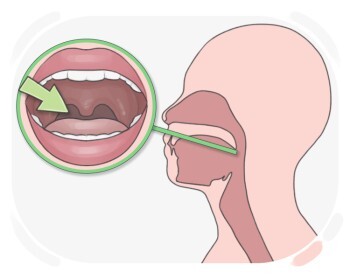
throat
throat
[существительное]

a passage in the neck through which food and air pass

горло

горло

Ex: The doctor examined his throat to check for any signs of infection .

Врач осмотрел его горло, чтобы проверить наличие признаков инфекции.

Закрыть
Войти
to hurt
to hurt
[глагол]

to feel pain in a part of the body

болеть

болеть

Ex: My ears hurt when the airplane was descending .

У меня болели уши, когда самолет снижался.

Закрыть
Войти
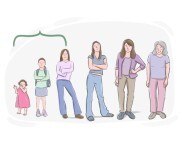
child
child
[существительное]

a young person who has not reached puberty or adulthood yet

ребенок, дитя

ребенок, дитя

Ex: The school organized a field trip to the zoo , and the children were excited to see the animals up close .

Школа организовала экскурсию в зоопарк, и дети были в восторге от возможности увидеть животных вблизи.

Закрыть
Войти
adult
adult
[существительное]

a fully grown man or woman

взрослый

взрослый

Ex: The survey aimed to gather feedback from both adults and children .

Опрос был направлен на сбор отзывов как от взрослых, так и от детей.

Закрыть
Войти
someone
someone
[местоимение]

a person who is not mentioned by name

кто-то

кто-то

Ex: There 's someone waiting for you in the reception area .

Кто-то ждёт вас в зоне приёма.

Закрыть
Войти
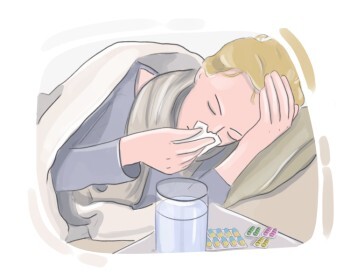
cold
cold
[существительное]

a mild disease that we usually get when viruses affect our body and make us cough, sneeze, or have fever

простуда

простуда

Ex: She could n't go to school because of a severe cold.

Она не могла пойти в школу из-за сильной простуды.

Закрыть
Войти
germ
germ
[существительное]

a small living organism that causes disease or infection

микроб
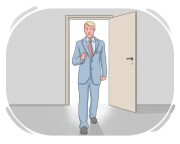
микроб

Закрыть
Войти
to get into
to get into
[глагол]

to enter or reach a location

войти

войти

Ex: They finally got into the stadium after waiting in line .

Они наконец попали на стадион после ожидания в очереди.

Закрыть
Войти
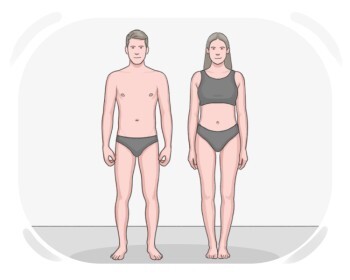
body
body
[существительное]

our or an animal's hands, legs, head, and every other part together

тело

тело

Ex: The human body has many different organs, such as the heart, lungs, and liver.

У человеческого тела много разных органов, таких как сердце, легкие и печень.

Закрыть
Войти
sometimes
sometimes
[наречие]

on some occasions but not always

иногда

иногда

Ex: We sometimes visit our relatives during the holidays .

Мы иногда навещаем наших родственников во время праздников.

Закрыть
Войти
also
also
[наречие]

used to add another item, fact, or action to what has already been mentioned

также

также

Ex: The movie was entertaining and also thought-provoking .

Фильм был развлекательным и также заставляющим задуматься.

Закрыть
Войти
dry
dry
[прилагательное]

lacking moisture or liquid

сухой

сухой

Ex: After the rain stopped , the pavement quickly became dry under the heat .

После того как дождь прекратился, тротуар быстро стал сухим под воздействием тепла.

Закрыть
Войти
to shout
to shout
[глагол]

to speak loudly, often associated with expressing anger or when you cannot hear what the other person is saying

выкрикивать

выкрикивать

Ex: When caught in a sudden rainstorm , they had to shout to communicate over the sound of the pouring rain .

Когда их застал внезапный ливень, им пришлось кричать, чтобы общаться сквозь шум проливного дождя.

Закрыть
Войти
a lot
a lot
[наречие]

to a large degree

много

много

Ex: He's improved a lot since last season.

Он значительно улучшился с прошлого сезона.

Закрыть
Войти
tired
tired
[прилагательное]

needing to sleep or rest because of not having any more energy

уставший

уставший

Ex: The toddler was too tired to finish his dinner .

Малыш был слишком усталым, чтобы закончить свой ужин.

Закрыть
Войти
scratchy
scratchy
[прилагательное]

having a harsh and unpleasant sound

скрипучий, хриплый

скрипучий, хриплый

Ex: Her voice turned scratchy after hours of talking.

Её голос стал скрипучим после часов разговора.

Закрыть
Войти
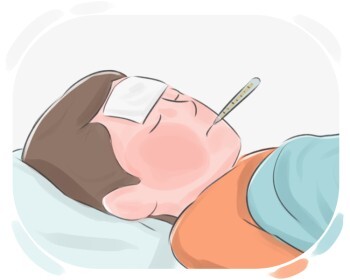
painful
painful
[прилагательное]

causing physical pain in someone

мучительный

мучительный

Ex: Her painful shoulder prevented her from lifting anything heavy .

Её болезненное плечо мешало ей поднимать что-либо тяжёлое.
Закрыть
Войти
fever
fever
[существительное]

a condition when the body temperature rises, usually when we are sick

лихорадка

лихорадка

Ex: She developed a fever after being exposed to the virus .

У нее развилась лихорадка после контакта с вирусом.

Закрыть
Войти
important
important
[прилагательное]

having a lot of value

важный

важный

Ex: The important issue at hand is ensuring the safety of the workers .

Важный вопрос на данный момент - обеспечение безопасности рабочих.

Закрыть
Войти
to rest
to rest
[глагол]

to stop working, moving, or doing an activity for a period of time and sit or lie down to relax

отдыхать

отдыхать

Ex: The cat likes to find a sunny spot to rest and soak up the warmth .

Кошка любит найти солнечное место, чтобы отдохнуть и погреться.

Закрыть
Войти
drink
drink
[существительное]

any liquid that we can drink

напиток

напиток

Ex: The menu featured a variety of drinks, from cocktails to soft drinks .

В меню были представлены различные напитки, от коктейлей до безалкогольных напитков.

Закрыть
Войти
warm
warm
[прилагательное]

having a temperature that is high but not hot, especially in a way that is pleasant

теплый

теплый

Ex: They enjoyed a warm summer evening around the campfire .

Они наслаждались тёплым летним вечером у костра.

Закрыть
Войти
tea
tea
[существительное]

a drink we make by soaking dried tea leaves in hot water

чай

чай

Ex: He offered his guests some tea with biscuits .

Он предложил своим гостям чай с печеньем.

Закрыть
Войти
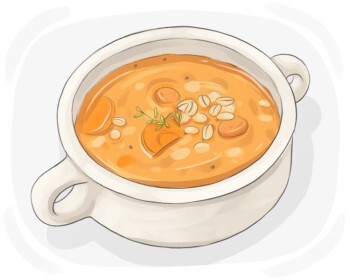
soup
soup
[существительное]

liquid food we make by cooking things like meat, fish, or vegetables in water

суп

суп

Ex: The soup was so delicious that I had two servings .

Суп был настолько вкусным, что я съел две порции.

Закрыть
Войти
to make
to make
[глагол]

to cause someone or something to display or possess a specific quality, emotion, or state

становиться

становиться

Ex: The teacher encouraged students to make their questions clear to ensure a better understanding of the lesson .

Учитель поощрял студентов делать свои вопросы ясными, чтобы обеспечить лучшее понимание урока.

Закрыть
Войти
better
better
[прилагательное]

recovered from a physical or mental health problem completely or compared to the past

лучший

лучший

Ex: The fresh air made her feel instantly better.

Свежий воздух мгновенно заставил её почувствовать себя лучше.

Закрыть
Войти
soft
soft
[прилагательное]

gentle to the touch

мягкий

мягкий

Ex: He brushed his fingers over the soft petals of the flower .

Он провел пальцами по мягким лепесткам цветка.

Закрыть
Войти
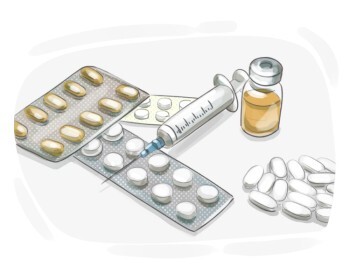
medicine
medicine
[существительное]

a substance that treats injuries or illnesses

медицина

медицина

Ex: The child refused to take the bitter-tasting medicine.

Ребенок отказался принимать горькое лекарство.

Закрыть
Войти
pain
pain
[существительное]

the unpleasant feeling caused by an illness or injury

боль

боль

Ex: The pain from his sunburn made it hard to sleep .

Боль от его солнечного ожога мешала спать.

Закрыть
Войти
to cover
to cover
[глагол]

to put something over something else in a way that hides or protects it

накрывать, покрывать

накрывать, покрывать

Ex: The bookshelf was used to cover the hole in the wall until repairs could be made .

Книжная полка использовалась, чтобы закрыть дыру в стене, пока не будут сделаны ремонтные работы.

Закрыть
Войти
mouth
mouth
[существительное]

our body part that we use for eating, speaking, and breathing

рот

рот

Ex: She opened her mouth wide to take a bite of the juicy apple .

Она широко открыла рот, чтобы откусить кусочек сочного яблока.

Закрыть
Войти
to cough
to cough
[глагол]

to push air out of our mouth with a sudden noise

кашлять

кашлять

Ex: When he began to cough during his speech , someone offered him a glass of water .

Когда он начал кашлять во время своей речи, кто-то предложил ему стакан воды.

Закрыть
Войти
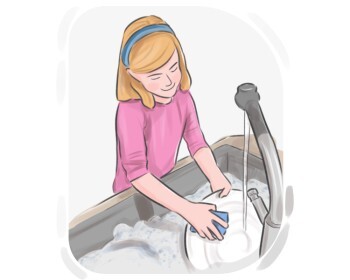
to wash
to wash
[глагол]

to clean someone or something with water, often with a type of soap

мыть

мыть

Ex: We should wash the vegetables before cooking .

Нам следует мыть овощи перед приготовлением.

Закрыть
Войти
to spread
to spread
[глагол]

to extend or increase in influence or effect over a larger area or group of people

распространяться

распространяться

Ex: The use of radios spread to remote areas , allowing people to receive news faster .

Использование радио распространилось в отдаленные районы, позволяя людям получать новости быстрее.

Закрыть
Войти
to heal
to heal
[глагол]

to become healthy again

заживать

заживать

Ex: Patients have recently healed after undergoing medical procedures .

Пациенты недавно вылечились после прохождения медицинских процедур.

Закрыть
Войти
to stay
to stay
[глагол]

to remain in a particular place

оставаться

оставаться

Ex: We were about to leave , but our friends convinced us to stay for a game of cards .

Мы уже собирались уходить, но наши друзья убедили нас остаться на игру в карты.

Закрыть
Войти
to avoid
to avoid
[глагол]

to keep away from or deliberately not do something

избегать, держаться подальше от

избегать, держаться подальше от

Ex: The hikers avoided the dangerous path and chose a safer trail .

Туристы избежали опасной тропы и выбрали более безопасный маршрут.

Закрыть
Войти
to give
to give
[глагол]

to pass a disease or illness to someone else and cause them to become sick or infected

заразить

заразить

Ex: The patient was careful to isolate themselves to avoid giving the highly contagious disease to family members .

Пациент старался изолироваться, чтобы не передать высоко заразную болезнь членам семьи.

Закрыть
Войти
common
common
[прилагательное]

frequently found, happening, or seen

общий, популярный

общий, популярный

Ex: It 's common to see tourists in the city during the summer .

Обычно видеть туристов в городе летом.

Закрыть
Войти
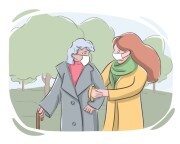
serious
serious
[прилагательное]

needing attention and action because of possible danger or risk

серьезный

серьезный

Ex: The storm caused serious damage to the homes in the area .

Шторм нанес серьезный ущерб домам в этом районе.
Закрыть
Войти
care
care
[существительное]

the act of providing treatment and paying attention to the physical and emotional needs of someone or something

забота

забота

Ex: The hospital provides compassionate care to all patients , ensuring their physical and emotional needs are met .

Больница обеспечивает сострадательный уход за всеми пациентами, гарантируя, что их физические и эмоциональные потребности удовлетворяются.

Закрыть
Войти
a few
a few
[определитель]

used to indicate a small number of items, people, or things

несколько, немного

несколько, немного

Ex: The teacher asked the students to complete a few exercises for homework .

Учитель попросил учеников выполнить несколько упражнений в качестве домашнего задания.

Закрыть
Войти
to [take] care of {sb/sth}

to look after or manage someone or something, ensuring their needs are met

присматривать

присматривать

Ex: He promised to take care of the plants while his friend was on vacation.
Закрыть
Войти
healthy
healthy
[прилагательное]

(of a person) not having physical or mental problems

здоровый

здоровый

Ex: The teacher is glad to see all the students are healthy after the winter break .

Учитель рад видеть, что все ученики здоровы после зимних каникул.

Закрыть
Войти
comfortable
comfortable
[прилагательное]

feeling at ease, relaxed, or free from worry or discomfort in a particular situation or environment

удобный, комфортный

удобный, комфортный

Ex: They were comfortable with the arrangements for the trip .

Они чувствовали себя комфортно с приготовлениями к поездке.

Закрыть
Войти
Ключевая лексика для распространенных заболеваний
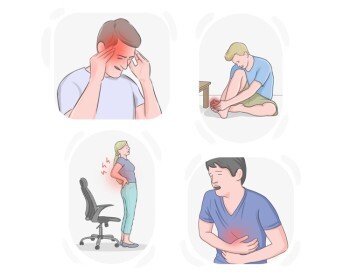
ХолодБоль в горлеБоль в животеЛихорадка
Головная больГрипп
LanGeek
Скачать приложение LanGeek