pattern

Vocabulario clave para enfermedades comunes - Dolor de garganta

Revisión

Tarjetas de memoria

formas

Ortografía

Cuestionario

Empezar a aprender
Key Vocabulary for Common Illnesses
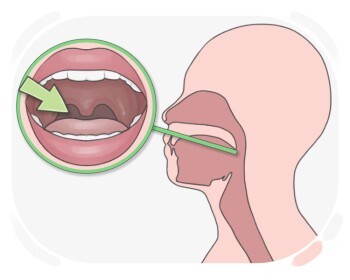
sore throat
sore throat
[Sustantivo]

a condition when you feel pain in the throat, usually caused by bacteria or viruses

dolor de garganta

dolor de garganta

Ex: He always gets a sore throat when the weather changes 

Siempre le duele la garganta cuando cambia el clima.
when
when
[Conjunción]

used to indicate that two things happen at the same time or during something else

cuando, en que

cuando, en que

Ex: I'll call you when I finish my work. 

Te llamaré cuando termine mi trabajo.

throat
throat
[Sustantivo]

a passage in the neck through which food and air pass

garganta
garganta

Ex: The baby giggled, producing adorable gurgling sounds from her throat. 
to hurt
to hurt
[Verbo]

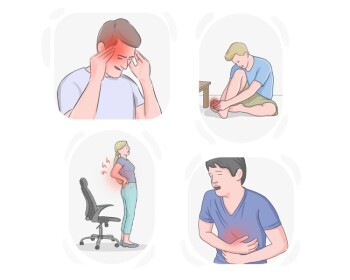
to feel pain in a part of the body

doler

doler

Ex: He said his tooth hurt every time he drank something cold. 
child
child
[Sustantivo]

a young person who has not reached puberty or adulthood yet

niño

niño

Ex: She is a dedicated teacher who is passionate about nurturing and educating children. 
adult
adult
[Sustantivo]

a fully grown man or woman

adulto

adulto

Ex: Many adult learners enroll in evening classes to pursue further education. 
someone
someone
[Pronombre]

a person who is not mentioned by name

alguien

alguien

Ex: I heard someone knocking at the door, but when I opened it, no one was there. 

Oí a alguien llamando a la puerta, pero cuando la abrí, no había nadie.
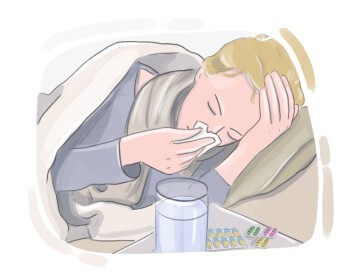
cold
cold
[Sustantivo]

a mild disease that we usually get when viruses affect our body and make us cough, sneeze, or have fever

resfriado

resfriado

Ex: If you have a cold, it's best to rest and drink plenty of fluids. 
germ
germ
[Sustantivo]

a microscopic organism, especially one that causes disease

germen

germen

Ex: That shopping cart handle is covered in germs, so grab a wipe first. 
to get into

to enter or reach a location

entrar, acceder

entrar, acceder

Ex: They waited at the gate to get into the theme park. 

Esperaron en la puerta para entrar al parque temático.

body
body
[Sustantivo]

our or an animal's hands, legs, head, and every other part together

cuerpo

cuerpo

Ex: The body's immune system protects against harmful bacteria and viruses. 
sometimes
sometimes
[Adverbio]

on some occasions but not always

a veces

a veces

Ex: They sometimes play board games as a family. 
also
also
[Adverbio]

used to add another item, fact, or action to what has already been mentioned

también

también

Ex: He speaks Spanish and also understands Portuguese. 

Él habla español y también entiende portugués.
dry
dry
[Adjetivo]

lacking moisture or liquid

seco

seco

Ex: The towel felt dry to the touch after being hung out in the sun. 
to shout
to shout
[Verbo]

to speak loudly, often associated with expressing anger or when you cannot hear what the other person is saying

gritar
gritar

Ex: In the bustling marketplace, vendors would often shout to attract customers' attention to their products. 
a lot
a lot
[Adverbio]

to a large degree

mucho

mucho

Ex: This book means a lot to me. 

Este libro significa mucho para mí.

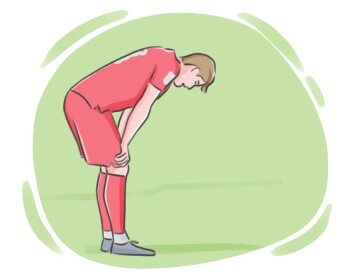
tired
tired
[Adjetivo]

needing to sleep or rest because of not having any more energy

cansado

cansado

Ex: She was tired but satisfied after cleaning the whole house. 

Ella estaba cansada pero satisfecha después de limpiar toda la casa.

scratchy
scratchy
[Adjetivo]

having a harsh and unpleasant sound

áspero, ronco

áspero, ronco

Ex: His voice was scratchy after shouting all day. 

Su voz estaba áspera después de gritar todo el día.

painful
painful
[Adjetivo]

causing physical pain in someone

doloroso

doloroso

Ex: Her painful shoulder prevented her from lifting anything heavy. 

Su hombro doloroso le impedía levantar algo pesado.
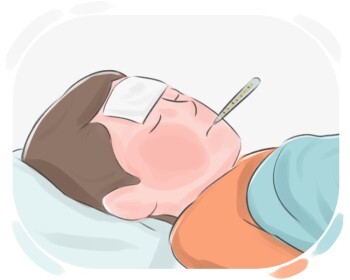
fever
fever
[Sustantivo]

a condition when the body temperature rises, usually when we are sick

fiebre
fiebre

Ex: The doctor said the fever should subside in a couple of days. 
important
important
[Adjetivo]

having a lot of value

importante

importante

Ex: Freedom of speech is an important right in democratic societies. 

La libertad de expresión es un derecho importante en las sociedades democráticas.

to rest
to rest
[Verbo]

to stop working, moving, or doing an activity for a period of time and sit or lie down to relax

descansar

descansar

Ex: Please rest and take a break before you continue with your tasks. 
drink
drink
[Sustantivo]

any liquid that we can drink

bebida

bebida

Ex: They offered me a drink of water when I arrived. 
warm
warm
[Adjetivo]

having a temperature that is high but not hot, especially in a way that is pleasant

cálido, caliente

cálido, caliente

Ex: The warm afternoon was perfect for a picnic in the park. 
tea
tea
[Sustantivo]

a drink we make by soaking dried tea leaves in hot water

té
té

Ex: She brewed a pot of green tea and poured it over ice for a refreshing iced tea. 
soup
soup
[Sustantivo]

a liquid food made by cooking ingredients such as vegetables, meat, or fish in water or stock

sopa

sopa

Ex: The kitchen smelled of freshly cooked chicken soup. 
to make
to make
[Verbo]

to cause someone or something to display or possess a specific quality, emotion, or state

hacer
hacer

Ex: The challenging task can make individuals anxious. 
better
better
[Adjetivo]

recovered from a physical or mental health problem completely or compared to the past

mejor

mejor

Ex: I hope you get better soon! 

¡Espero que te mejores pronto!

soft
soft
[Adjetivo]

gentle to the touch

blando

blando

Ex: The kitten's fur was incredibly soft to the touch. 
medicine
medicine
[Sustantivo]

a substance that treats injuries or illnesses

medicina, medicamento

medicina, medicamento

Ex: The pharmacist explained how to use the medicine properly. 
pain
pain
[Sustantivo]

the unpleasant feeling caused by an illness or injury

dolor

dolor

Ex: The dentist gave me medicine to ease the pain. 
to cover
to cover
[Verbo]

to put something over something else in a way that hides or protects it

cubrir, tapar

cubrir, tapar

Ex: He decided to cover his plants with a tarp to protect them from the impending frost. 
mouth
mouth
[Sustantivo]

our body part that we use for eating, speaking, and breathing

boca

boca

Ex: He tasted the delicious cake, savoring the flavors in his mouth. 
to cough
to cough
[Verbo]

to force air suddenly out of the lungs through the throat with a short, sharp sound

toser
toser

Ex: I started coughing during the night. 
to wash
to wash
[Verbo]

to clean someone or something with water, often with a type of soap

lavar
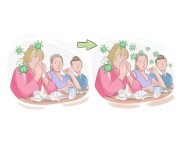
lavar

Ex: I usually wash my car at the car wash. 
to spread
to spread
[Verbo]

to extend or increase in influence or effect over a larger area or group of people

propagar
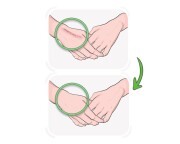
propagar

Ex: The excitement of the victory spread to the fans. 
to heal
to heal
[Verbo]

to become healthy again

sanarse, curarse

sanarse, curarse

Ex: The injury is currently healing with the prescribed treatment. 

La lesión se está curando con el tratamiento prescrito.

to stay
to stay
[Verbo]

to remain in a particular place

quedarse
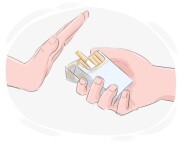
quedarse

Ex: We'll stay at the office to finish the project on time. 
to avoid
to avoid
[Verbo]

to keep away from or deliberately not do something

evitar, alejarse de

evitar, alejarse de

Ex: To avoid conflict, she stayed silent during the heated discussion. 
to give
to give
[Verbo]

to pass a disease or illness to someone else and cause them to become sick or infected

contagiar

contagiar

Ex: The outbreak started when one employee gave the virus to multiple colleagues in the office. 
common
common
[Adjetivo]

frequently found, happening, or seen

común

común

Ex: Coffee is a common beverage in many cultures. 

El café es una bebida común en muchas culturas.
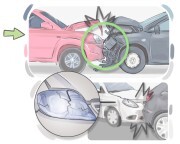
serious
serious
[Adjetivo]

needing attention and action because of possible danger or risk

grave

grave

Ex: The doctor said his condition is serious and needs immediate attention. 

El médico dijo que su condición es grave y necesita atención inmediata.
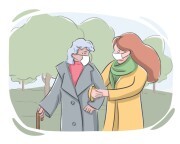
care
care
[Sustantivo]

the act of providing treatment and paying attention to the physical and emotional needs of someone or something

asistencia, atención

asistencia, atención

Ex: The organization provides palliative care to terminally ill patients, offering comfort and support during their final days. 
a few
a few
[Determinante]

used to indicate a small number of items, people, or things

algunos, unos pocos

algunos, unos pocos

Ex: He has a few friends coming over to watch the game tonight. 

Tiene algunos amigos que vienen a ver el juego esta noche.

to [take] care of {sb/sth}

to look after or manage someone or something, ensuring their needs are met

cuidar de, cuidar a

cuidar de, cuidar a

Ex: She's been taking care of her sick mother for the past few months. 
healthy
healthy
[Adjetivo]

(of a person) not having physical or mental problems

sano

sano

Ex: She's a healthy young woman who exercises regularly. 
comfortable
comfortable
[Adjetivo]

feeling at ease, relaxed, or free from worry or discomfort in a particular situation or environment

cómodo, a gusto

cómodo, a gusto

Ex: They were comfortable with the decision to move forward. 

Estaban cómodos con la decisión de seguir adelante.

Vocabulario clave para enfermedades comunes
FríoDolor de gargantaDolor de estómagoFiebre
Dolor de cabezaGripe
LanGeek
Descargar la aplicación LanGeek