pattern

Kluczowe słownictwo na temat powszechnych chorób - Ból gardła

Przegląd

Fiszki

formy

Pisownia

Test

Zacznij naukę
Key Vocabulary for Common Illnesses
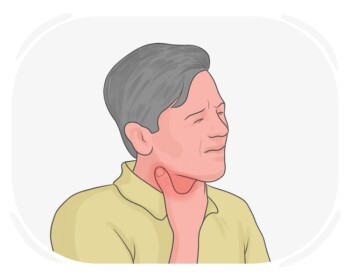
sore throat
sore throat
[Rzeczownik]

a condition when you feel pain in the throat, usually caused by bacteria or viruses

ból gardła
ból gardła

Ex: She drank hot tea with honey to soothe her sore throat.

Wypiła gorącą herbatę z miodem, aby złagodzić ból gardła.

when
when
[Spójnik]

used to indicate that two things happen at the same time or during something else

kiedy,  podczas gdy
kiedy, podczas gdy

Ex: The lights come on automatically when it gets dark .

Światła włączają się automatycznie, kiedy robi się ciemno.

throat
throat
[Rzeczownik]

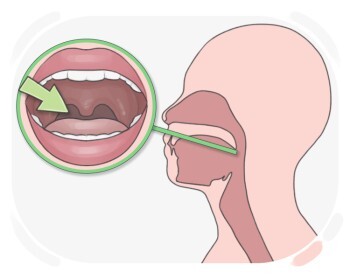
a passage in the neck through which food and air pass

gardło, krtań
gardło, krtań

Ex: The doctor examined his throat to check for any signs of infection .

Lekarz zbadał jego gardło, aby sprawdzić, czy nie ma oznak infekcji.

to hurt
to hurt
[Czasownik]

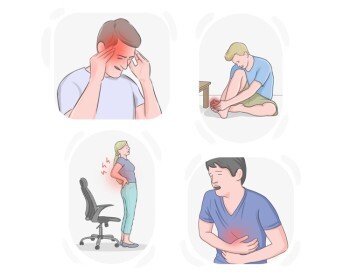
to feel pain in a part of the body

boleć,  ranić
boleć, ranić

Ex: My ears hurt when the airplane was descending .

Moje uszy bolały, gdy samolot schodził.

child
child
[Rzeczownik]

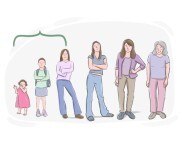
a young person who has not reached puberty or adulthood yet

dziecko, dzieciak
dziecko, dzieciak

Ex: The school organized a field trip to the zoo , and the children were excited to see the animals up close .

Szkoła zorganizowała wycieczkę do zoo, a dzieci były podekscytowane możliwością zobaczenia zwierząt z bliska.

adult
adult
[Rzeczownik]

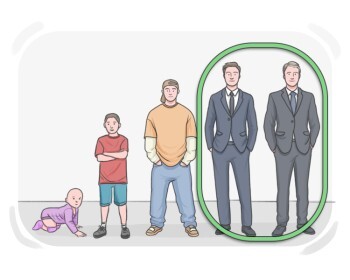
a fully grown man or woman

dorosły, osoba dorosła
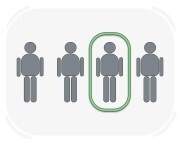
dorosły, osoba dorosła

Ex: The survey aimed to gather feedback from both adults and children .

Ankieta miała na celu zebranie opinii zarówno od dorosłych, jak i dzieci.

someone
someone
[Zaimki]

a person who is not mentioned by name

ktoś, ktośtam
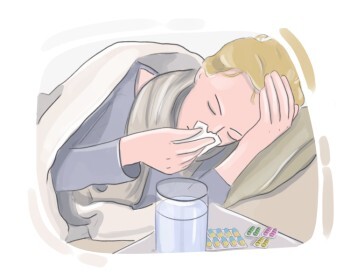
ktoś, ktośtam

Ex: There 's someone waiting for you in the reception area .

Ktoś czeka na ciebie w strefie recepcji.

cold
cold
[Rzeczownik]

a mild disease that we usually get when viruses affect our body and make us cough, sneeze, or have fever

przeziębienie, katar

przeziębienie, katar

Ex: She could n't go to school because of a severe cold.

Nie mogła iść do szkoły z powodu ciężkiego przeziębienia.

germ
germ
[Rzeczownik]

a small living organism that causes disease or infection

zarazek, bakteria

zarazek, bakteria

to get into
to get into
[Czasownik]

to enter or reach a location

wejść, dostać się
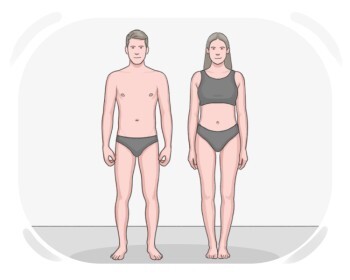
wejść, dostać się

Ex: They finally got into the stadium after waiting in line .

W końcu dostali się na stadion po czekaniu w kolejce.

body
body
[Rzeczownik]

our or an animal's hands, legs, head, and every other part together

ciało, organizm

ciało, organizm

Ex: The human body has many different organs, such as the heart, lungs, and liver.

Ludzkie ciało ma wiele różnych narządów, takich jak serce, płuca i wątroba.

sometimes
sometimes
[przysłówek]

on some occasions but not always

czasami, niekiedy
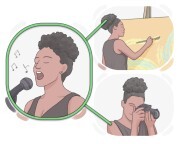
czasami, niekiedy

Ex: We sometimes visit our relatives during the holidays .

Czasami odwiedzamy naszych krewnych podczas wakacji.

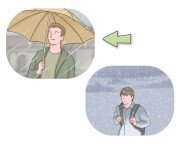
also
also
[przysłówek]

used to add another item, fact, or action to what has already been mentioned

również,  także
również, także

Ex: The movie was entertaining and also thought-provoking .

Film był rozrywkowy i również skłaniający do refleksji.

dry
dry
[przymiotnik]

lacking moisture or liquid

suchy, wyschnięty

suchy, wyschnięty

Ex: After the rain stopped , the pavement quickly became dry under the heat .

Po tym jak deszcz ustał, chodnik szybko stał się suchy pod wpływem ciepła.

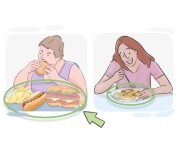
to shout
to shout
[Czasownik]

to speak loudly, often associated with expressing anger or when you cannot hear what the other person is saying

krzyczeć, wrzeszczeć
krzyczeć, wrzeszczeć

Ex: When caught in a sudden rainstorm , they had to shout to communicate over the sound of the pouring rain .

Kiedy złapała ich nagła ulewa, musieli krzyczeć, aby porozumieć się przez dźwięk lejącego się deszczu.

a lot
a lot
[przysłówek]

to a large degree

bardzo, moc

bardzo, moc

Ex: He's improved a lot since last season.

Poprawił się bardzo od ostatniego sezonu.

tired
tired
[przymiotnik]

needing to sleep or rest because of not having any more energy

zmęczony,  wyczerpany

zmęczony, wyczerpany

Ex: The toddler was too tired to finish his dinner .

Maluch był zbyt zmęczony, aby dokończyć obiad.

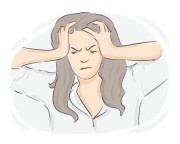
scratchy
scratchy
[przymiotnik]

having a harsh and unpleasant sound

skrzypiący, chropowaty
skrzypiący, chropowaty

Ex: Her voice turned scratchy after hours of talking.

Jej głos stał się chropowaty po godzinach mówienia.

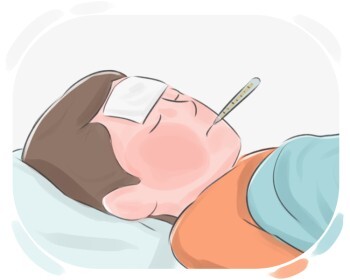
painful
painful
[przymiotnik]

causing physical pain in someone

bolesny, bolesny
bolesny, bolesny

Ex: Her painful shoulder prevented her from lifting anything heavy .

Jej bolesne ramię uniemożliwiało jej podnoszenie czegoś ciężkiego.

fever
fever
[Rzeczownik]

a condition when the body temperature rises, usually when we are sick

gorączka, temperatura
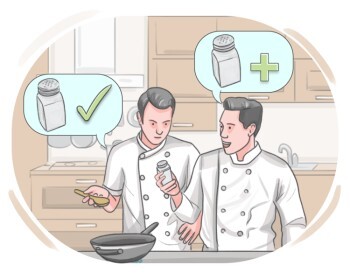
gorączka, temperatura

Ex: She developed a fever after being exposed to the virus .

Rozwinęła się u niej gorączka po ekspozycji na wirusa.

important
important
[przymiotnik]

having a lot of value

ważny, kluczowy
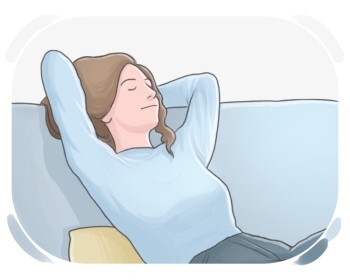
ważny, kluczowy

Ex: The important issue at hand is ensuring the safety of the workers .

Ważną kwestią jest zapewnienie bezpieczeństwa pracowników.

to rest
to rest
[Czasownik]

to stop working, moving, or doing an activity for a period of time and sit or lie down to relax

odpoczywać, relaksować się
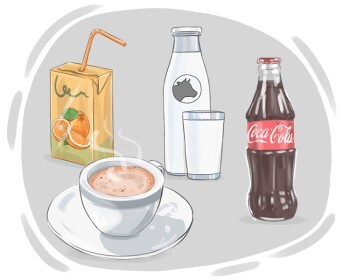
odpoczywać, relaksować się

Ex: The cat likes to find a sunny spot to rest and soak up the warmth .

Kot lubi znaleźć słoneczne miejsce, aby odpocząć i rozkoszować się ciepłem.

drink
drink
[Rzeczownik]

any liquid that we can drink

napój, picie
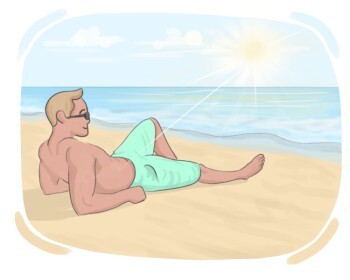
napój, picie

Ex: The menu featured a variety of drinks, from cocktails to soft drinks .

W menu znajdowały się różne napoje, od koktajli po napoje bezalkoholowe.

warm
warm
[przymiotnik]

having a temperature that is high but not hot, especially in a way that is pleasant

ciepły, letni
ciepły, letni

Ex: They enjoyed a warm summer evening around the campfire .

Cieszyli się ciepłym letnim wieczorem przy ognisku.

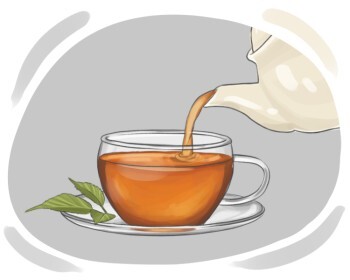
tea
tea
[Rzeczownik]

a drink we make by soaking dried tea leaves in hot water

herbata, napar
herbata, napar

Ex: He offered his guests some tea with biscuits .

Poczęstował swoich gości herbatą z ciasteczkami.

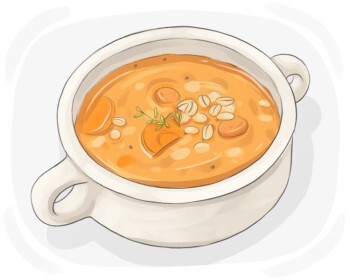
soup
soup
[Rzeczownik]

liquid food we make by cooking things like meat, fish, or vegetables in water

zupa, rosół

zupa, rosół

Ex: The soup was so delicious that I had two servings .

Zupa była tak pyszna, że zjadłem dwie porcje.

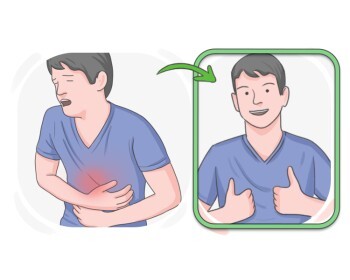
to make
to make
[Czasownik]

to cause someone or something to display or possess a specific quality, emotion, or state

robić, sprawiać
robić, sprawiać

Ex: The teacher encouraged students to make their questions clear to ensure a better understanding of the lesson .

Nauczyciel zachęcał uczniów, aby uczynili swoje pytania jasnymi, aby zapewnić lepsze zrozumienie lekcji.

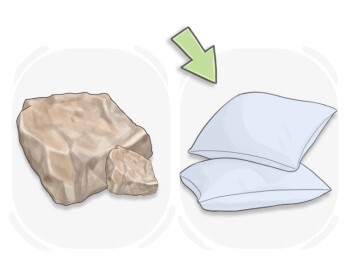
better
better
[przymiotnik]

recovered from a physical or mental health problem completely or compared to the past

lepszy, wyzdrowiały
lepszy, wyzdrowiały

Ex: The fresh air made her feel instantly better.

Świeże powietrze sprawiło, że poczuła się natychmiast lepiej.

soft
soft
[przymiotnik]

gentle to the touch

miękki, delikatny
miękki, delikatny

Ex: He brushed his fingers over the soft petals of the flower .

Przesunął palcami po miękkich płatkach kwiatu.

medicine
medicine
[Rzeczownik]

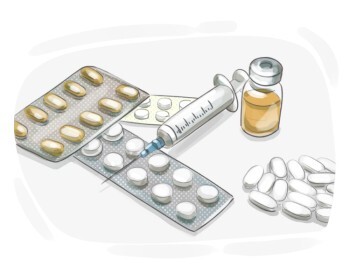
a substance that treats injuries or illnesses

lek, medycyna

lek, medycyna

Ex: The child refused to take the bitter-tasting medicine.

Dziecko odmówiło przyjęcia gorzkiego leku.

pain
pain
[Rzeczownik]

the unpleasant feeling caused by an illness or injury

ból
ból

Ex: The pain from his sunburn made it hard to sleep .

Ból spowodowany oparzeniem słonecznym utrudniał zasypianie.

to cover
to cover
[Czasownik]

to put something over something else in a way that hides or protects it

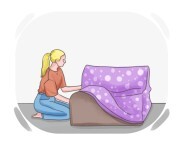
zakryć, przykryć
zakryć, przykryć

Ex: The bookshelf was used to cover the hole in the wall until repairs could be made .

Półka na książki została użyta do zakrycia dziury w ścianie, aż do wykonania napraw.

mouth
mouth
[Rzeczownik]

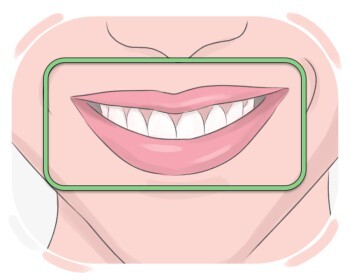
our body part that we use for eating, speaking, and breathing

usta
usta

Ex: She opened her mouth wide to take a bite of the juicy apple .

Otworzyła szeroko usta, aby ugryźć soczyste jabłko.

to cough
to cough
[Czasownik]

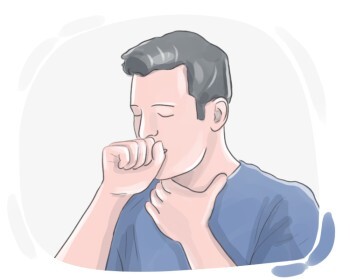
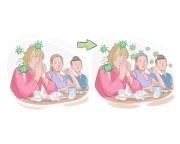
to push air out of our mouth with a sudden noise

kasłać, dostać kaszlu
kasłać, dostać kaszlu

Ex: When he began to cough during his speech , someone offered him a glass of water .

Kiedy zaczął kasłać podczas swojego przemówienia, ktoś zaproponował mu szklankę wody.

to wash
to wash
[Czasownik]

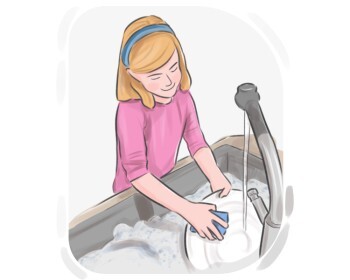
to clean someone or something with water, often with a type of soap

myć, czyścić
myć, czyścić

Ex: We should wash the vegetables before cooking .

Powinniśmy umyć warzywa przed gotowaniem.

to spread
to spread
[Czasownik]

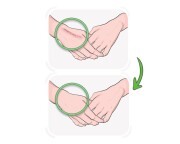
to extend or increase in influence or effect over a larger area or group of people

rozprzestrzeniać, rozsiewać
rozprzestrzeniać, rozsiewać

Ex: The use of radios spread to remote areas , allowing people to receive news faster .

Użycie radia rozprzestrzeniło się na odległe obszary, pozwalając ludziom szybciej otrzymywać wiadomości.

to heal
to heal
[Czasownik]

to become healthy again

goić się, uzdrawiać
goić się, uzdrawiać

Ex: Patients have recently healed after undergoing medical procedures .

Pacjenci ostatnio wyzdrowieli po przejściu procedur medycznych.

to stay
to stay
[Czasownik]

to remain in a particular place

pozostać, przebywać
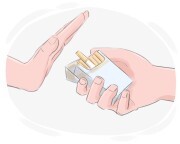
pozostać, przebywać

Ex: We were about to leave , but our friends convinced us to stay for a game of cards .

Mieliśmy już wyjść, ale nasi przyjaciele przekonali nas, żeby zostać na grę w karty.

to avoid
to avoid
[Czasownik]

to keep away from or deliberately not do something

unikać, trzymać się z dala od

unikać, trzymać się z dala od

Ex: The hikers avoided the dangerous path and chose a safer trail .

Wędrowcy uniknęli niebezpiecznej ścieżki i wybrali bezpieczniejszy szlak.

to give
to give
[Czasownik]

to pass a disease or illness to someone else and cause them to become sick or infected

przekazywać, dawać

przekazywać, dawać

Ex: The patient was careful to isolate themselves to avoid giving the highly contagious disease to family members .

Pacjent starał się izolować, aby uniknąć przekazania wysoce zaraźliwej choroby członkom rodziny.

common
common
[przymiotnik]

frequently found, happening, or seen

powszechny, częsty
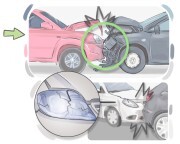
powszechny, częsty

Ex: It 's common to see tourists in the city during the summer .

Często widać turystów w mieście latem.

serious
serious
[przymiotnik]

needing attention and action because of possible danger or risk

poważny, ciężki
poważny, ciężki

Ex: The storm caused serious damage to the homes in the area .

Burza spowodowała poważne szkody w domach na tym obszarze.

care
care
[Rzeczownik]

the act of providing treatment and paying attention to the physical and emotional needs of someone or something

opieka,  uwaga

opieka, uwaga

Ex: The hospital provides compassionate care to all patients , ensuring their physical and emotional needs are met .

Szpital zapewnia wszystkim pacjentom współczującą opiekę, zapewniając zaspokojenie ich fizycznych i emocjonalnych potrzeb.

a few
a few
[określnik]

used to indicate a small number of items, people, or things

kilka, niewiele

kilka, niewiele

Ex: The teacher asked the students to complete a few exercises for homework .

Nauczyciel poprosił uczniów o wykonanie kilku ćwiczeń jako pracy domowej.

to [take] care of {sb/sth}

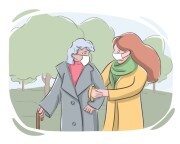
to look after or manage someone or something, ensuring their needs are met
Ex: He promised to take care of the plants while his friend was on vacation.
healthy
healthy
[przymiotnik]

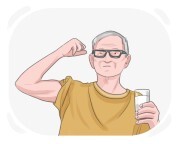
(of a person) not having physical or mental problems

zdrowy, krzepki

zdrowy, krzepki

Ex: The teacher is glad to see all the students are healthy after the winter break .

Nauczyciel cieszy się, widząc, że wszyscy uczniowie są zdrowi po zimowej przerwie.

comfortable
comfortable
[przymiotnik]

feeling at ease, relaxed, or free from worry or discomfort in a particular situation or environment

wygodny, komfortowy

wygodny, komfortowy

Ex: They were comfortable with the arrangements for the trip .

Czuli się komfortowo z przygotowaniami do podróży.

Kluczowe słownictwo na temat powszechnych chorób
ZimnoBól gardłaBól brzuchaGorączka
Ból głowyGrypa
LanGeek
Pobierz aplikację LanGeek