pattern

Ключевая лексика для распространенных заболеваний - Грипп

Обзор

Флэш-карточки

формы

Правописание

Тест

Начать учиться
Key Vocabulary for Common Illnesses
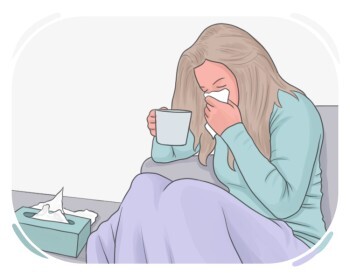
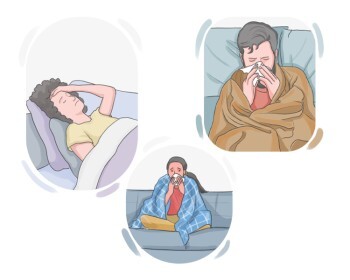
flu
flu
[существительное]

an infectious disease similar to a bad cold, causing fever and severe pain

грипп

грипп

Ex: Wearing a mask can help prevent the spread of the flu.

Ношение маски может помочь предотвратить распространение гриппа.

Закрыть
Войти
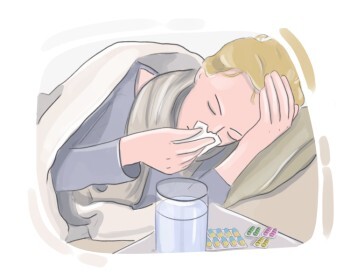
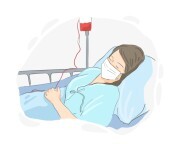
illness
illness
[существительное]

the state of being physically or mentally sick

болезнь

болезнь

Ex: His sudden illness worried everyone in the office .

Его внезапная болезнь обеспокоила всех в офисе.

Закрыть
Войти
to make
to make
[глагол]

to cause someone or something to display or possess a specific quality, emotion, or state

становиться

становиться

Ex: The teacher encouraged students to make their questions clear to ensure a better understanding of the lesson .

Учитель поощрял студентов делать свои вопросы ясными, чтобы обеспечить лучшее понимание урока.

Закрыть
Войти
sick
sick
[прилагательное]

not in a good and healthy physical or mental state

больной

больной

Ex: She was so sick, she missed the trip .

Она была так больна, что пропустила поездку.

Закрыть
Войти
cold
cold
[существительное]

a mild disease that we usually get when viruses affect our body and make us cough, sneeze, or have fever

простуда

простуда

Ex: She could n't go to school because of a severe cold.

Она не могла пойти в школу из-за сильной простуды.

Закрыть
Войти
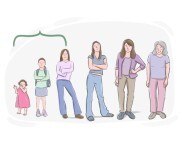
child
child
[существительное]

a young person who has not reached puberty or adulthood yet

ребенок, дитя

ребенок, дитя

Ex: The school organized a field trip to the zoo , and the children were excited to see the animals up close .

Школа организовала экскурсию в зоопарк, и дети были в восторге от возможности увидеть животных вблизи.

Закрыть
Войти
adult
adult
[существительное]

a fully grown man or woman

взрослый

взрослый

Ex: The survey aimed to gather feedback from both adults and children .

Опрос был направлен на сбор отзывов как от взрослых, так и от детей.

Закрыть
Войти
to get
to get
[глагол]

to catch a disease or an illness

подхватить болезнь
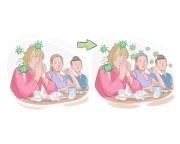
подхватить болезнь

Ex: Many travelers worry about getting malaria when visiting certain regions .

Многие путешественники беспокоятся о том, чтобы заразиться малярией, посещая определенные регионы.

Закрыть
Войти
to spread
to spread
[глагол]

to extend or increase in influence or effect over a larger area or group of people

распространяться

распространяться

Ex: The use of radios spread to remote areas , allowing people to receive news faster .

Использование радио распространилось в отдаленные районы, позволяя людям получать новости быстрее.

Закрыть
Войти
easily
easily
[наречие]

in a way that something is done without much trouble or exertion

легко

легко

Ex: The team won the match easily.

Команда легко выиграла матч.

Закрыть
Войти
person
person
[существительное]

one human

человек

человек

Ex: The talented artist was a remarkable person, expressing emotions through their captivating paintings .

Талантливый художник был замечательным человеком, выражающим эмоции через свои захватывающие картины.

Закрыть
Войти
another
another
[местоимение]

used to refer to an additional person or thing of the same type or kind as one already mentioned or implied

ещё один, другой

ещё один, другой

Ex: We 've visited one museum ; let 's go to another.

Мы посетили один музей; давайте пойдем в другой.
Закрыть
Войти
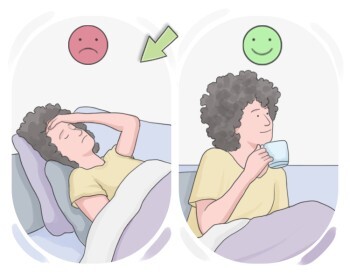
fever
fever
[существительное]

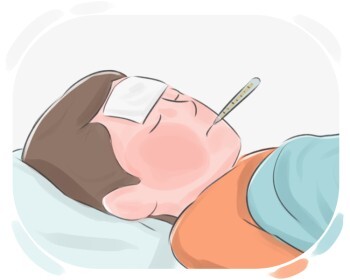
a condition when the body temperature rises, usually when we are sick

лихорадка

лихорадка

Ex: She developed a fever after being exposed to the virus .

У нее развилась лихорадка после контакта с вирусом.

Закрыть
Войти
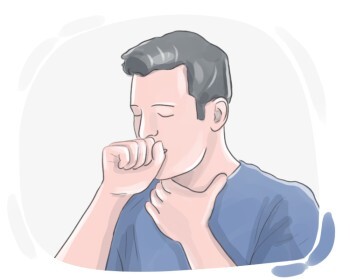
to cough
to cough
[глагол]

to push air out of our mouth with a sudden noise

кашлять

кашлять

Ex: When he began to cough during his speech , someone offered him a glass of water .

Когда он начал кашлять во время своей речи, кто-то предложил ему стакан воды.

Закрыть
Войти
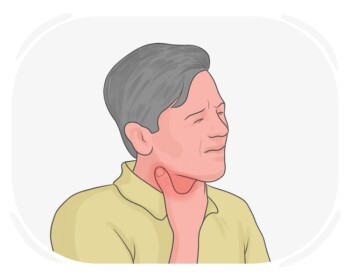
sore throat
sore throat
[существительное]

a condition when you feel pain in the throat, usually caused by bacteria or viruses

больное горло

больное горло

Ex: She drank hot tea with honey to soothe her sore throat.

Она пила горячий чай с медом, чтобы успокоить свою боль в горле.

Закрыть
Войти
runny nose
runny nose
[существительное]

a condition in which the nose produces an excessive amount of fluid or mucus, often as a result of a cold or allergy

насморк

насморк

Ex: The cold wind gave her a runny nose.

Холодный ветер вызвал у нее насморк.

Закрыть
Войти
body
body
[существительное]

our or an animal's hands, legs, head, and every other part together

тело
тело

Ex: The human body has many different organs, such as the heart, lungs, and liver.

У человеческого тела много разных органов, таких как сердце, легкие и печень.

Закрыть
Войти
to hurt
to hurt
[глагол]

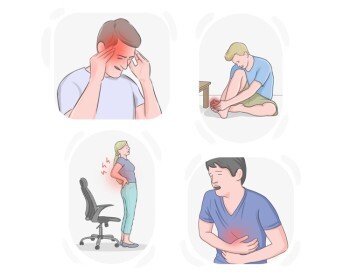
to feel pain in a part of the body

болеть

болеть

Ex: My ears hurt when the airplane was descending .

У меня болели уши, когда самолет снижался.

Закрыть
Войти
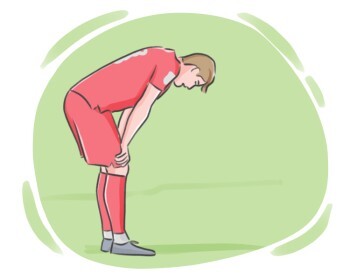
tired
tired
[прилагательное]

needing to sleep or rest because of not having any more energy

уставший

уставший

Ex: The toddler was too tired to finish his dinner .

Малыш был слишком усталым, чтобы закончить свой ужин.

Закрыть
Войти
also
also
[наречие]

used to add another item, fact, or action to what has already been mentioned

также

также

Ex: The movie was entertaining and also thought-provoking .

Фильм был развлекательным и также заставляющим задуматься.

Закрыть
Войти
cold
cold
[прилагательное]

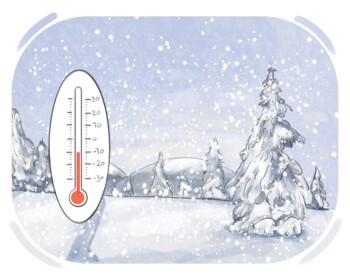
having a temperature lower than the human body's average temperature

холодный

холодный

Ex: The ice cubes made the drink refreshingly cold.

Ледяные кубики сделали напиток освежающе холодным.

Закрыть
Войти
hot
hot
[прилагательное]

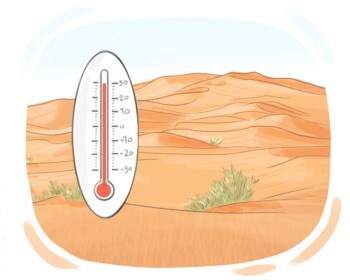
having a higher than normal temperature

горячий

горячий

Ex: The soup was too hot to eat right away .

Суп был слишком горячим, чтобы есть его сразу.

Закрыть
Войти
again and again
again and again
[наречие]

repeatedly and frequently

снова и снова, неоднократно

снова и снова, неоднократно

Ex: The song played again and again on the radio , becoming annoyingly familiar .

Песня играла снова и снова по радио, становясь раздражающе знакомой.

Закрыть
Войти
to study
to study
[глагол]

to spend time to learn about certain subjects by reading books, going to school, etc.

изучать

изучать

Ex: She studied the history of art for her final paper .

Она изучала историю искусства для своей итоговой работы.

Закрыть
Войти
often
often
[наречие]

on many occasions

часто

часто

Ex: He often attends cultural events in the city .

Он часто посещает культурные мероприятия в городе.

Закрыть
Войти
to rest
to rest
[глагол]

to remain in a particular condition or state

оставаться, пребывать

оставаться, пребывать

Ex: His confidence rested steady , even under pressure .

Его уверенность оставалась устойчивой, даже под давлением.

Закрыть
Войти
weak
weak
[прилагательное]

not strong or vigorous in body or movement

слабый, хилый

слабый, хилый

Ex: She spoke in a weak voice that was barely audible .

Она говорила слабым голосом, который едва был слышен.

Закрыть
Войти
important
important
[прилагательное]

having a lot of value

важный

важный

Ex: The important issue at hand is ensuring the safety of the workers .

Важный вопрос на данный момент - обеспечение безопасности рабочих.

Закрыть
Войти
to stay
to stay
[глагол]

to remain in a particular place

оставаться

оставаться

Ex: We were about to leave , but our friends convinced us to stay for a game of cards .

Мы уже собирались уходить, но наши друзья убедили нас остаться на игру в карты.

Закрыть
Войти
warm
warm
[прилагательное]

having a temperature that is high but not hot, especially in a way that is pleasant

теплый

теплый

Ex: They enjoyed a warm summer evening around the campfire .

Они наслаждались тёплым летним вечером у костра.

Закрыть
Войти
place
place
[существительное]

the part of space where someone or something is or they should be

место,пространство, a space or area

место,пространство, a space or area

Ex: The museum is a fascinating place to learn about history and art .

Музей — это увлекательное место, чтобы узнать о истории и искусстве.

Закрыть
Войти
to help
to help
[глагол]

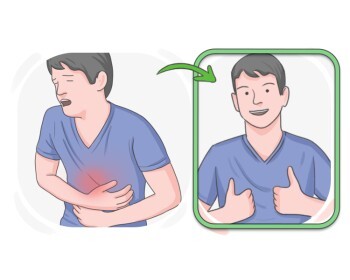
to make something easier, particularly by improving the situation

помогать,  облегчать
помогать, облегчать

Ex: Drinking water frequently helps with dehydration.

Частое питье воды помогает при обезвоживании.

Закрыть
Войти
better
better
[прилагательное]

recovered from a physical or mental health problem completely or compared to the past

лучший

лучший

Ex: The fresh air made her feel instantly better.

Свежий воздух мгновенно заставил её почувствовать себя лучше.

Закрыть
Войти
tea
tea
[существительное]

a drink we make by soaking dried tea leaves in hot water

чай

чай

Ex: He offered his guests some tea with biscuits .

Он предложил своим гостям чай с печеньем.

Закрыть
Войти
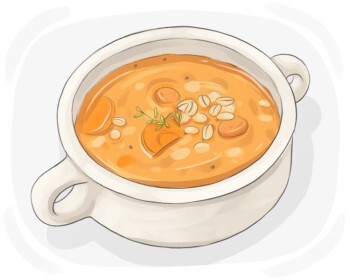
soup
soup
[существительное]

liquid food we make by cooking things like meat, fish, or vegetables in water

суп

суп

Ex: The soup was so delicious that I had two servings .

Суп был настолько вкусным, что я съел две порции.

Закрыть
Войти
to meet
to meet
[глагол]

to come together as previously scheduled for social interaction or a prearranged purpose

встречать
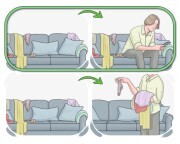
встречать

Ex: The two friends decided to meet at the movie theater before the show .

Два друга решили встретиться в кинотеатре перед показом.

Закрыть
Войти
to keep
to keep
[глагол]

to make someone or something stay or remain in a specific state, position, or condition

держать, сохранять
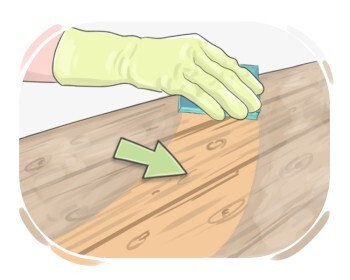
держать, сохранять

Ex: They keep the fridge stocked with fresh ingredients .

Они держат холодильник заполненным свежими ингредиентами.

Закрыть
Войти
clean
clean
[прилагательное]

not having any bacteria, marks, or dirt

чистый, стерильный

чистый, стерильный

Ex: The hotel room was clean and spotless .

Номер в отеле был чистым и безупречным.

Закрыть
Войти
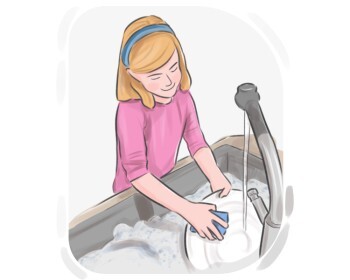
to wash
to wash
[глагол]

to clean someone or something with water, often with a type of soap

мыть

мыть

Ex: We should wash the vegetables before cooking .

Нам следует мыть овощи перед приготовлением.

Закрыть
Войти
to cover
to cover
[глагол]

to put something over something else in a way that hides or protects it

накрывать, покрывать

накрывать, покрывать

Ex: The bookshelf was used to cover the hole in the wall until repairs could be made .

Книжная полка использовалась, чтобы закрыть дыру в стене, пока не будут сделаны ремонтные работы.

Закрыть
Войти
mouth
mouth
[существительное]

our body part that we use for eating, speaking, and breathing

рот

рот

Ex: She opened her mouth wide to take a bite of the juicy apple .

Она широко открыла рот, чтобы откусить кусочек сочного яблока.

Закрыть
Войти
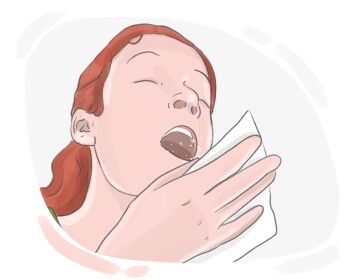
to sneeze
to sneeze
[глагол]

to blow air out of our nose and mouth in a sudden way

чихать

чихать

Ex: Whenever I dust my house , I sneeze a lot .

Всякий раз, когда я вытираю пыль в доме, я много чихаю.

Закрыть
Войти
safe
safe
[прилагательное]

protected from any danger

безопасный

безопасный

Ex: After the storm passed , they felt safe to return to their houses and assess the damage .

После того как буря прошла, они почувствовали себя в безопасности, чтобы вернуться в свои дома и оценить ущерб.

Закрыть
Войти
a few
a few
[определитель]

used to indicate a small number of items, people, or things

несколько, немного

несколько, немного

Ex: The teacher asked the students to complete a few exercises for homework .

Учитель попросил учеников выполнить несколько упражнений в качестве домашнего задания.

Закрыть
Войти
some
some
[определитель]

used to indicate a portion, however small, of a group or quantity

некоторые, несколько

некоторые, несколько

Ex: He answered some of the questions correctly .

Он правильно ответил на некоторые из вопросов.

Закрыть
Войти
to need
to need
[глагол]

to want something or someone that we must have if we want to do or be something

нуждаться
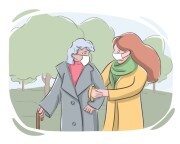
нуждаться

Ex: The house needs cleaning before the guests arrive .

Дому нужна уборка до прихода гостей.

Закрыть
Войти
care
care
[существительное]

the act of providing treatment and paying attention to the physical and emotional needs of someone or something

забота

забота

Ex: The hospital provides compassionate care to all patients , ensuring their physical and emotional needs are met .

Больница обеспечивает сострадательный уход за всеми пациентами, гарантируя, что их физические и эмоциональные потребности удовлетворяются.

Закрыть
Войти
Ключевая лексика для распространенных заболеваний
ХолодБоль в горлеБоль в животеЛихорадка
Головная больГрипп
LanGeek
Скачать приложение LanGeek