
Vocabular cheie pentru boli comune - Gripă
Revizuire
Fișe de studiu
forme
Ortografie
Chestionar

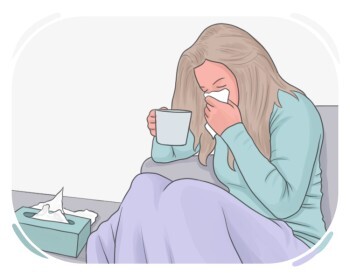
an infectious disease similar to a bad cold, causing fever and severe pain

gripă
După ce a prins gripa, și-a dat seama de importanța vaccinării.
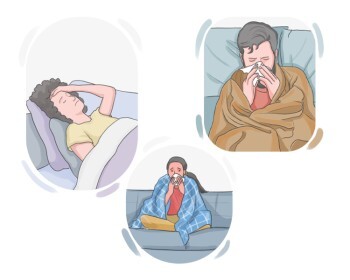
the state of being physically or mentally sick
boală, afecțiune
Boala lui l-a ținut în pat săptămâni întregi.

to cause someone or something to display or possess a specific quality, emotion, or state
face, determina
Feedback-ul pozitiv poate face angajații motivați și implicați.
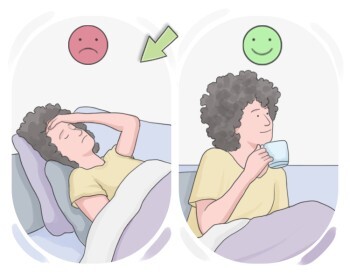
not in a good and healthy physical or mental state
bolnav, grețos
Cred că laptele era rău; m-a făcut bolnav.
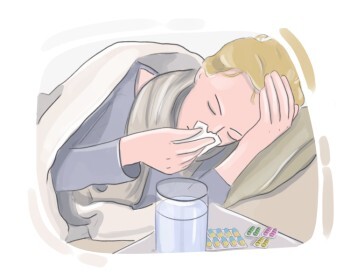
a mild disease that we usually get when viruses affect our body and make us cough, sneeze, or have fever
răceală, gripă
În timpul iernii, mulți oameni iau răceală.
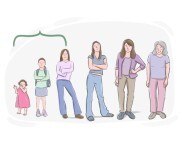
a young person who has not reached puberty or adulthood yet
copil, puști
Este important să creăm un mediu de sprijin în care copiii să-și poată exprima liber gândurile și emoțiile.
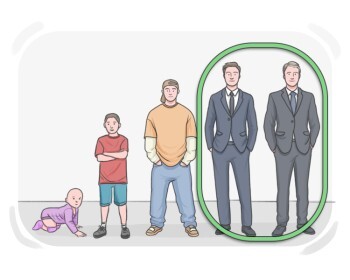
a fully grown man or woman
adult, persoană adultă
Adulții au libertatea de a lua propriile decizii și alegeri.
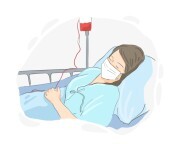
to catch a disease or an illness
a prinde, a se infecta
În ciuda vaccinării, a reușit totuși să facă un caz ușor de pojar.
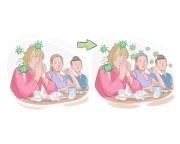
to extend or increase in influence or effect over a larger area or group of people
răspândi, difuza
Pasiunea lui pentru proiect s-a răspândit în întregul departament.
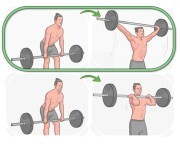
in a way that something is done without much trouble or exertion
ușor, fără dificultate
Ea a terminat maratonul ușor.
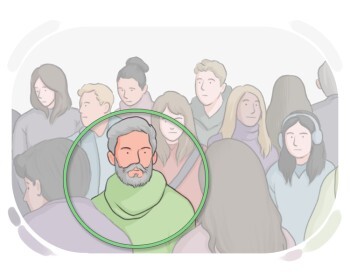
one human
persoană, individ
Fiecare persoană are dreptul să-și exprime opiniile și convingerile.
used to refer to an additional person or thing of the same type or kind as one already mentioned or implied
altul, alta
A terminat o felie de tort și a cerut încă una.
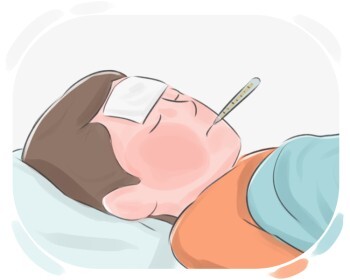
a condition when the body temperature rises, usually when we are sick
febră, temperatură
Febra este unul dintre simptomele comune ale gripei.
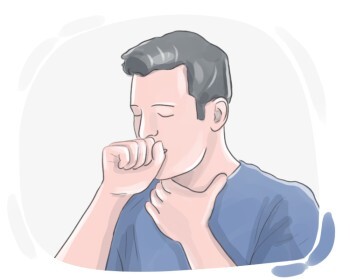
to push air out of our mouth with a sudden noise
tuși, a avea un acces de tuse
Nu tuși în mână; este mai bine să folosești un șervețel.
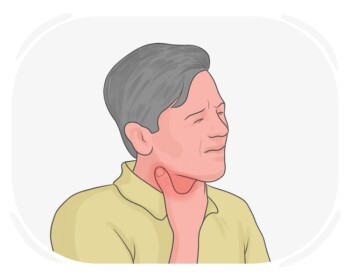
a condition when you feel pain in the throat, usually caused by bacteria or viruses
durere în gât
Durere în gât este adesea primul semn al unei răceli.
a condition in which the nose produces an excessive amount of fluid or mucus, often as a result of a cold or allergy
nas care curge, rinoree
Ea a rămas acasă din cauza nasului care curge și a durerii de gât.
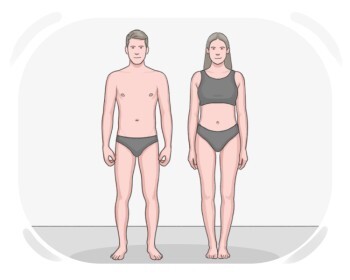
our or an animal's hands, legs, head, and every other part together
corp, organism
Pisica și-a întins corpul leneș după un pui lung de somn la soare.
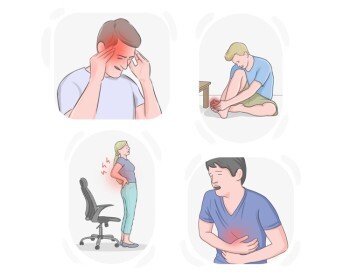
to feel pain in a part of the body
durea, răni
După înțepătura de albină, locul a durut câteva ore.
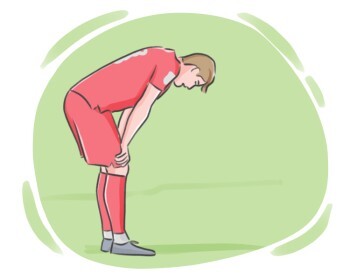
needing to sleep or rest because of not having any more energy
obosit, epuizat
După o zi lungă de muncă, se simțea extrem de obosit.
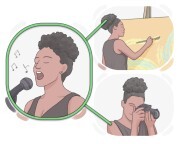
used to add another item, fact, or action to what has already been mentioned
de asemenea, în plus
Ea predă cu normă întreagă și de asemenea își conduce propria afacere.
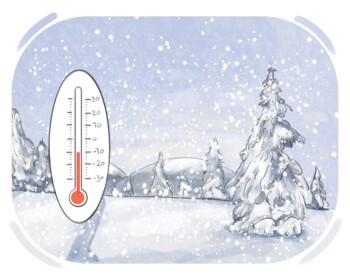
having a temperature lower than the human body's average temperature
rece, înghețat
Prefer să beau apă rece într-o zi caldă.
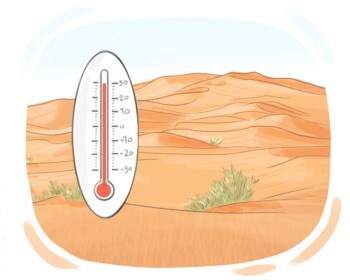
having a higher than normal temperature
fierbinte, cald
Am pornit aerul condiționat pentru că în interior se făcea prea cald.
repeatedly and frequently
iar și iar, repetat
Ea și-a verificat telefonul iar și iar, sperând la un mesaj care nu a venit niciodată.

to spend time to learn about certain subjects by reading books, going to school, etc.
a studia
El preferă să studieze în bibliotecă unde este liniște și propice învățării.

on many occasions
deseori, de multe ori
El adesea își ajută vecinii cu treburile casnice.
to remain in a particular condition or state
rămâne, sta
În ciuda furtunii, încrederea ei a rămas neclintită.
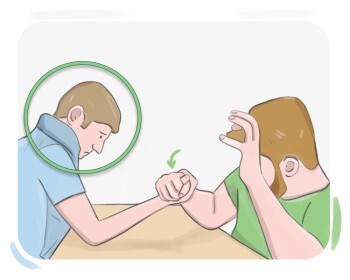
not strong or vigorous in body or movement
slab, fragil
După câteva zile fără mâncare, se simțea prea slab să stea în picioare.
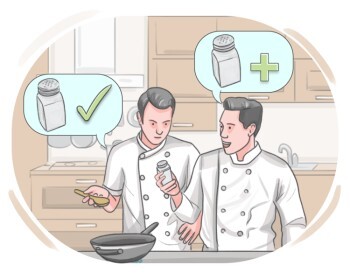
having a lot of value
important, crucial
Educația este un instrument important pentru dezvoltarea personală și profesională.
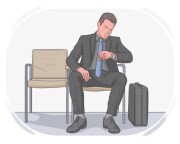
to remain in a particular place
sta, rămâne
Câinele este antrenat să stea într-un loc până când i se dă comanda să se miște.
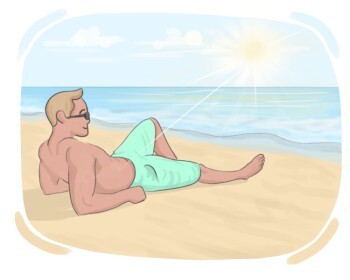
having a temperature that is high but not hot, especially in a way that is pleasant
cald, călduț
Ea și-a scufundat picioarele în nisipul cald de pe plajă.
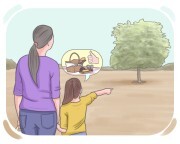
the part of space where someone or something is or they should be
loc,spațiu, a space or area
Sunt entuziasmat să explorez noi locuri în vacanța mea.
to make something easier, particularly by improving the situation
ajuta, facilita
Sprijinul prietenilor noștri a ajutat enorm.
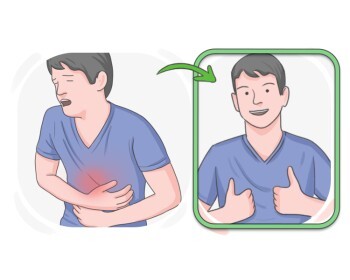
recovered from a physical or mental health problem completely or compared to the past
mai bine, recuperat
După ce am folosit medicamentul, m-am simțit mult mai bine.
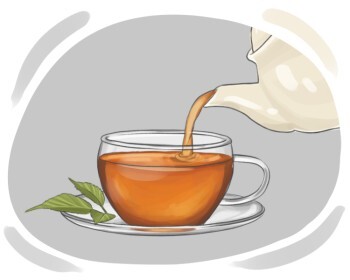
a drink we make by soaking dried tea leaves in hot water
ceai, infuzie
A adăugat un strop de lapte în ceaiul său negru pentru un gust cremos și neted.
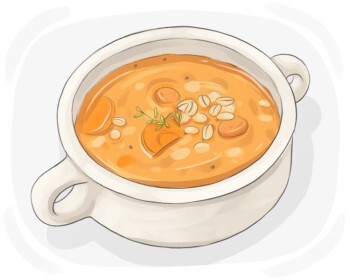
liquid food we make by cooking things like meat, fish, or vegetables in water
supă, ciorbă
Întotdeauna garnisesc supa mea cu un praf de ierburi proaspete.
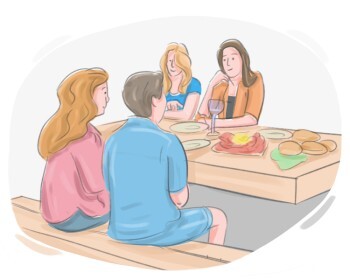
to come together as previously scheduled for social interaction or a prearranged purpose
a se întâlni, a se aduna
Ea a sugerat să se întâlnească la bibliotecă pentru a studia împreună.
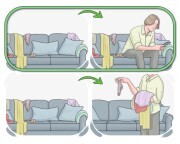
to make someone or something stay or remain in a specific state, position, or condition
păstra, menține
Pompierii au lucrat neobosit pentru a menține incendiul sub control.
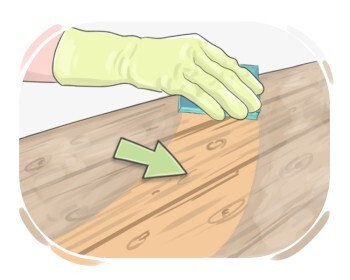
not having any bacteria, marks, or dirt
curat, steril
Și-a spălat mâinile pentru a le menține curate.
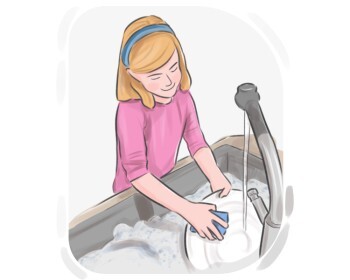
to clean someone or something with water, often with a type of soap
spăla, curăța
Îmi spăl mereu mâinile înainte de a mânca.
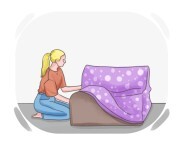
to put something over something else in a way that hides or protects it
acoperi, ascunde
Ea a folosit o pătură pentru a acoperi mobilele delicate în timpul mutării.
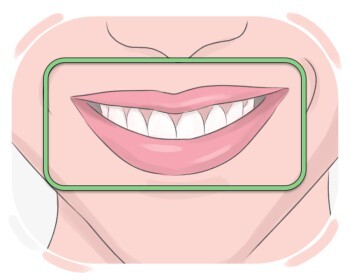
our body part that we use for eating, speaking, and breathing
gură
A mestecat mâncarea cu gura închisă, arătând bune maniere.
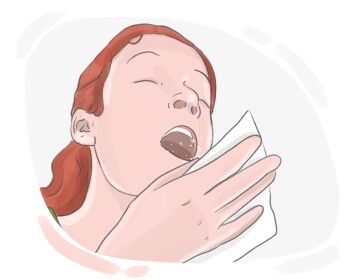
to blow air out of our nose and mouth in a sudden way
strănuta, face un strănut
Nu uitați să vă acoperiți gura când strănutați.
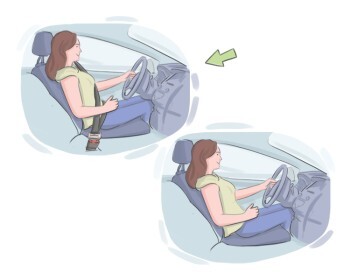
protected from any danger
în siguranță, protejat
Copiii sunt destul de în siguranță aici, jucându-se sub privirea atentă a părinților lor.
used to indicate a small number of items, people, or things
câțiva, puțini
Au fost câțiva oaspeți care au sosit devreme.
used to indicate a portion, however small, of a group or quantity
unele, câteva
Unele cărți din colecție sunt rare.
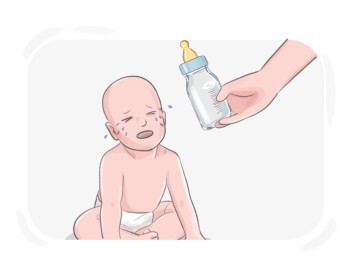
to want something or someone that we must have if we want to do or be something
a avea nevoie de, a necesita
Am nevoie de muzică pentru a mă ajuta să mă concentrez când lucrez.
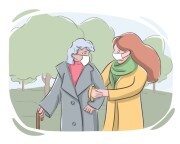
the act of providing treatment and paying attention to the physical and emotional needs of someone or something
îngrijire, atenție
Rezidenții în vârstă ai căminului pentru bătrâni au primit îngrijire plină de compasiune de la membrii personalului devotați.
| Vocabular cheie pentru boli comune | |||
|---|---|---|---|
| Rece | Durere în gât | Durere de stomac | Febră |
| Durere de cap | Gripă | ||
