pattern

Vocabulario clave para enfermedades comunes - Gripe

Revisión

Tarjetas de memoria

formas

Ortografía

Cuestionario

Empezar a aprender
Key Vocabulary for Common Illnesses
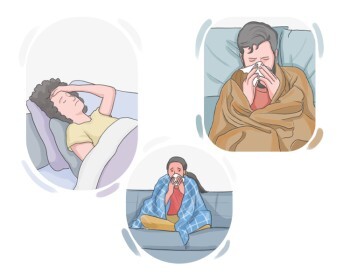
flu
flu
[Sustantivo]

an infectious disease similar to a bad cold, causing fever and severe pain

gripe

gripe

Ex: He has a high fever; it might be the flu. 

Tiene fiebre alta; podría ser la gripe.
illness
illness
[Sustantivo]

the state of being physically or mentally sick

enfermedad

enfermedad

Ex: He recovered from his illness after a long treatment. 
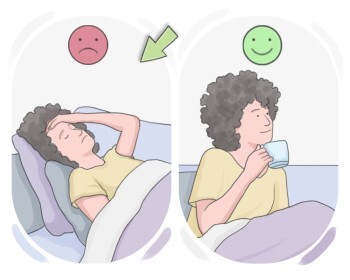
to make
to make
[Verbo]

to cause someone or something to display or possess a specific quality, emotion, or state

hacer
hacer

Ex: The challenging task can make individuals anxious. 
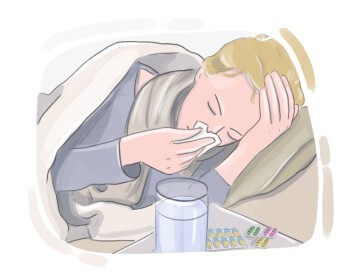
sick
sick
[Adjetivo]

not in a good and healthy physical or mental state

enfermo
enfermo

Ex: My father was so sick that he couldn't even get out of bed. 
cold
cold
[Sustantivo]

a mild disease that we usually get when viruses affect our body and make us cough, sneeze, or have fever

resfriado

resfriado

Ex: If you have a cold, it's best to rest and drink plenty of fluids. 
child
child
[Sustantivo]

a young person who has not reached puberty or adulthood yet

niño

niño

Ex: She is a dedicated teacher who is passionate about nurturing and educating children. 
adult
adult
[Sustantivo]

a fully grown man or woman

adulto

adulto

Ex: Many adult learners enroll in evening classes to pursue further education. 
to get
to get
[Verbo]

to catch a disease or an illness

tener
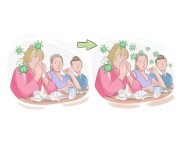
tener

Ex: Many people got COVID-19 during the global pandemic. 
to spread
to spread
[Verbo]

to extend or increase in influence or effect over a larger area or group of people

propagar

propagar

Ex: The excitement of the victory spread to the fans. 
easily
easily
[Adverbio]

in a way that something is done without much trouble or exertion

fácilmente

fácilmente

Ex: They fixed the car easily. 

Arreglaron el coche fácilmente.

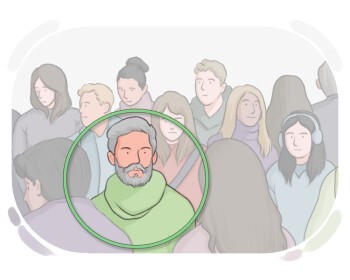
person
person
[Sustantivo]

one human

persona

persona

Ex: The organization is committed to promoting equality and fairness for every person. 
another
another
[Pronombre]

used to refer to an additional person or thing of the same type or kind as one already mentioned or implied

otro, otra

otro, otra

Ex: We've visited one museum; let's go to another. 

Hemos visitado un museo; vayamos a otro.
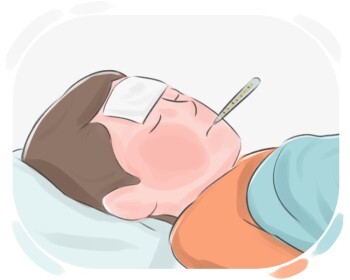
fever
fever
[Sustantivo]

a condition when the body temperature rises, usually when we are sick

fiebre
fiebre

Ex: The doctor said the fever should subside in a couple of days. 
to cough
to cough
[Verbo]

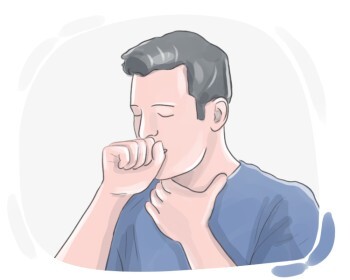
to force air suddenly out of the lungs through the throat with a short, sharp sound

toser

toser

Ex: I started coughing during the night. 
sore throat
sore throat
[Sustantivo]

a condition when you feel pain in the throat, usually caused by bacteria or viruses

dolor de garganta

dolor de garganta

Ex: He always gets a sore throat when the weather changes 

Siempre le duele la garganta cuando cambia el clima.

runny nose
runny nose
[Sustantivo]

a condition in which the nose produces an excessive amount of fluid or mucus, often as a result of a cold or allergy

nariz que moquea, rinorrea

nariz que moquea, rinorrea

Ex: He carried tissues to deal with his runny nose. 

Llevaba pañuelos para lidiar con su nariz que moquea.

body
body
[Sustantivo]

our or an animal's hands, legs, head, and every other part together

cuerpo
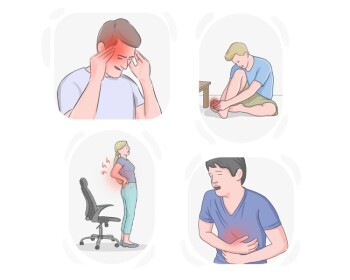
cuerpo

Ex: The body's immune system protects against harmful bacteria and viruses. 
to hurt
to hurt
[Verbo]

to feel pain in a part of the body

doler
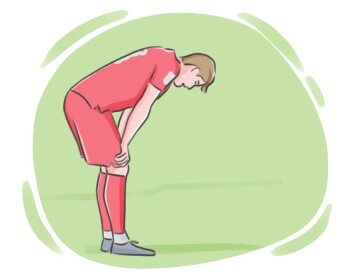
doler

Ex: He said his tooth hurt every time he drank something cold. 
tired
tired
[Adjetivo]

needing to sleep or rest because of not having any more energy

cansado

cansado

Ex: She was tired but satisfied after cleaning the whole house. 

Ella estaba cansada pero satisfecha después de limpiar toda la casa.

also
also
[Adverbio]

used to add another item, fact, or action to what has already been mentioned

también

también

Ex: He speaks Spanish and also understands Portuguese. 

Él habla español y también entiende portugués.
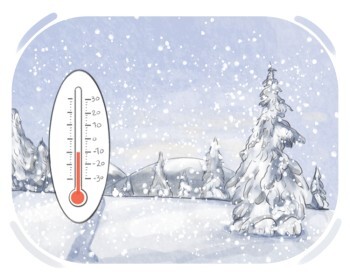
cold
cold
[Adjetivo]

having a temperature lower than the human body's average temperature

frío
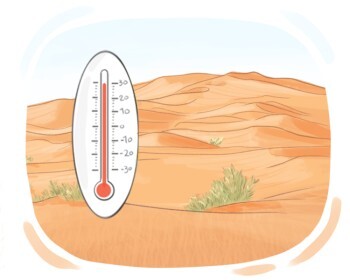
frío

Ex: She bundled up in a scarf and gloves to stay warm in the cold weather. 
hot
hot
[Adjetivo]

having a higher than normal temperature

caliente, caluroso

caliente, caluroso

Ex: The hot water in the shower helped me relax after a long day. 
again and again
again and again
[Adverbio]

repeatedly and frequently

una y otra vez, repetidamente

una y otra vez, repetidamente

Ex: The waves crashed again and again against the shore, a relentless rhythm. 

Las olas chocaban una y otra vez contra la orilla, un ritmo implacable.

to study
to study
[Verbo]

to spend time to learn about certain subjects by reading books, going to school, etc.

estudiar

estudiar

Ex: They are studying for the science competition next month. 
often
often
[Adverbio]

on many occasions

a menudo

a menudo

Ex: The library is often quiet during weekdays. 
to rest
to rest
[Verbo]

to remain in a particular condition or state

permanecer, quedarse
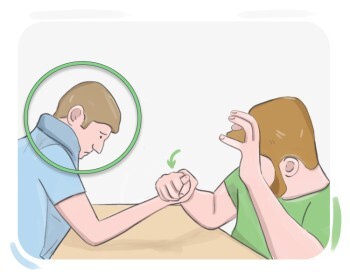
permanecer, quedarse

Ex: His reputation rests intact after years in the industry. 
weak
weak
[Adjetivo]

not strong or vigorous in body or movement

débil, frágil
débil, frágil

Ex: Her grip was weak after the surgery on her wrist. 
important
important
[Adjetivo]

having a lot of value

importante

importante

Ex: Freedom of speech is an important right in democratic societies. 

La libertad de expresión es un derecho importante en las sociedades democráticas.

to stay
to stay
[Verbo]

to remain in a particular place

quedarse

quedarse

Ex: We'll stay at the office to finish the project on time. 
warm
warm
[Adjetivo]

having a temperature that is high but not hot, especially in a way that is pleasant

cálido, caliente
cálido, caliente

Ex: The warm afternoon was perfect for a picnic in the park. 
place
place
[Sustantivo]

the part of space where someone or something is or they should be

lugar, sitio

lugar, sitio

Ex: I'm looking for a quiet place to study. 
to help
to help
[Verbo]

to make something easier, particularly by improving the situation

ayudar,  facilitar
ayudar, facilitar

Ex: This new software helps to organize tasks efficiently. 
better
better
[Adjetivo]

recovered from a physical or mental health problem completely or compared to the past

mejor

mejor

Ex: I hope you get better soon! 

¡Espero que te mejores pronto!

tea
tea
[Sustantivo]

a drink we make by soaking dried tea leaves in hot water

té
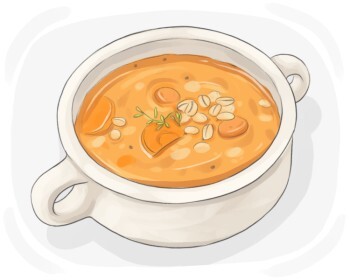
té

Ex: She brewed a pot of green tea and poured it over ice for a refreshing iced tea. 
soup
soup
[Sustantivo]

a liquid food made by cooking ingredients such as vegetables, meat, or fish in water or stock

sopa
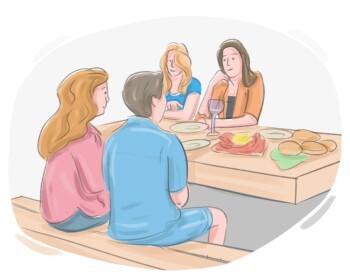
sopa

Ex: The kitchen smelled of freshly cooked chicken soup. 
to meet
to meet
[Verbo]

to come together as previously scheduled for social interaction or a prearranged purpose

encontrarse, reunirse
encontrarse, reunirse

Ex: We should meet at the theater before the movie starts. 
to keep
to keep
[Verbo]

to make someone or something stay or remain in a specific state, position, or condition

mantener, guardar
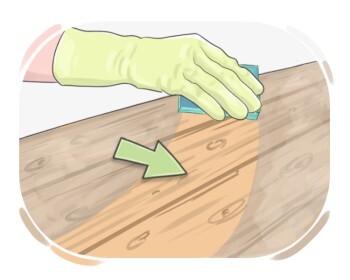
mantener, guardar

Ex: The teacher keeps the students engaged. 
clean
clean
[Adjetivo]

not having any bacteria, marks, or dirt

limpio, aseado
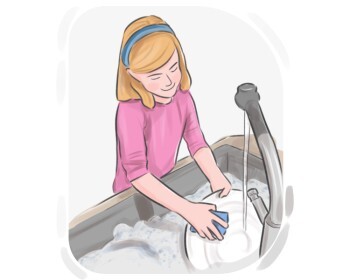
limpio, aseado

Ex: She used a clean sponge to wipe the kitchen counter. 
to wash
to wash
[Verbo]

to clean someone or something with water, often with a type of soap

lavar

lavar

Ex: I usually wash my car at the car wash. 
to cover
to cover
[Verbo]

to put something over something else in a way that hides or protects it

cubrir, tapar

cubrir, tapar

Ex: He decided to cover his plants with a tarp to protect them from the impending frost. 
mouth
mouth
[Sustantivo]

our body part that we use for eating, speaking, and breathing

boca
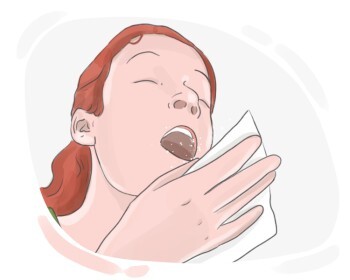
boca

Ex: He tasted the delicious cake, savoring the flavors in his mouth. 
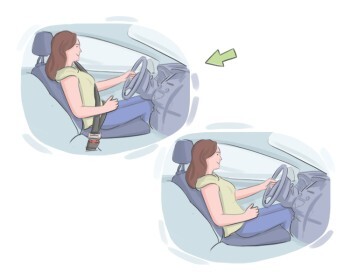
to sneeze
to sneeze
[Verbo]

to blow air out of our nose and mouth in a sudden way

estornudar

estornudar

Ex: If you sneeze into your hand, remember to wash it afterwards. 

Si estornudas en tu mano, recuerda lavarla después.
safe
safe
[Adjetivo]

protected from any danger

sin peligro, seguro

sin peligro, seguro

Ex: The secure vault kept the valuable documents safe from theft. 
a few
a few
[Determinante]

used to indicate a small number of items, people, or things

algunos, unos pocos

algunos, unos pocos

Ex: He has a few friends coming over to watch the game tonight. 

Tiene algunos amigos que vienen a ver el juego esta noche.

some
some
[Determinante]

used to indicate a portion, however small, of a group or quantity

algunos, unos

algunos, unos

Ex: She spoke some Italian on the trip. 

Ella habló algo de italiano en el viaje.
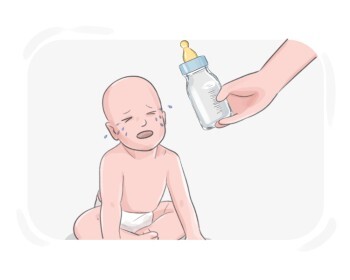
to need
to need
[Verbo]

to want something or someone that we must have if we want to do or be something

necesitar
necesitar

Ex: She needs a ride to the airport tomorrow. 
care
care
[Sustantivo]

the act of providing treatment and paying attention to the physical and emotional needs of someone or something

asistencia, atención

asistencia, atención

Ex: The organization provides palliative care to terminally ill patients, offering comfort and support during their final days. 
Vocabulario clave para enfermedades comunes
FríoDolor de gargantaDolor de estómagoFiebre
Dolor de cabezaGripe
LanGeek
Descargar la aplicación LanGeek