pattern

Kluczowe słownictwo na temat powszechnych chorób - Grypa

Przegląd

Fiszki

formy

Pisownia

Test

Zacznij naukę
Key Vocabulary for Common Illnesses
flu
flu
[Rzeczownik]

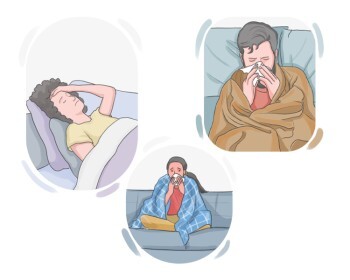
an infectious disease similar to a bad cold, causing fever and severe pain

grypa
grypa

Ex: After catching the flu, he realized the importance of getting vaccinated. 
illness
illness
[Rzeczownik]

the state of being physically or mentally sick

choroba, dolegliwość

choroba, dolegliwość

Ex: The patient was unable to recover from his illness. 
to make
to make
[Czasownik]

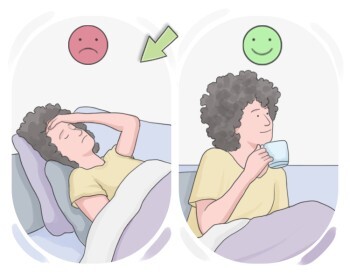
to cause someone or something to display or possess a specific quality, emotion, or state

robić, sprawiać
robić, sprawiać

Ex: His encouraging words made the team more confident. 
sick
sick
[przymiotnik]

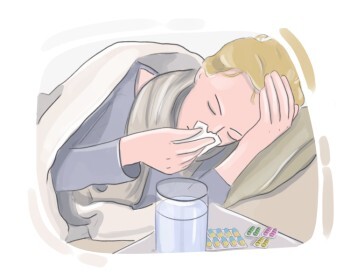
not in a good and healthy physical or mental state

chory, mdłości
chory, mdłości

Ex: I think the milk was bad; it made me sick. 
cold
cold
[Rzeczownik]

a mild disease that we usually get when viruses affect our body and make us cough, sneeze, or have fever

przeziębienie, katar
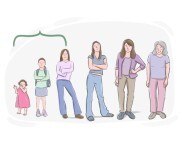
przeziębienie, katar

Ex: During winter, many people catch a cold. 
child
child
[Rzeczownik]

a young person who has not reached puberty or adulthood yet

dziecko, dzieciak
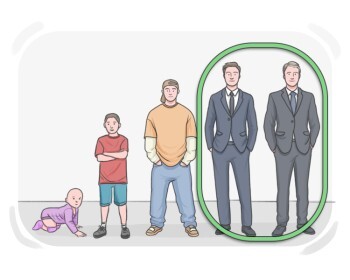
dziecko, dzieciak

Ex: As parents, we should prioritize the well-being and safety of our children at all times. 
adult
adult
[Rzeczownik]

a fully grown man or woman

dorosły, osoba dorosła
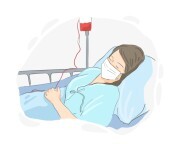
dorosły, osoba dorosła

Ex: Adults have the freedom to make their own decisions and choices. 
to get
to get
[Czasownik]

to catch a disease or an illness

złapać, zarazić się
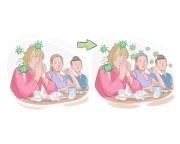
złapać, zarazić się

Ex: She got the flu after being exposed to the virus at work. 
to spread
to spread
[Czasownik]

to extend or increase in influence or effect over a larger area or group of people

rozprzestrzeniać, rozsiewać
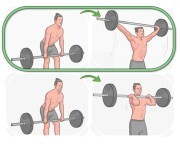
rozprzestrzeniać, rozsiewać

Ex: The flu virus can easily spread in crowded places. 
easily
easily
[przysłówek]

in a way that something is done without much trouble or exertion

łatwo, bez trudu
łatwo, bez trudu

Ex: She completed the marathon easily. 
person
person
[Rzeczownik]

one human

osoba, indywiduum

osoba, indywiduum

Ex: As a responsible person, it is important to be mindful of our impact on the environment. 
another
another
[Zaimki]

used to refer to an additional person or thing of the same type or kind as one already mentioned or implied

inny, kolejny
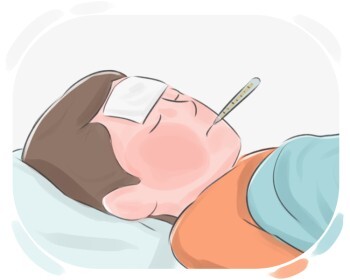
inny, kolejny

Ex: I already have one pen; could you lend me another? 
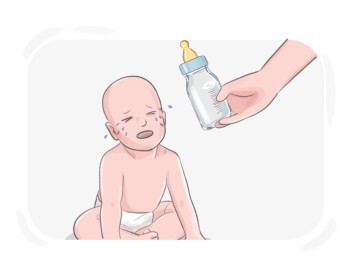
fever
fever
[Rzeczownik]

a condition when the body temperature rises, usually when we are sick

gorączka, temperatura
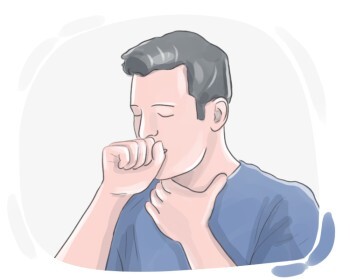
gorączka, temperatura

Ex: A fever is one of the common symptoms of the flu. 
to cough
to cough
[Czasownik]

to push air out of our mouth with a sudden noise

kasłać, dostać kaszlu
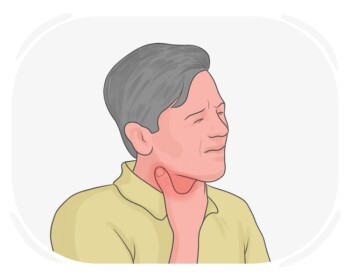
kasłać, dostać kaszlu

Ex: Don't cough into your hand; it's better to use a tissue. 
sore throat
sore throat
[Rzeczownik]

a condition when you feel pain in the throat, usually caused by bacteria or viruses

ból gardła

ból gardła

Ex: A sore throat is often the first sign of a cold. 
runny nose
runny nose
[Rzeczownik]

a condition in which the nose produces an excessive amount of fluid or mucus, often as a result of a cold or allergy

katar, wyciek z nosa
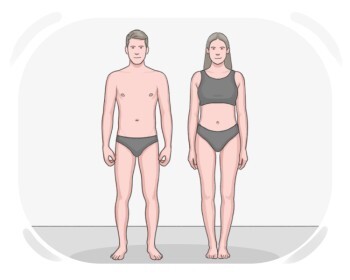
katar, wyciek z nosa

Ex: She stayed home because of her runny nose and sore throat. 
body
body
[Rzeczownik]

our or an animal's hands, legs, head, and every other part together

ciało, organizm
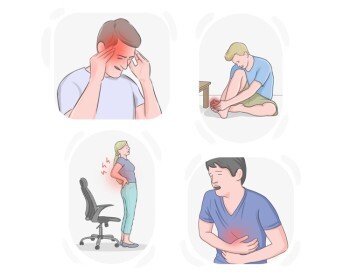
ciało, organizm

Ex: She enjoys yoga because it helps her connect with her body and find inner balance. 
to hurt
to hurt
[Czasownik]

to feel pain in a part of the body

boleć,  ranić
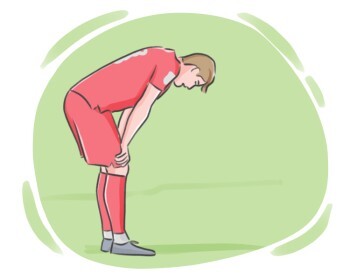
boleć, ranić

Ex: After the bee sting, the spot hurt for a few hours. 
tired
tired
[przymiotnik]

needing to sleep or rest because of not having any more energy

zmęczony,  wyczerpany
zmęczony, wyczerpany

Ex: After a long day at work, he felt extremely tired. 
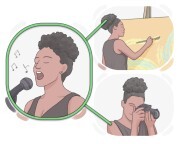
also
also
[przysłówek]

used to add another item, fact, or action to what has already been mentioned

również,  także
również, także

Ex: She teaches full-time and also runs her own business. 
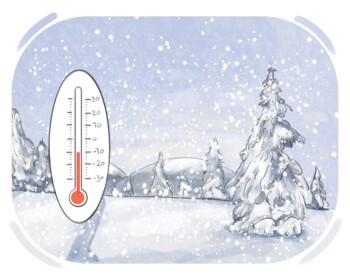
cold
cold
[przymiotnik]

having a temperature lower than the human body's average temperature

zimny, lodowaty
zimny, lodowaty

Ex: I prefer to drink cold water on a hot day. 
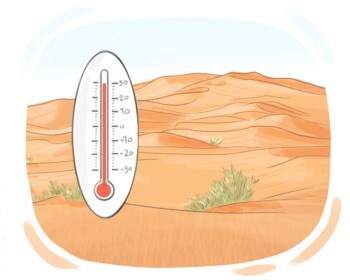
hot
hot
[przymiotnik]

having a higher than normal temperature

gorący, upalny

gorący, upalny

Ex: I turned on the air conditioner because it was getting too hot inside. 
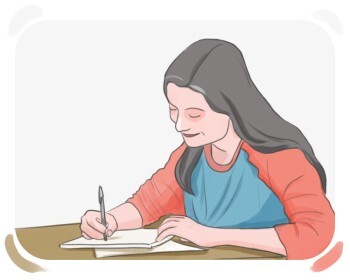
again and again
again and again
[przysłówek]

repeatedly and frequently

raz za razem, wielokrotnie
raz za razem, wielokrotnie

Ex: She checked her phone again and again, hoping for a message that never came. 
to study
to study
[Czasownik]

to spend time to learn about certain subjects by reading books, going to school, etc.

uczyć się

uczyć się

Ex: She spends hours every day to study for her upcoming exams. 
often
often
[przysłówek]

on many occasions

często, wielokrotnie

często, wielokrotnie

Ex: He often helps his neighbors with their chores. 
to rest
to rest
[Czasownik]

to remain in a particular condition or state

pozostać, utrzymywać się
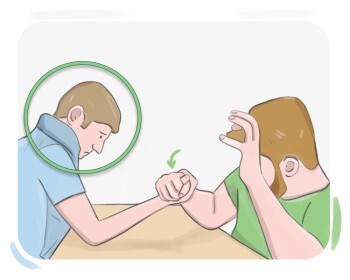
pozostać, utrzymywać się

Ex: Despite the storm, her confidence rested unshaken. 
weak
weak
[przymiotnik]

not strong or vigorous in body or movement

słaby, wątły
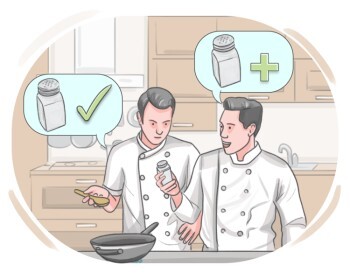
słaby, wątły

Ex: After several days without food, he felt too weak to stand. 
important
important
[przymiotnik]

having a lot of value

ważny, kluczowy
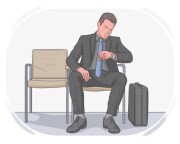
ważny, kluczowy

Ex: Conserving water is important for the sustainable use of natural resources. 
to stay
to stay
[Czasownik]

to remain in a particular place

pozostać, przebywać
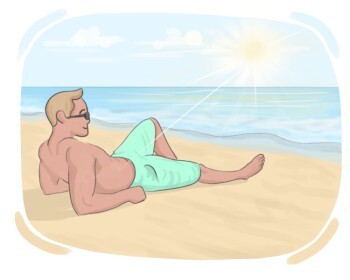
pozostać, przebywać

Ex: The weather is too unpredictable, so it's better to stay indoors. 
warm
warm
[przymiotnik]

having a temperature that is high but not hot, especially in a way that is pleasant

ciepły, letni
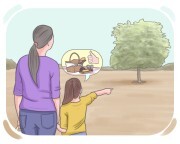
ciepły, letni

Ex: She dipped her feet in the warm sand on the beach. 
place
place
[Rzeczownik]

the part of space where someone or something is or they should be

miejsce,lokalizacja, a space or area

miejsce,lokalizacja, a space or area

Ex: I want to find a new place to eat dinner tonight. 
to help
to help
[Czasownik]

to make something easier, particularly by improving the situation

pomagać,  ułatwiać
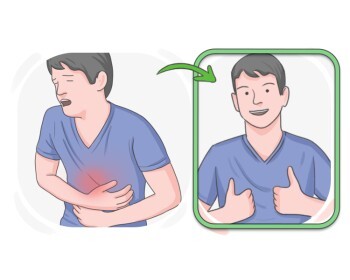
pomagać, ułatwiać

Ex: Seeking therapy can help improve mental health. 
better
better
[przymiotnik]

recovered from a physical or mental health problem completely or compared to the past

lepszy, wyzdrowiały
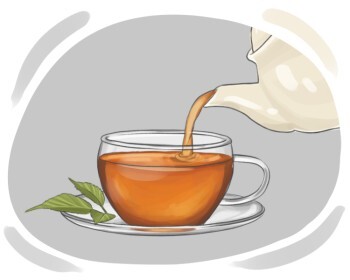
lepszy, wyzdrowiały

Ex: After using the medicine, I felt much better. 
tea
tea
[Rzeczownik]

a drink we make by soaking dried tea leaves in hot water

herbata, napar
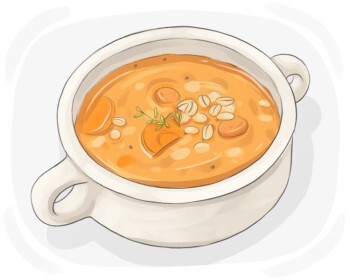
herbata, napar

Ex: He added a splash of milk to his black tea for a creamy and smooth taste. 
soup
soup
[Rzeczownik]

liquid food we make by cooking things like meat, fish, or vegetables in water

zupa, rosół
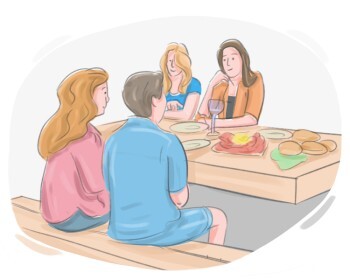
zupa, rosół

Ex: I always garnish my soup with a sprinkle of fresh herbs. 
to meet
to meet
[Czasownik]

to come together as previously scheduled for social interaction or a prearranged purpose

spotkać się, zebrać się
spotkać się, zebrać się

Ex: We will meet at the coffee shop for a chat tomorrow. 
to keep
to keep
[Czasownik]

to make someone or something stay or remain in a specific state, position, or condition

utrzymywać, zachowywać
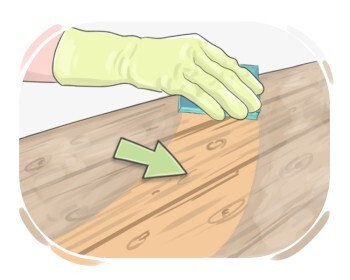
utrzymywać, zachowywać

Ex: She keeps her room tidy. 
clean
clean
[przymiotnik]

not having any bacteria, marks, or dirt

czysty, sterylny
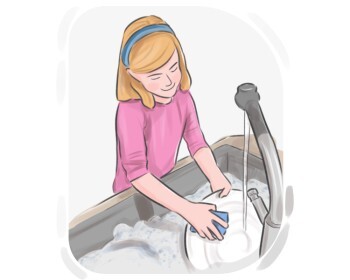
czysty, sterylny

Ex: He washed his hands to keep them clean. 
to wash
to wash
[Czasownik]

to clean someone or something with water, often with a type of soap

myć, czyścić
myć, czyścić

Ex: I always wash my hands before eating. 
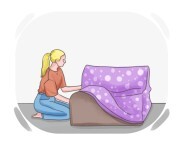
to cover
to cover
[Czasownik]

to put something over something else in a way that hides or protects it

zakryć, przykryć
zakryć, przykryć

Ex: She used a blanket to cover the delicate furniture during the move. 
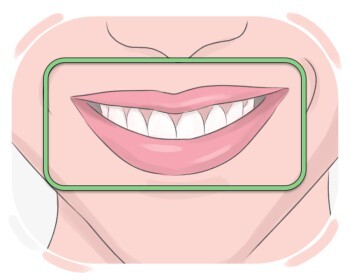
mouth
mouth
[Rzeczownik]

our body part that we use for eating, speaking, and breathing

usta
usta

Ex: He chewed his food with his mouth closed, showing good manners. 
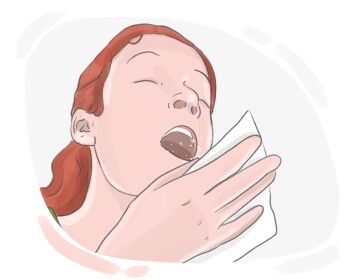
to sneeze
to sneeze
[Czasownik]

to blow air out of our nose and mouth in a sudden way

kichać, kichnąć
kichać, kichnąć

Ex: Don't forget to cover your mouth when you sneeze. 
safe
safe
[przymiotnik]

protected from any danger

bezpieczny, chroniony

bezpieczny, chroniony

Ex: The children are quite safe here, playing under the watchful eye of their parents. 
a few
a few
[określnik]

used to indicate a small number of items, people, or things

kilka, niewiele

kilka, niewiele

Ex: I have a few books to return to the library. 
some
some
[określnik]

used to indicate a portion, however small, of a group or quantity

niektóre, kilka
niektóre, kilka

Ex: Some books in the collection are rare. 
to need
to need
[Czasownik]

to want something or someone that we must have if we want to do or be something

potrzebować, wymagać
potrzebować, wymagać

Ex: Do you need any help with your project? 
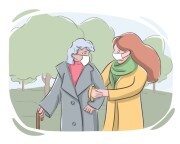
care
care
[Rzeczownik]

the act of providing treatment and paying attention to the physical and emotional needs of someone or something

opieka,  uwaga

opieka, uwaga

Ex: The elderly residents of the nursing home received compassionate care from the dedicated staff members. 
Kluczowe słownictwo na temat powszechnych chorób
ZimnoBól gardłaBól brzuchaGorączka
Ból głowyGrypa
LanGeek
Pobierz aplikację LanGeek