

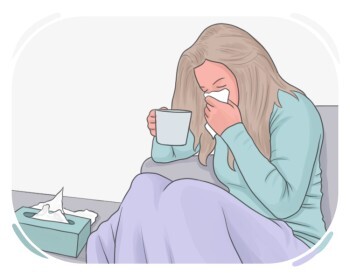
an infectious disease similar to a bad cold, causing fever and severe pain

chřipka
Nošení roušky může pomoci zabránit šíření chřipky.
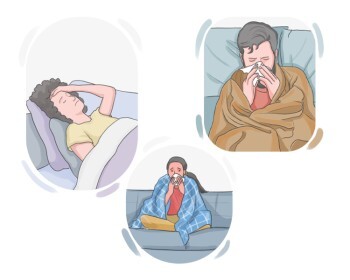
the state of being physically or mentally sick
nemoc, onemocnění
Byla mimo práci kvůli nemoci.

to cause someone or something to display or possess a specific quality, emotion, or state
udělat, způsobit
Náročný úkol může jednotlivce učinit úzkostnými.
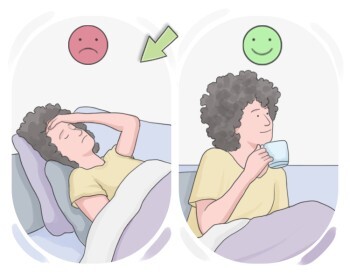
not in a good and healthy physical or mental state
nemocný, nevolno
Byla tak nemocná, že zmeškala výlet.
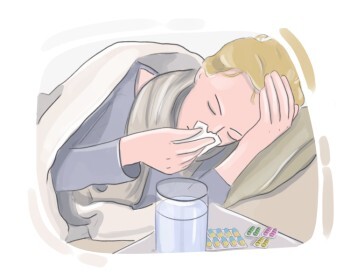
a mild disease that we usually get when viruses affect our body and make us cough, sneeze, or have fever
nachlazení, rýma
Nemohla jít do školy kvůli těžké nachlazení.
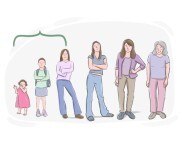
a young person who has not reached puberty or adulthood yet
dítě, dítě
Jako rodiče bychom měli vždy upřednostňovat blaho a bezpečnost našich dětí.
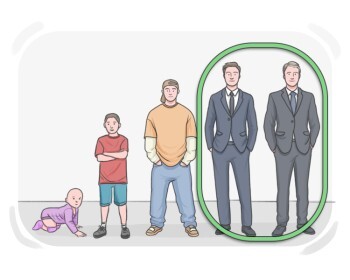
a fully grown man or woman
dospělý, dospělá osoba
Průzkum měl za cíl shromáždit zpětnou vazbu od dospělých i dětí.
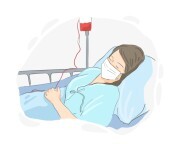
to catch a disease or an illness
chytit, nakazit se
Ona dostala chřipku poté, co byla vystavena viru v práci.
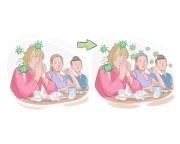
to extend or increase in influence or effect over a larger area or group of people
šířit, rozprostírat
Nový trend se rychle rozšířil mezi mladými lidmi.
in a way that something is done without much trouble or exertion
snadno, bez námahy
Tým vyhrál zápas snadno.
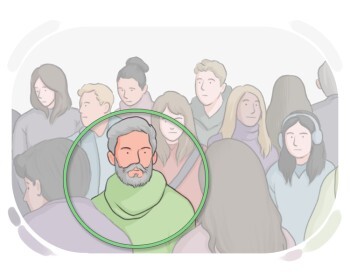
one human
osoba, jedinec
Jako odpovědná osoba je důležité být si vědom svého dopadu na životní prostředí.
used to refer to an additional person or thing of the same type or kind as one already mentioned or implied
další, jiný
Už mám jedno pero; mohl byste mi půjčit ještě jedno?
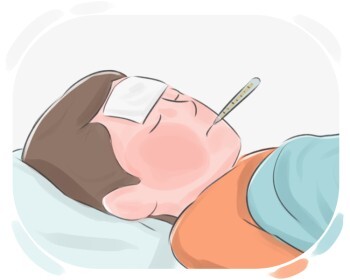
a condition when the body temperature rises, usually when we are sick
horečka, teplota
Po vystavení viru se u ní rozvinula horečka.
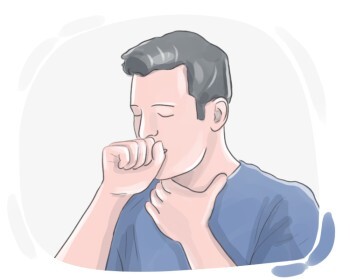
to push air out of our mouth with a sudden noise
kašlat, dostat kašel
Když během svého projevu začal kašlat, někdo mu nabídl sklenici vody.
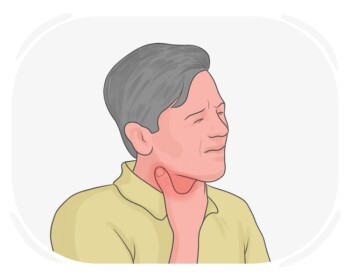
a condition when you feel pain in the throat, usually caused by bacteria or viruses
bolest v krku
Vypila horký čaj s medem, aby uklidnila své bolest v krku.
a condition in which the nose produces an excessive amount of fluid or mucus, often as a result of a cold or allergy
rýma, rinorea
Studený vítr jí způsobil rýmu.
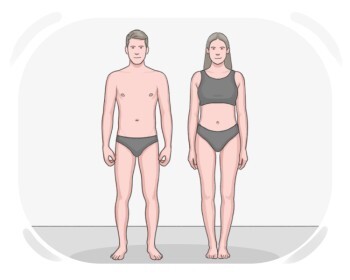
our or an animal's hands, legs, head, and every other part together
tělo, organismus
Ona si užívá jógu, protože jí pomáhá spojit se s jejím tělem a najít vnitřní rovnováhu.
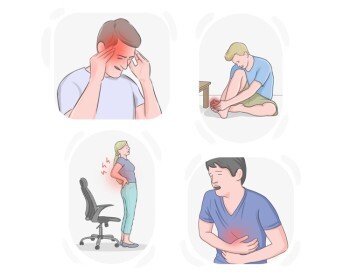
to feel pain in a part of the body
bolet, zraňovat
Když letadlo klesalo, bolely mě uši.
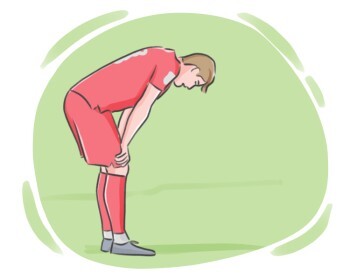
needing to sleep or rest because of not having any more energy
unavený, vyčerpaný
Batole bylo příliš unavené, aby dojedlo večeři.
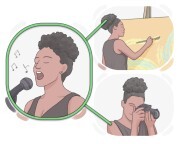
used to add another item, fact, or action to what has already been mentioned
také, navíc
Film byl zábavný a také podnětný.
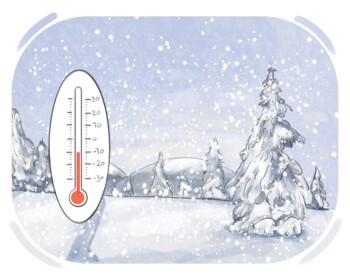
having a temperature lower than the human body's average temperature
studený, ledový
Kostky ledu udělaly nápoj osvěžujícím způsobem studený.
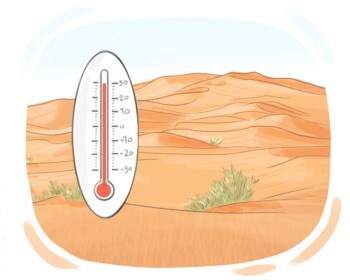
having a higher than normal temperature
horký, teplý
Polévka byla příliš horká, aby se dala hned jíst.
repeatedly and frequently
znovu a znovu, opakovaně
Píseň hrála znovu a znovu v rádiu a stala se otravně známou.
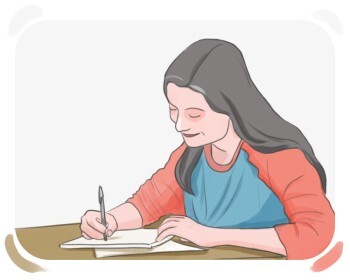
to spend time to learn about certain subjects by reading books, going to school, etc.
studovat
Každý den tráví hodiny učením na své nadcházející zkoušky.

on many occasions
často, mnohokrát
Často navštěvuje kulturní akce ve městě.
to remain in a particular condition or state
zůstat, setrvat
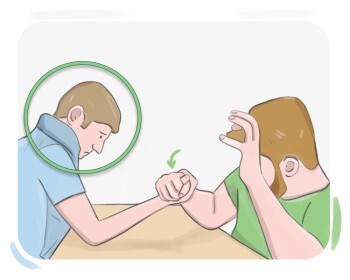
not strong or vigorous in body or movement
slabý, křehký
Mluvila slabým hlasem, který byl sotva slyšitelný.
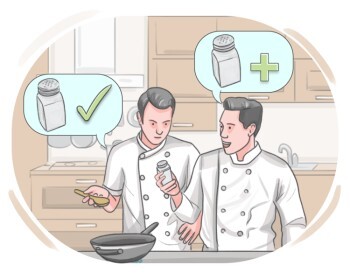
having a lot of value
důležitý, rozhodující
Šetření vodou je důležité pro udržitelné využívání přírodních zdrojů.
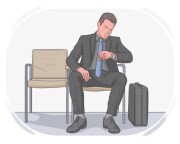
to remain in a particular place
zůstat, pobývat
Počasí je příliš nepředvídatelné, takže je lepší zůstat uvnitř.
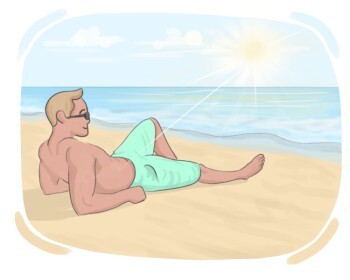
having a temperature that is high but not hot, especially in a way that is pleasant
teplý, vlažný
Užili si teplý letní večer u táboráku.
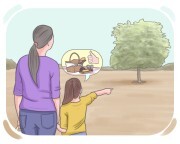
the part of space where someone or something is or they should be
místo,prostor, a space or area
Chci dnes večer najít nové místo k večeři.
to make something easier, particularly by improving the situation
pomáhat, usnadňovat
Hledání terapie může pomoci zlepšit duševní zdraví.
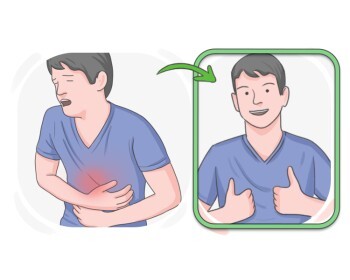
recovered from a physical or mental health problem completely or compared to the past
lepší, uzdravený
Čerstvý vzduch jí okamžitě udělal lépe.
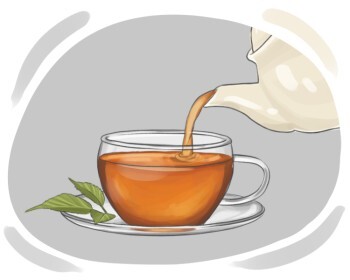
a drink we make by soaking dried tea leaves in hot water
čaj, nálev
Nabídl svým hostům čaj s sušenkami.
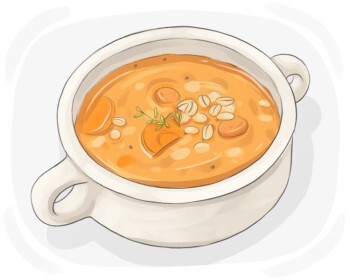
liquid food we make by cooking things like meat, fish, or vegetables in water
polévka, vývar
Polévka byla tak výborná, že jsem si dal dvě porce.
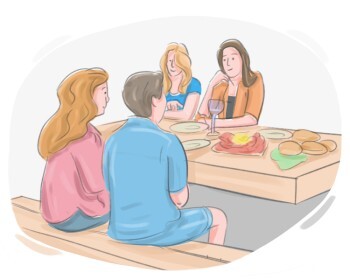
to come together as previously scheduled for social interaction or a prearranged purpose
setkat se, sejít se
Zítra se sejdeme v kavárně na povídání.
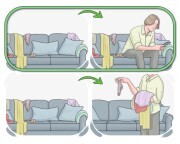
to make someone or something stay or remain in a specific state, position, or condition
udržovat, uchovávat
Ona udržuje svůj pokoj uklizený.
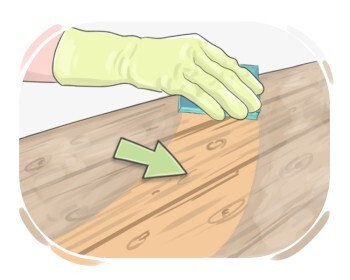
not having any bacteria, marks, or dirt
čistý, sterilní
Hotelový pokoj byl čistý a bez poskvrny.
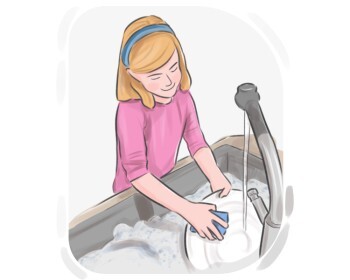
to clean someone or something with water, often with a type of soap
mýt, čistit
Měli bychom umýt zeleninu před vařením.
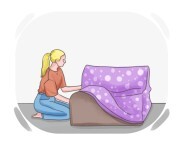
to put something over something else in a way that hides or protects it
zakrýt, přikrýt
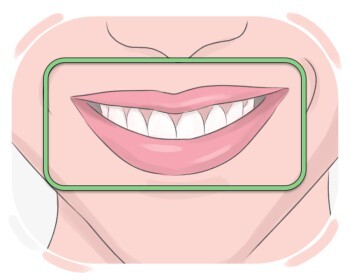
our body part that we use for eating, speaking, and breathing
ústa
Otevřela ústa dokořán, aby se zakousla do šťavnatého jablka.
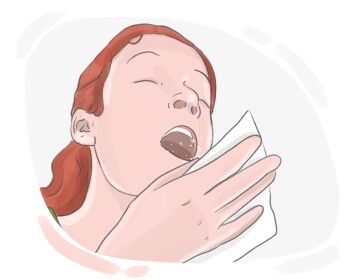
to blow air out of our nose and mouth in a sudden way
kýchat, kýchat
Kdykoli utírám prach v domě, hodně kýchám.
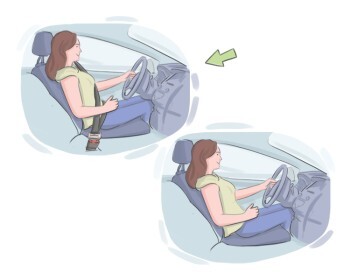
protected from any danger
bezpečný, chráněný
Poté, co bouře přešla, cítili se v bezpečí, aby se vrátili do svých domovů a posoudili škody.
used to indicate a small number of items, people, or things
několik, pár
Mám pár knih, které musím vrátit do knihovny.
used to indicate a portion, however small, of a group or quantity
některé, pár
Odpověděl správně na některé otázky.
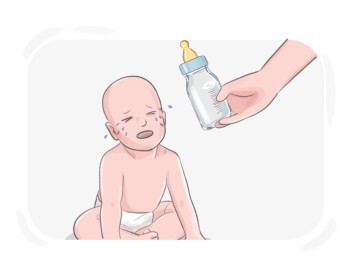
to want something or someone that we must have if we want to do or be something
potřebovat, vyžadovat
Potřebujete pomoc s vaším projektem?
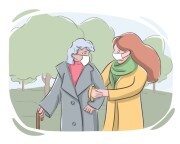
the act of providing treatment and paying attention to the physical and emotional needs of someone or something
péče, pozornost
| Klíčová slovní zásoba pro běžná onemocnění | |||
|---|---|---|---|
| Chladno | Bolest v krku | Bolest břicha | Horečka |
| Bolest hlavy | Chřipka | ||
