
Список Слов Уровня A2 - Дом
Здесь вы выучите некоторые английские слова, связанные с домом, такие как "почтовый ящик", "коридор" и "лестница", подготовленные для учащихся уровня A2.
Обзор
Флэш-карточки
Правописание
Тест

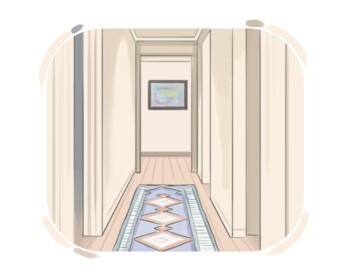
a passage that is inside a house or building with rooms on both side

зал
Его туфли были аккуратно расставлены в коридоре.
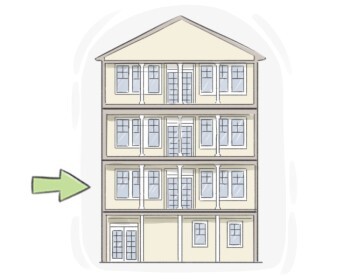
one of the many floors that are in a building
этаж
Детский отдел находится на третьем этаже библиотеки.
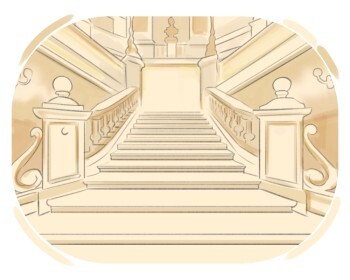
a series of steps connecting two floors of a building, particularly built inside a building
лестница
Он поднялся по лестнице, чтобы добраться до второго этажа.
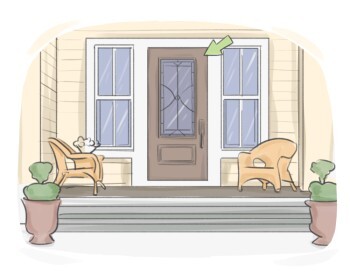
an opening like a door, gate, or passage that we can use to enter a building, room, etc.
вход
Пожалуйста, жди меня у входа в музей.
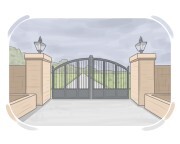
the part of a fence or wall outside a building that we can open and close to enter or leave a place
ворота
Она ждала его у ворот школы.
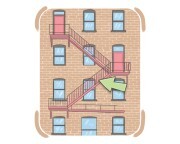
a special way used to exit a building, car, etc. when a problem happens
аварийный выход
Всегда знайте расположение ближайшего аварийного выхода.
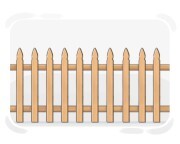
a structure like a wall, made of wire, wood, etc. that is placed around an area or a piece of land
забор
Она оперлась на забор и наблюдала за закатом.
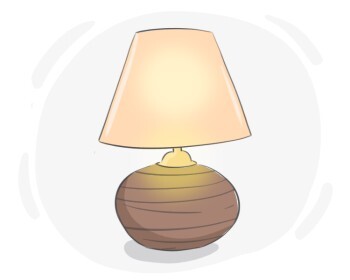
an object or device that produces brightness, often an electronic item like a lamp
лампа
Можешь включить свет?
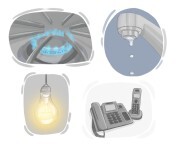
a service that is provided to the public, such as electricity, water, or gas, which is used in daily life
коммунальное хозяйство
Зимой затраты на коммунальные услуги растут из-за увеличенного использования отопления.
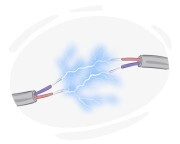
a source of power used for lighting, heating, and operating machines
электроэнергия
Во время шторма мы остались без электричества на несколько часов.

a flammable gas used mainly as a fuel
газ
Газ часто дешевле электричества для отопления домов.
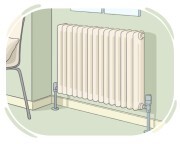
the method or system used to warm a building and keep it comfortable inside, such as central heating, radiators, etc.
отопление
Старый дом полагался на газовое отопление, обеспечивая тепло в течение зимних месяцев.

a system that delivers television programming via coaxial or fiber-optic cables
ТВ-кабель
Наша квартира подключена к кабельному сервису.
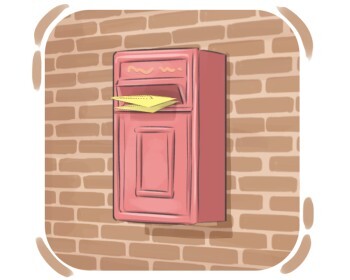
a box outside the house were letters and packages are put
почтовый ящик
Каждый день я проверяю почтовый ящик на наличие письма, которое жду.
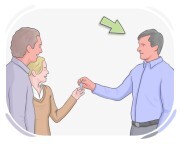
a person or a company who rents a room, house, building, etc. to someone else
домовладелец
Перед переездом вы должны уведомить своего арендодателя.
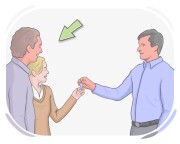
someone who pays rent to live in someone else's house, room, etc.
арендатор
Как арендатор, он обязан содержать квартиру в чистоте.

an agreement in which we agree to pay rent to use someone else's house, room, etc.
аренда
Я не уверен в условиях аренды относительно шума после 10 вечера.
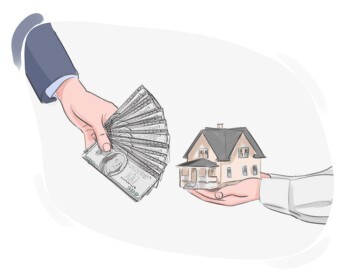
to pay someone to use something such as a car, house, etc. for a period of time
арендовать
Она решила снять квартиру в городе, работая там в течение года.
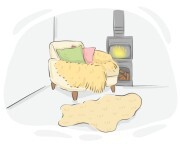
(of a place) relaxing and comfortable, particularly because of the warmth or small size of the place
уютный
Мне нравится сидеть в моем уютном кресле с хорошей книгой.
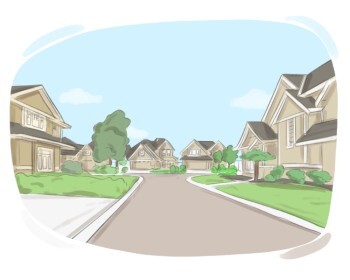
an area or district of a town or city that forms a community
микрорайон, район
Я вырос в маленьком сельском районе за городом.

to have your home somewhere specific
жить
Она предпочитает жить в тихой сельской местности вдали от многолюдных городов.
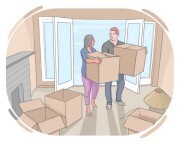
to begin to live in a new house or work in a new office
въезжать
Мой сосед по комнате переедет на следующей неделе, когда закончится его аренда.
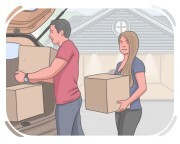
to change the place we live or work
съезжать
Он был взволнован, но нервничал из-за того, что впервые переезжал.
