
Фундаментальные Науки - Метеорология и Солнечная система
Изучите термины, связанные с атмосферными слоями, движением планет, метеорами, метеоритами и планетами Солнечной системы.
Обзор
Флэш-карточки
Правописание
Тест
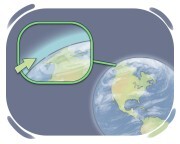
the layer of gases surrounding a planet, held in place by gravity

атмосфера

a part of planet where the air, land, and water are suitable for all the living things to exist on
биосфера
Биосфера включает в себя все экосистемы на Земле.
the atmospheric layer above the troposphere, where temperature generally increases with altitude and the ozone layer is situated
стратосфера, стратосферный слой
Стратосфера содержит озоновый слой, который имеет решающее значение для поглощения и блокирования вредного ультрафиолетового излучения.
the atmospheric layer above the mesosphere, where temperatures increase with altitude and it extends to the exosphere
термосфера, тепловой слой
Термосфера — это место, где Международная космическая станция (МКС) и многие спутники вращаются вокруг Земли.
the lowest layer of Earth's atmosphere, extending from the surface up to an average altitude of about 8-15 kilometers
тропосфера, нижний слой атмосферы Земли
Тропосфера — это место, где происходят большинство погодных явлений, таких как облака, дождь и штормы.
a layer in the upper atmosphere containing ions and free electrons, affecting radio communication and contributing to auroras
ионосфера, ионизированный слой атмосферы
Ионосфера отражает радиоволны, позволяя осуществлять дальнюю связь, отражая сигналы от этого атмосферного слоя.
the atmospheric layer above the stratosphere, where temperatures decrease with altitude and it extends up to the mesopause
мезосфера, мезосферный слой
Мезосфера — это слой, где метеориты сгорают при входе в атмосферу Земли.
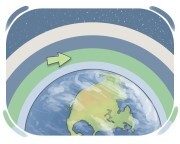
a layer of gases in the earth's atmosphere that does not let the sun's ultraviolet radiation pass through
озоновый слой
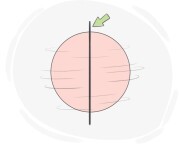
the central point or line around which an object turns
ось
Земля вращается вокруг своей оси один раз каждые двадцать четыре часа.
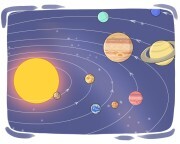
to move around a star, planet, or a large object in space
двигаться по орбите
Луна вращается вокруг Земли каждые 27,3 дня.
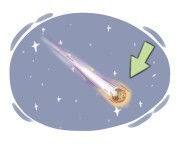
a piece of rock coming from outer space that passes through the Earth's atmosphere, producing light
метеор
Мы видели яркий метеор, прочертивший небо во время метеорного дождя прошлой ночью.
a piece of rock or metal from space that has hit the surface of the earth
метеорит
Ученые проанализировали состав метеорита, упавшего в пустыне в прошлом месяце.
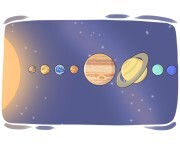
the sun and the group of planets orbiting around it, including the earth
солнечная система
Земля — одна из восьми планет Солнечной системы.
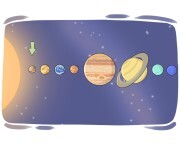
the 1st and smallest planet in the solar system which is the closest to the sun
Меркурий
Миссии космических аппаратов Mariner 10 и MESSENGER предоставили ценные данные о составе поверхности и магнитном поле Меркурия.

the 2nd planet of the solar system located between Mercury and earth
Венера
Густая атмосфера Венеры в основном состоит из углекислого газа, вызывая неуправляемый парниковый эффект, который делает её самой горячей планетой в солнечной системе.
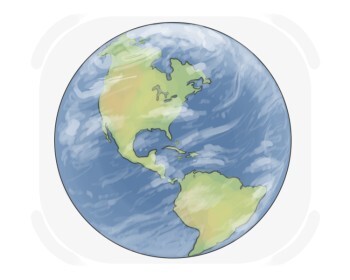
a big round mass covered in land and water, on which we all live
земля

the 4th planet of the solar system located between earth and Jupiter
Марс
Марсоход NASA Perseverance в настоящее время исследует Марс, в поисках признаков древней микробной жизни.
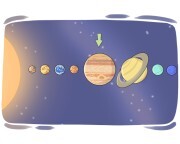
the 5th and the largest planet of the solar system located between Mars and Saturn
Юпитер
Юпитер — пятая планета от солнца в солнечной системе.
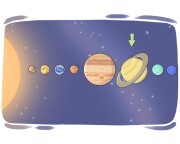
the 6th planet of the solar system located between Jupiter and Uranus, which has rings around it
Сатурн
Космический аппарат Кассини предоставил детальные изображения и данные о кольцах, спутниках и атмосферных условиях Сатурна в ходе своей миссии с 2004 по 2017 год.
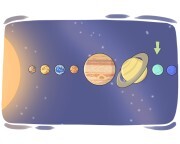
the 7th planet of the solar system with a blue-green color located between Saturn and Neptune
Уран
Космический аппарат «Вояджер-2» пролетел мимо Урана в 1986 году, предоставив первые крупные изображения и данные о его кольцах и спутниках.
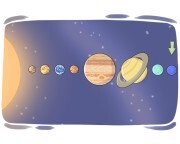
the 8th planet of the solar system with a ring of icy particles around it
Нептун
Астрономы наблюдали слабые кольца Нептуна, которые состоят из темных частиц и трудно обнаруживаются с Земли.
