pattern

Начинающих 1 - Времена года и недели

Здесь вы выучите некоторые английские слова о временах года и неделе, такие как "весна", "зима" и "среда", подготовленные для студентов начального уровня.

Обзор

Флэш-карточки

формы

Правописание

Тест

Начать учиться
Starters 1
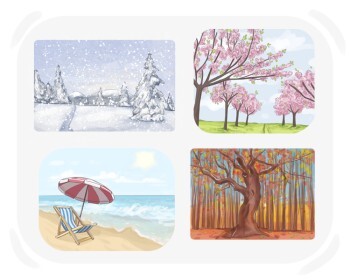
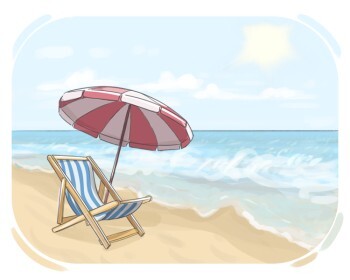
season
season
[существительное]

a period of time that a year is divided into, such as winter and summer, with each having three months

время года

время года

Ex: Winter is the perfect season to build snowmen and have snowball fights .

Зима — идеальное время года для строительства снеговиков и снежных боёв.

Закрыть
Войти
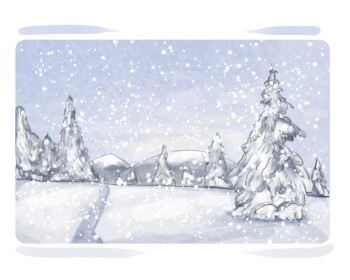
winter
winter
[существительное]

the season that comes after fall and in most countries winter is the coldest season

зима

зима

Ex: Winter is the time when people celebrate holidays like Christmas and New Year 's .

Зима — это время, когда люди празднуют такие праздники, как Рождество и Новый год.

Закрыть
Войти
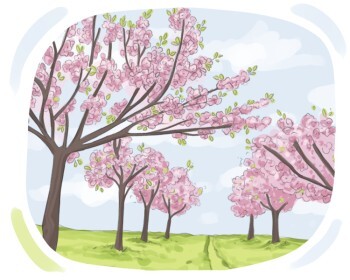
spring
spring
[существительное]

the season that comes after winter, when in most countries the trees and flowers begin to grow again

весна

весна

Ex: The spring semester at school starts in January and ends in May , with a break for spring break in March .

Весенний семестр в школе начинается в январе и заканчивается в мае, с перерывом на весенние каникулы в марте.

Закрыть
Войти
summer
summer
[существительное]

the season that comes after spring and in most countries summer is the warmest season

лето

лето

Ex: Summer is the season for outdoor concerts and festivals .

Лето - это сезон для концертов и фестивалей на открытом воздухе.

Закрыть
Войти
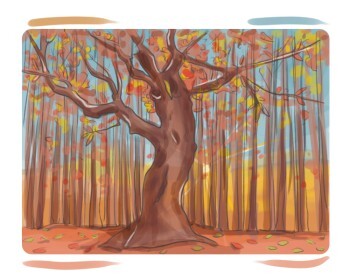
fall
fall
[существительное]

the season that comes after summer, when in most countries the color of the leaves change and they fall from the trees

осень
осень

Ex: The sound of crunching leaves underfoot is a characteristic of the fall season .

Звук хрустящих под ногами листьев — это характерная черта осени.

Закрыть
Войти
week
week
[существительное]

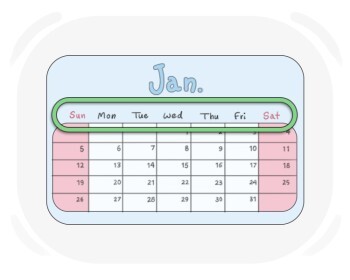
a period of time that is made up of seven days in a calendar

неделя
неделя

Ex: The week is divided into seven days .

Неделя делится на семь дней.

Закрыть
Войти
Sunday
Sunday
[существительное]

‌the day that comes after Saturday

Воскресенье

Воскресенье

Ex: We often have a picnic in the park on sunny Sundays.

Мы часто устраиваем пикник в парке в солнечные воскресенья.

Закрыть
Войти
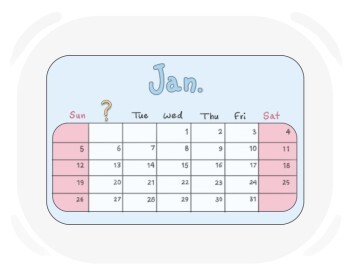
Monday
Monday
[существительное]

‌the day that comes after Sunday

Понедельник

Понедельник

Ex: Mondays can be busy, but I like to stay organized and focused.

Понедельники могут быть напряженными, но я люблю оставаться организованным и сосредоточенным.

Закрыть
Войти
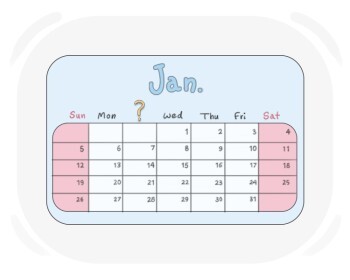
Tuesday
Tuesday
[существительное]

‌the day that comes after Monday

Вторник

Вторник

Ex: Tuesdays usually are my busiest days at work.

Вторники обычно самые загруженные дни на работе.

Закрыть
Войти
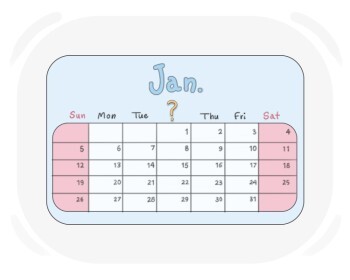
Wednesday
Wednesday
[существительное]

‌the day that comes after Tuesday

Среда

Среда

Ex: Wednesday is the middle of the week .

Среда — это середина недели.

Закрыть
Войти
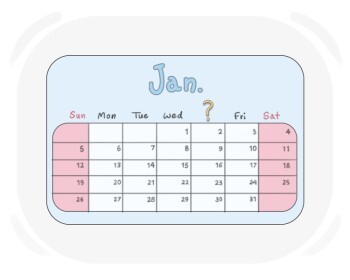
Thursday
Thursday
[существительное]

‌the day that comes after Wednesday

Четверг

Четверг

Ex: Thursday is the day after Wednesday and before Friday .

Четверг — это день после среды и перед пятницей.

Закрыть
Войти
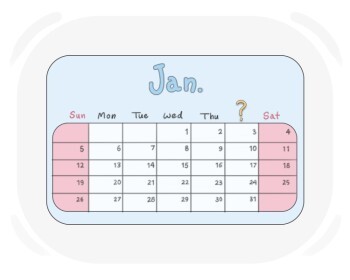
Friday
Friday
[существительное]

‌the day that comes after Thursday

Пятница

Пятница

Ex: We have a meeting scheduled for Friday afternoon , where we will discuss the progress of the project .

У нас запланирована встреча в пятницу днем, где мы обсудим прогресс проекта.

Закрыть
Войти
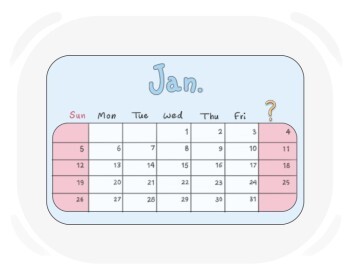
Saturday
Saturday
[существительное]

‌the day that comes after Friday

Суббота

Суббота

Ex: Saturdays are when I plan and prepare meals for the upcoming week.

Субботы — это время, когда я планирую и готовлю еду на предстоящую неделю.

Закрыть
Войти
weekend
weekend
[существительное]

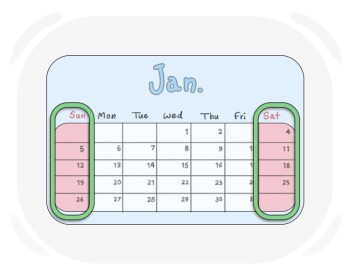
the days of the week, usually Saturday and Sunday, when people do not have to go to work or school

выходной день

выходной день

Ex: Weekends are when I can work on personal projects .

Выходные - это когда я могу работать над личными проектами.

Закрыть
Войти
LanGeek
Скачать приложение LanGeek