pattern

Книга Four Corners 3 - Раздел 1 Урок A

Здесь вы найдете словарь из Урока 1 Урока А в учебнике Four Corners 3, такие как "обществознание", "алгебра", "неполный рабочий день" и т.д.

Обзор

Флэш-карточки

формы

Правописание

Тест

Начать учиться
Four Corners 3
education
education
[существительное]

the process that involves teaching and learning, particularly at a school, university, or college

образование, обучение

образование, обучение

Ex: She pursued higher education by attending a prestigious university. 

Она продолжила высшее образование, поступив в престижный университет.
Закрыть
Войти
school
school
[существительное]

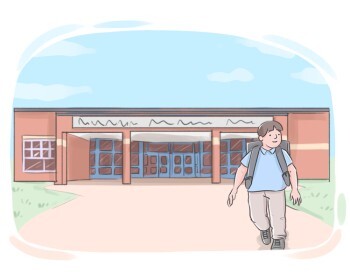
a place where children learn things from teachers

школа
школа

Ex: The children walk to school every morning. 
Закрыть
Войти
subject
subject
[существительное]

a branch or an area of knowledge that we study at a school, college, or university

предмет
предмет

Ex: Math was always my favorite subject at school. 
Закрыть
Войти
art
art
[существительное]

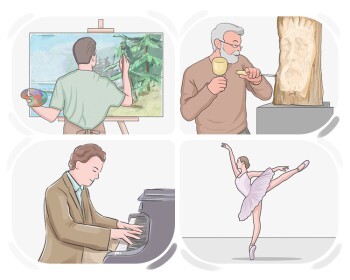
the use of creativity and imagination to express emotions and ideas by making things like paintings, sculptures, music, etc.

искусство

искусство

Ex: She has always been interested in art and design. 
Закрыть
Войти
art class
art class
[существительное]

a class that teaches students how to paint or draw

художественный класс, арт-класс

художественный класс, арт-класс

Ex: She enrolled in an art class to improve her painting skills. 

Она записалась на урок искусства, чтобы улучшить свои навыки рисования.
Закрыть
Войти
science
science
[существительное]

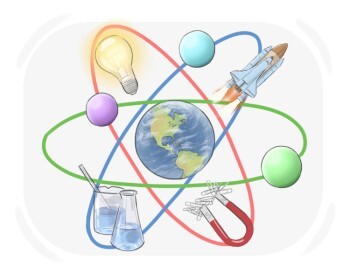
knowledge about the structure and behavior of the natural and physical world, especially based on testing and proving facts

наука

наука

Ex: Science helps us understand how the natural world works. 
Закрыть
Войти
social studies
social studies
[существительное]

a course study that deals with how societies work and the way people form relationships in a society

социальные исследования

социальные исследования

Ex: We studied the economic systems of various countries in social studies to understand how they affect people's lives. 

Мы изучали экономические системы различных стран на уроках обществознания, чтобы понять, как они влияют на жизнь людей.
Закрыть
Войти
algebra
algebra
[существительное]

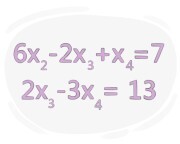
a branch of mathematics in which abstract letters and symbols represent numbers in order to generalize the arithmetic

алгебра

алгебра

Ex: In high school, students typically begin studying algebra to learn about equations and variables. 

В старшей школе ученики обычно начинают изучать алгебру, чтобы узнать об уравнениях и переменных.

Закрыть
Войти
biology
biology
[существительное]

the scientific study of living organisms; the science that studies living organisms

биология

биология

Ex: She developed a keen interest in biology and decided to pursue a career in medicine. 

Она проявила живой интерес к биологии и решила сделать карьеру в медицине.
Закрыть
Войти
chemistry
chemistry
[существительное]

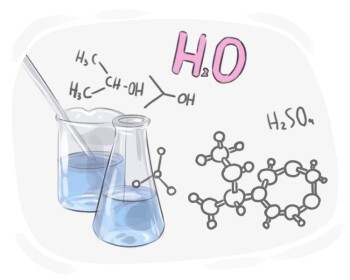
the science that studies the composition, properties, and reactions of substances

химия

химия

Ex: Rachel studied chemistry in college before becoming a pharmacist. 
Закрыть
Войти
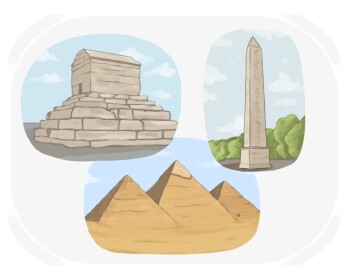
geometry
geometry
[существительное]

the branch of mathematics that deals with the relation between the lines, angles and surfaces or the properties of the space

геометрия

геометрия

Ex: She studied geometry to understand the principles of shapes and angles. 

Она изучала геометрию, чтобы понять принципы форм и углов.
Закрыть
Войти
history
history
[существительное]

the study of past events, especially as a subject in school or university

история

история

Ex: History was my favorite subject at school. 
Закрыть
Войти
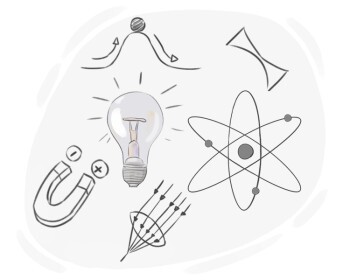
music
music
[существительное]

the art or science of creating or performing sounds, including melody, harmony, and rhythm

музыка
музыка

Ex: She has been interested in music since childhood. 
Закрыть
Войти
physics
physics
[существительное]

the science that studies matter, energy, motion, forces, and their interactions

физика

физика

Ex: Emma decided to study physics at university. 
Закрыть
Войти
world
world
[существительное]

the planet earth, where we all live

мир

мир

Ex: People travel all over the world. 
Закрыть
Войти
geography
geography
[существительное]

the study of Earth's physical features, environments, populations, and the ways people and places relate to one another

география

география

Ex: Emma studied geography at college before becoming a teacher. 
Закрыть
Войти
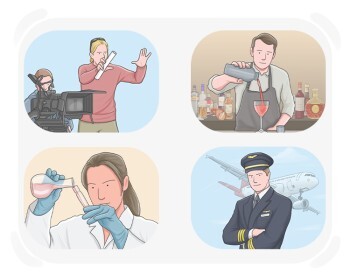
part-time
part-time
[прилагательное]

working or employed for only part of the usual working hours or workweek

неполный рабочий день
неполный рабочий день

Ex: He accepted a part-time teaching position at the college. 
Закрыть
Войти
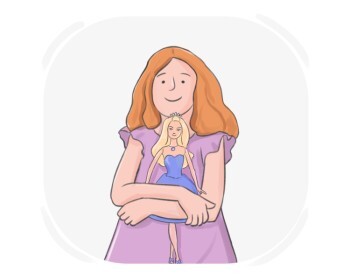
job
job
[существительное]

the work that we do regularly to earn money

работа
работа

Ex: She found a new job at a software company. 
Закрыть
Войти
to own
to own
[глагол]

to have something as for ourselves

владеть,  иметь
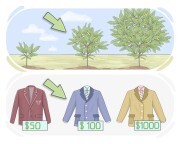
владеть, иметь

Ex: She currently owns a small business in the downtown area. 
Закрыть
Войти
pretty
pretty
[наречие]

to a degree that is high but not very high

довольно

довольно

Ex: I'm pretty tired after the long trip. 
Закрыть
Войти
full-time
full-time
[прилагательное]

done for the usual hours in a working day or week

полный рабочий день

полный рабочий день

Ex: After her internship, they offered her a full-time position. 

После стажировки ей предложили полную занятость.

Закрыть
Войти
to prepare
to prepare
[глагол]

to make a person or thing ready for doing something

готовить, подготавливать

готовить, подготавливать

Ex: He prepares his clothes the night before to save time in the morning. 
Закрыть
Войти
medical school
medical school
[существительное]

a college or a department in a university where students study medicine to become medical doctors

медицинская школа

медицинская школа

Ex: She has always dreamed of attending medical school to become a doctor. 

Она всегда мечтала поступить в медицинскую школу, чтобы стать врачом.

Закрыть
Войти
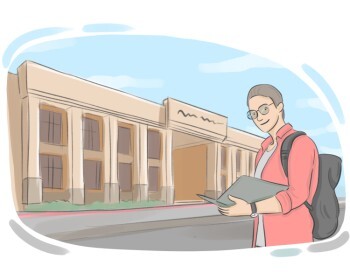
entrance examination
[существительное]

a test for admission to an educational institution or program

вступительный экзамен, экзамен для поступления

вступительный экзамен, экзамен для поступления

Ex: She prepared extensively for the entrance examination to increase her chances of being accepted into the prestigious university. 

Она тщательно готовилась к вступительному экзамену, чтобы увеличить свои шансы на поступление в престижный университет.
Закрыть
Войти
high school
high school
[существительное]

a secondary school typically including grades 9 through 12

старшая школа

старшая школа

Ex: High school is a pivotal time in a teenager's life, as it not only focuses on academic achievement but also on personal growth and social development. 

Старшая школа — это переломный момент в жизни подростка, поскольку она сосредоточена не только на академических достижениях, но и на личностном росте и социальном развитии.

Закрыть
Войти
student
student
[существительное]

a person who is studying at a school, university, or college

студент, ученик

студент, ученик

Ex: The student asked the teacher for help. 
Закрыть
Войти
actually
actually
[наречие]

used to emphasize a fact or the truth of a situation

на самом деле

на самом деле

Ex: It may sound like a cliché, but, actually, dreams can influence our emotions and thoughts. 

Это может звучать как клише, но, на самом деле, сны могут влиять на наши эмоции и мысли.

Закрыть
Войти
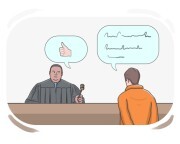
to take
to take
[глагол]

to study a particular subject in school, university, etc.

сдавать экзамен
сдавать экзамен

Ex: The university allows students to take up to 18 credit hours per semester to accommodate various academic interests. 
Закрыть
Войти
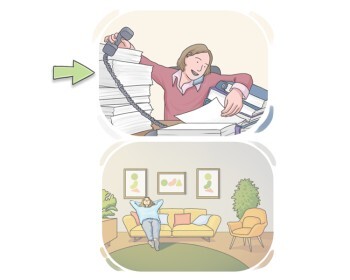
to believe
to believe
[глагол]

to accept something to be true even without proof

верить
верить

Ex: He believes everything he reads online. 
Закрыть
Войти
busy
busy
[прилагательное]

having so many things to do in a way that leaves not much free time

занятый

занятый

Ex: As a student, Jenny is always busy with assignments and exams. 
Закрыть
Войти
to have
to have
[глагол]

to hold or own something

иметь

иметь

Ex: I have my grandmother's old necklace. 
Закрыть
Войти
to hope
to hope
[глагол]

to want something to happen or be true

надеяться

надеяться

Ex: I hope you feel better soon. 
Закрыть
Войти
to know
to know
[глагол]

to have some information about something

знать
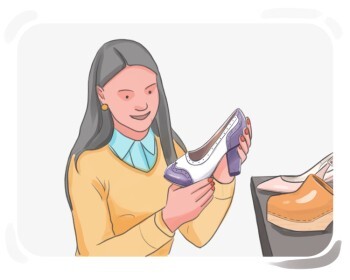
знать

Ex: She knows a lot about local history. 
Закрыть
Войти
to like
to like
[глагол]

to feel that someone or something is good, enjoyable, or interesting

нравиться

нравиться

Ex: I like this song a lot. 
Закрыть
Войти
to love
to love
[глагол]

to have very strong feelings for someone or something that is important to us and we like a lot and want to take care of

любить, обожать
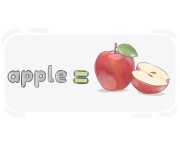
любить, обожать

Ex: She loves her children very much. 
Закрыть
Войти
to mean
to mean
[глагол]

to have a particular meaning or represent something

значить
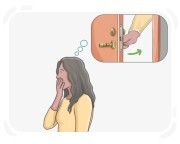
значить

Ex: A red light means that you should stop. 
Закрыть
Войти
to remember
to remember
[глагол]

to bring a type of information from the past to our mind again

запомнить

запомнить

Ex: I remember meeting her for the first time. 
Закрыть
Войти
schedule
schedule
[существительное]

a plan or timetable outlining the sequence of events or activities

расписание
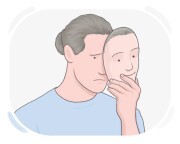
расписание

Ex: My schedule is very busy this week. 
Закрыть
Войти
to seem
to seem
[глагол]

to appear to be or do something particular

казаться
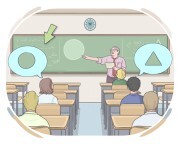
казаться

Ex: Choose whichever path seems right for you. 
Закрыть
Войти
to understand
to understand
[глагол]

to know something's meaning, particularly something that someone says

понимать
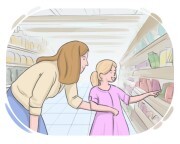
понимать

Ex: I don't understand what this word means. 
Закрыть
Войти
to want
to want
[глагол]

to wish to do or have something

хотеть

хотеть

Ex: I want a glass of water. 
Закрыть
Войти
mathematics
mathematics
[существительное]

the study of numbers and shapes that involves calculation and description

математика

математика

Ex: Can you explain this math concept to me? 

Можете объяснить мне этот концепт математики?

Закрыть
Войти
LanGeek
Скачать приложение LanGeek