
El libro Four Corners 3 - Unidad 1 Lección A
Aquí encontrarás el vocabulario de la Unidad 1 Lección A del libro de curso Four Corners 3, como "estudios sociales", "álgebra", "a tiempo parcial", etc.
Repasar
Tarjetas de memoria
Ortografía
Cuestionario

the process of teaching and learning, especially in schools, colleges, or universities

educación
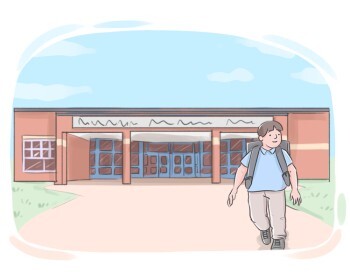
a place where children learn things from teachers
escuela, colegio
Ella toma el autobús para ir a la escuela todas las mañanas.
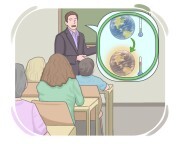
a branch or an area of knowledge that we study at a school, college, or university
asignatura
En la escuela secundaria, encontré que la química era una asignatura desafiante, pero perseveré y mejoré mis calificaciones.
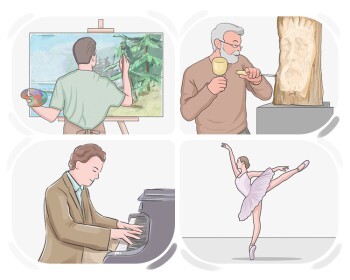
the use of creativity and imagination to express emotions and ideas by making things like paintings, sculptures, music, etc.
arte
Su arte de esculpir le permite expresar sus emociones más profundas.
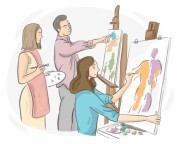
a class that teaches students how to paint or draw
clase de arte,curso de arte
Muchos estudiantes disfrutan del ambiente creativo de sus clases de arte.
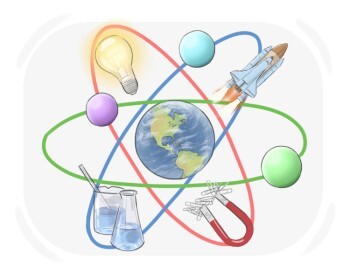
knowledge about the structure and behavior of the natural and physical world, especially based on testing and proving facts
ciencia
Ella aprende sobre las leyes de la física y las propiedades de la materia en sus clases de ciencia.

a course study that deals with how societies work and the way people form relationships in a society
ciencias sociales,estudios sociales
La excursión fue una gran manera de aplicar lo que aprendimos en estudios sociales sobre la historia local y el desarrollo comunitario.
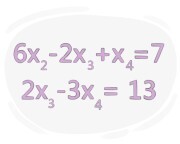
a branch of mathematics in which abstract letters and symbols represent numbers in order to generalize the arithmetic
álgebra
Álgebra es una base esencial para estudios matemáticos más avanzados como el cálculo y el álgebra lineal.

the scientific study of living organisms; the science that studies living organisms
biología
Su profesor de biología era reconocido por su investigación en ingeniería genética.
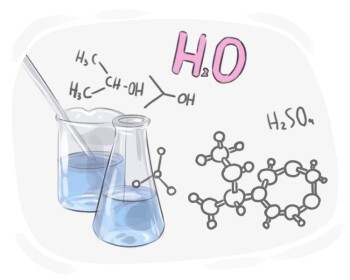
the science that studies the composition, properties, and reactions of substances
química
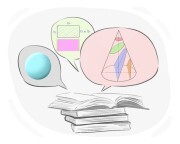
the branch of mathematics that deals with the relation between the lines, angles and surfaces or the properties of the space
geometría
Luchó con los problemas de geometría en su tarea de matemáticas.
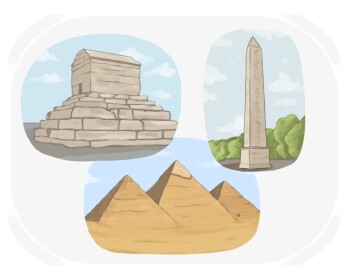
the study of past events, especially as a subject in school or university
historia
Ella quiere obtener un título en historia y convertirse en historiadora.
the art or science of creating or performing sounds, including melody, harmony, and rhythm
música
Ella pasa horas practicando música todos los días para mejorar sus habilidades.
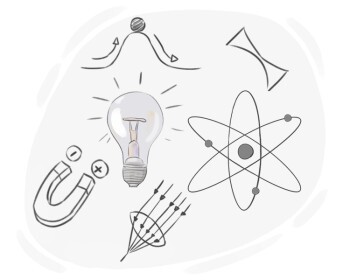
the science that studies matter, energy, motion, forces, and their interactions
física

the planet earth, where we all live
mundo
El mundo ofrece infinitas posibilidades para aprender cosas nuevas.

the study of Earth's physical features, environments, populations, and the ways people and places relate to one another
geografía
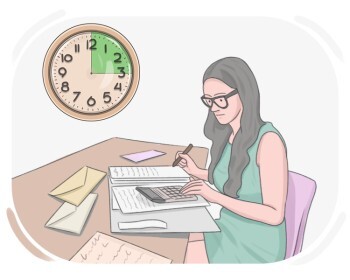
working or employed for only part of the usual working hours or workweek
a tiempo parcial
Muchos estudiantes prefieren puestos a tiempo parcial durante el año escolar.
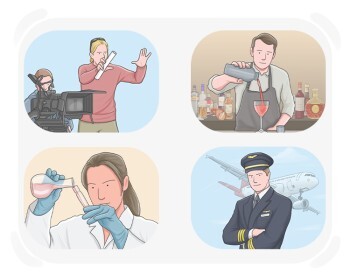
the work that we do regularly to earn money
trabajo
Su trabajo soñado es convertirse en bombero.
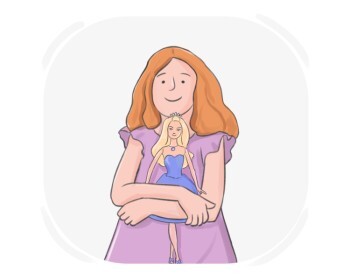
to have something as for ourselves
tener, poseer
El año pasado, logró poseer un coche vintage que había restaurado.
to a degree that is high but not very high
más bien, bastante
Era bastante tarde cuando finalmente llegaron a casa.
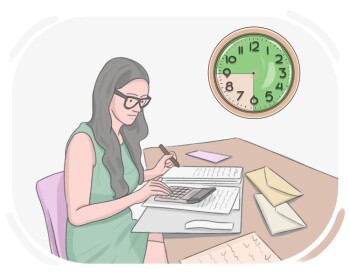
done for the usual hours in a working day or week
a tiempo completo
Ha sido un escritor a tiempo completo durante cinco años.

to make someone or something ready for a particular purpose, activity, or situation
preparar
a college or a department in a university where students study medicine to become medical doctors
escuela de medicina,facultad de medicina
He oído que la escuela de medicina puede ser muy estresante, con largas horas y mucho estudio.
a test for admission to an educational institution or program
examen de ingreso,prueba de admisión
Muchos estudiantes asisten a clases de tutoría para mejorar su rendimiento en los exámenes de admisión para las facultades de ingeniería.
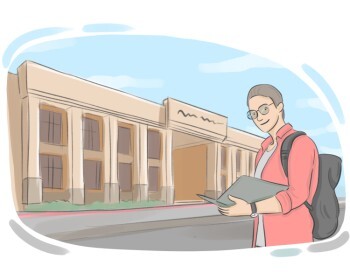
a secondary school typically including grades 9 through 12
escuela secundaria
Las actividades extracurriculares, como los equipos deportivos, los clubes de teatro y el gobierno estudiantil, desempeñan un papel importante en la escuela secundaria, ayudando a los estudiantes a construir amistades y desarrollar habilidades de liderazgo.

a person who is studying at a school, university, or college
estudiante, alumno
Ella toma notas durante las clases para repasar más tarde como una estudiante dedicada.
used to emphasize what is true or what really happened
realmente
to study a particular subject in school, university, etc.
tomar
Él eligió tomar un electivo en historia del arte para explorar su interés en las influencias culturales en el arte.
to accept something as true or real, even without conclusive proof
creer
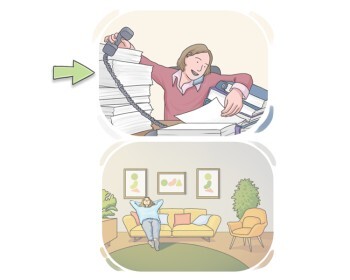
having so many things to do in a way that leaves not much free time
ocupado
En la bulliciosa ciudad, la gente está constantemente ocupada con el trabajo, los recados y los compromisos sociales.
to hold or own something
tener
¿Tiene tu amigo una computadora confiable?

to want something to happen or be true
esperar
Él espera que su trabajo duro sea reconocido y recompensado.
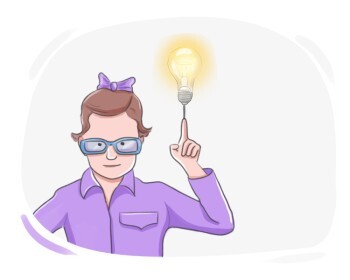
to have some information about something
saber
Él sabe que necesita estudiar más para el examen.
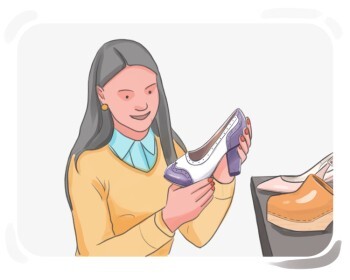
to feel that someone or something is good, enjoyable, or interesting
gustar
Me gusta la idea de vivir en una gran ciudad.
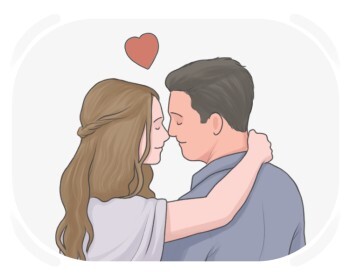
to have very strong feelings for someone or something that is important to us and we like a lot and want to take care of
querer
Ella supo que él era al que amaba cuando la apoyó en un momento difícil.
to have a particular meaning or represent something
significar
La bandera blanca significa rendición.
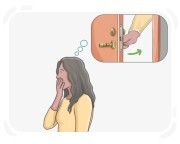
to bring a type of information from the past to our mind again
recordar, acordarse de
Me acuerdo del olor de las galletas recién horneadas en la cocina de mi abuela.

a plan showing the activities or tasks that are expected to take place and the times when they should happen
horario
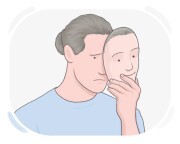
to give the impression of having a particular quality or being or doing something
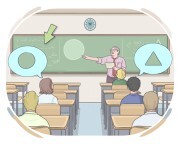
to know something's meaning, particularly something that someone says
entender
No entendió el contrato al que estaba accediendo.
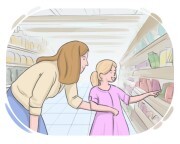
to wish to do or have something
querer
Jane quería aprender a tocar la guitarra, así que tomó lecciones.
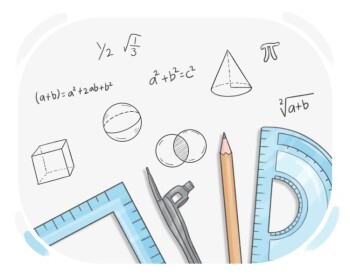
the study of numbers and shapes that involves calculation and description
matemáticas
Ella obtuvo una buena puntuación en su examen de matemáticas y recibió elogios de su profesor.
