pattern

Глаголы, Связанные с Темами - Глаголы, связанные с математикой

Здесь вы узнаете некоторые английские глаголы, относящиеся к математике, такие как "умножить", "разложить на множители" и "вычесть".

Обзор

Флэш-карточки

формы

Правописание

Тест
Начать учиться
Categorized English Topic-related Verbs
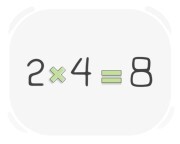
to multiply
to multiply
[глагол]

(mathematics) to add a number to itself a certain number of times

умножать

умножать

Ex: If you have 3 apples and multiply them by 2, you'll have 6 apples in total. 

Если у вас есть 3 яблока и вы умножите их на 2, у вас будет 6 яблок в общей сложности.
Закрыть
Войти
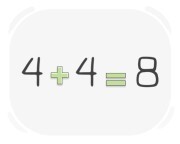
to add
to add
[глагол]

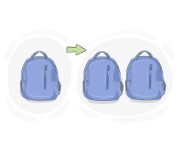
(mathematics) to put numbers or amounts together and find the total

складывать
складывать

Ex: Add the two numbers together. 
Закрыть
Войти
to double
to double
[глагол]

to increase something by two times its original amount or value

удвоить

удвоить

Ex: If you double 5, you get 10. 

Если вы удвоите 5, вы получите 10.

Закрыть
Войти
to triple
to triple
[глагол]

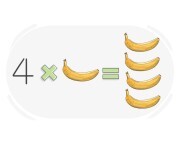
to increase the quantity of something threefold

утроить, умножить на три

утроить, умножить на три

Ex: By tripling the recipe, you'll need three times the amount of ingredients. 

Утроив рецепт, вам понадобится в три раза больше ингредиентов.
Закрыть
Войти
to quadruple
to quadruple
[глагол]

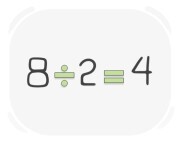
to multiply an amount or number by four

возводить в квадрат

возводить в квадрат

Ex: The government aims to quadruple the funding for education programs in the next five years. 

Правительство стремится увеличить в четыре раза финансирование образовательных программ в следующие пять лет.
Закрыть
Войти
to divide
to divide
[глагол]

(mathematics) to calculate how many times a number contains another number

делить, разделять

делить, разделять

Ex: Dividing a number by itself equals 1. 

Деление числа на само себя равно 1.

Закрыть
Войти
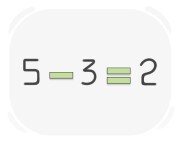
to subtract
to subtract
[глагол]

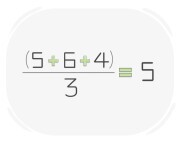
(mathematics) to take a number from another number and find out the difference

вычитать

вычитать

Ex: If you subtract 4 from 9, you get 5. 

Если вы вычтете 4 из 9, вы получите 5.
Закрыть
Войти
to average
to average
[глагол]

to find the sum of a set of numbers and then divide by the total number of values in the set

усреднять, вычислять среднее значение

усреднять, вычислять среднее значение

Ex: She averaged her monthly expenses to create a budget for the upcoming year. 

Она усреднила свои ежемесячные расходы, чтобы составить бюджет на предстоящий год.

Закрыть
Войти
to factor
to factor
[глагол]

to break down a number or expression into smaller parts that multiply together to produce the original number or expression

разложить на множители, факторизовать
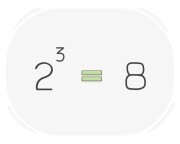
разложить на множители, факторизовать

Ex: Students learned how to factor quadratic expressions. 
Закрыть
Войти
to cube
to cube
[глагол]

to multiply a value or number by itself two times

умножить куб

умножить куб

Ex: If you cube x, you get x^3. 

Если вы возведёте x в куб, вы получите x^3.

Закрыть
Войти
to deduct
to deduct
[глагол]

to subtract or take away an amount or part from a total

вычитать, удерживать

вычитать, удерживать

Ex: The teacher instructed the students to deduct points for incorrect answers on the quiz. 

Учитель велел ученикам вычитать баллы за неправильные ответы в викторине.
Закрыть
Войти
to square
to square
[глагол]

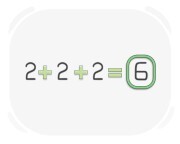
to multiply a value or number by itself

возводить в квадрат, умножать на себя

возводить в квадрат, умножать на себя

Ex: Squaring 5 gives you 5 × 5, which equals 25. 

Возведение в квадрат 5 дает вам 5 × 5, что равно 25.
Закрыть
Войти
to sum
to sum
[глагол]

to calculate the total of two or more numbers or quantities by adding them together

суммировать, складывать

суммировать, складывать

Ex: To sum 3 and 5, you add them together to get 8. 

Чтобы сложить 3 и 5, вы добавляете их вместе, чтобы получить 8.

Закрыть
Войти
to total
to total
[глагол]

to add up numbers or quantities to find the overall amount

составлять сумму

составлять сумму

Ex: She totaled the figures before submitting the report. 
Закрыть
Войти
LanGeek
Скачать приложение LanGeek