pattern

افعال مربوط به موضوعات - افعال مرتبط با ریاضیات

در اینجا برخی از افعال انگلیسی مربوط به ریاضیات مانند "ضرب کردن"، "فاکتورگیری" و "کسر کردن" را یاد خواهید گرفت.

مرور

فلش‌کارت‌ها

صورت‌ها

املای کلمه

آزمون

شروع یادگیری
Categorized English Topic-related Verbs
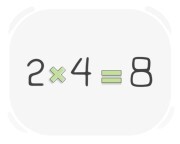
to multiply
to multiply
[فعل]

(mathematics) to add a number to itself a certain number of times

ضرب کردن

ضرب کردن

Ex: To find the area of a rectangle, you multiply its length by its width. 

برای یافتن مساحت یک مستطیل، طول آن را در عرضش ضرب می‌کنید.

بستن
ورود
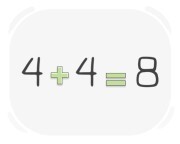
to add
to add
[فعل]

(mathematics) to put numbers or amounts together and find the total

جمع زدن, به‌علاوه کردن

جمع زدن, به‌علاوه کردن

Ex: Add the two numbers together. 
بستن
ورود
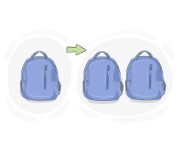
to double
to double
[فعل]

to increase something by two times its original amount or value

دو برابر کردن, دو برابر شدن

دو برابر کردن, دو برابر شدن

Ex: Doubling 3 gives you 6. 

دو برابر کردن 3 به شما 6 می‌دهد.

بستن
ورود
to triple
to triple
[فعل]

to increase the quantity of something threefold

سه برابر کردن, ضرب در سه

سه برابر کردن, ضرب در سه

Ex: She tripled her savings by investing wisely. 

او با سرمایه‌گذاری هوشمندانه پس‌انداز خود را سه برابر کرد.

بستن
ورود
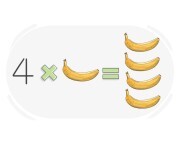
to quadruple
to quadruple
[فعل]

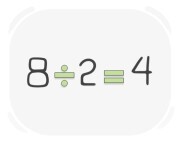
to multiply an amount or number by four

چهار برابر کردن

چهار برابر کردن

Ex: Quadrupling the dose of medicine may lead to harmful side effects. 

چهار برابر کردن دوز دارو ممکن است منجر به عوارض جانبی مضر شود.
بستن
ورود
to divide
to divide
[فعل]

(mathematics) to calculate how many times a number contains another number

تقسیم کردن (ریاضی)
تقسیم کردن (ریاضی)

Ex: Dividing a number by itself equals 1. 

تقسیم یک عدد بر خودش برابر با 1 است.

بستن
ورود
to subtract
to subtract
[فعل]

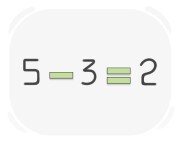
(mathematics) to take a number from another number and find out the difference

تفریق کردن, منها کردن

تفریق کردن, منها کردن

Ex: Subtracting 3 from 10 leaves you with 7. 

تفریق 3 از 10 شما را با 7 باقی می‌گذارد.

بستن
ورود
to average
to average
[فعل]

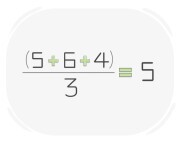
to find the sum of a set of numbers and then divide by the total number of values in the set

میانگین گرفتن, محاسبه میانگین

میانگین گرفتن, محاسبه میانگین

Ex: They averaged the survey results to gauge public opinion on the proposed policy changes. 

آن‌ها نتایج نظرسنجی را میانگین گرفتند تا نظر عمومی را در مورد تغییرات سیاست پیشنهادی بسنجند.

بستن
ورود
to factor
to factor
[فعل]

to break down a number or expression into smaller parts that multiply together to produce the original number or expression

فاکتورگیری, تجزیه به عوامل
فاکتورگیری, تجزیه به عوامل

Ex: Students learned how to factor quadratic expressions. 
بستن
ورود
to cube
to cube
[فعل]

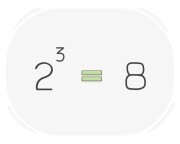
to multiply a value or number by itself two times

به توان سوم رساندن (ریاضی)

به توان سوم رساندن (ریاضی)

Ex: Cubing helps determine the volume of cubic shapes and solve certain mathematical problems. 

مکعب کردن به تعیین حجم شکل‌های مکعبی و حل برخی مسائل ریاضی کمک می‌کند.

بستن
ورود
to deduct
to deduct
[فعل]

to subtract or take away an amount or part from a total

کم کردن (تفریق)

کم کردن (تفریق)

Ex: The employer will deduct taxes and other withholdings from the employee's paycheck. 

کارفرما مالیات و سایر کسورات را از چک حقوق کارمند کسر خواهد کرد.
بستن
ورود
to square
to square
[فعل]

to multiply a value or number by itself

به توان دو رساندن, در خودش ضرب کردن
به توان دو رساندن, در خودش ضرب کردن

Ex: If you square 3, you get 3 × 3, which equals 9. 

اگر 3 را به توان دو برسانید، 3 × 3 به دست می‌آید که برابر با 9 است.

بستن
ورود
to sum
to sum
[فعل]

to calculate the total of two or more numbers or quantities by adding them together

جمع کردن, محاسبه مجموع

جمع کردن, محاسبه مجموع

Ex: When you sum 10, 20, and 30, the total is 60. 

وقتی که شما 10، 20 و 30 را جمع می‌کنید، حاصل 60 می‌شود.

بستن
ورود
to total
to total
[فعل]

to add up numbers or quantities to find the overall amount

جمع کردن

جمع کردن

Ex: She totaled the figures before submitting the report. 
بستن
ورود
LanGeek
دانلود اپلیکشن LanGeek