
Czasowniki Tematyczne - Czasowniki związane z matematyką
Tutaj nauczysz się niektórych angielskich czasowników odnoszących się do matematyki, takich jak "mnożyć", "rozkładać na czynniki" i "odliczać".
Przegląd
Fiszki
formy
Pisownia
Test

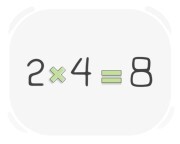
to calculate the product of two numbers or quantities

mnożyć, pomnożyć
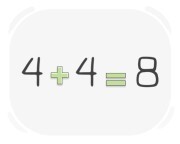
(mathematics) to put numbers or amounts together and find the total
dodawać, dodać
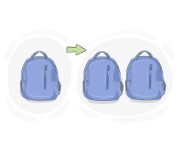
to increase something by two times its original amount or value
podwajać

to increase the quantity of something threefold
potroić, pomnożyć przez trzy
Kiedy potrajasz prędkość, zwiększasz ją trzykrotnie.
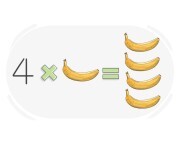
to multiply an amount or number by four
czterokrotnie zwiększyć, pomnożyć przez cztery
Jeśli poczwórnie 5, otrzymasz 20.
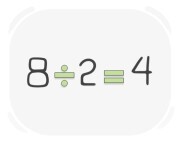
(mathematics) to calculate how many times a number contains another number
dzielić, rozdzielać
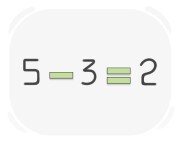
(mathematics) to take a number from another number and find out the difference
odejmować
Odjęcie wydatków od dochodu daje zysk netto.
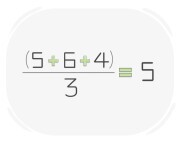
to find the sum of a set of numbers and then divide by the total number of values in the set
obliczać średnią, wyliczać średnią

to break down a number or expression into smaller parts that multiply together to produce the original number or expression
rozkładać na czynniki, faktoryzować
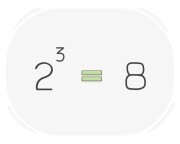
to multiply a value or number by itself two times
podnosić do sześcianu, sześcianować
Aby podnieść do sześcianu 4, obliczasz 4 × 4 × 4 = 64.
to subtract or take away an amount or part from a total
odjąć, potrącić
Właściciele nieruchomości mogą odliczać pewne wydatki związane z nieruchomością, takie jak koszty utrzymania, od dochodu z wynajmu w celach podatkowych.
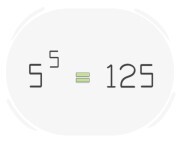
to multiply a value or number by itself
podnosić do kwadratu, mnożyć przez siebie
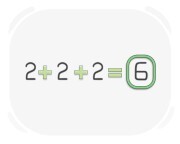
to calculate the total of two or more numbers or quantities by adding them together
sumować, dodawać
to add up numbers or quantities to find the overall amount
sumować, podliczać
