pattern

Verbos Relacionados con Temas - Verbos relacionados con las matemáticas

Aquí aprenderás algunos verbos en inglés relacionados con las matemáticas como "multiplicar", "factorizar" y "deducir".

Revisión

Tarjetas de memoria

formas

Ortografía

Cuestionario

Empezar a aprender
Categorized English Topic-related Verbs
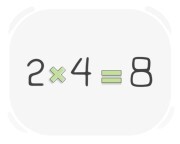
to multiply

to calculate the product of two numbers or quantities

multiplicar
multiplicar

Ex: If you multiply twelve by four, the answer is forty-eight. 
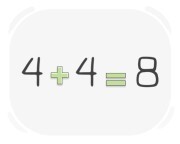
to add
to add
[Verbo]

(mathematics) to put numbers or amounts together and find the total

sumar, añadir
sumar, añadir

Ex: Add the scores of each round to calculate the final score. 
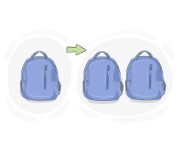
to double
to double
[Verbo]

to increase something by two times its original amount or value

doblar, doblarse

doblar, doblarse

Ex: She doubled her savings by putting aside a portion of her paycheck each month. 
to triple
to triple
[Verbo]

to increase the quantity of something threefold

triplicar, multiplicar por tres

triplicar, multiplicar por tres

Ex: When you triple the speed, you increase it by a factor of three. 

Cuando triplicas la velocidad, la aumentas por un factor de tres.
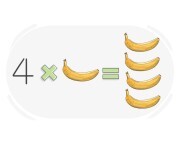
to quadruple

to multiply an amount or number by four

cuadruplicar

cuadruplicar

Ex: If you quadruple 5, you get 20. 

Si cuadruplicas 5, obtienes 20.

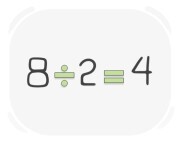
to divide
to divide
[Verbo]

(mathematics) to calculate how many times a number contains another number

dividir, repartir
dividir, repartir

Ex: Dividing a number by itself equals 1. 
to subtract

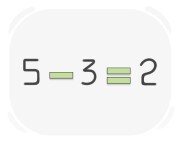
(mathematics) to take a number from another number and find out the difference

restar

restar

Ex: If you have 15 apples and subtract 7, you'll have 8 left. 

Si tienes 15 manzanas y restas 7, te quedarán 8.
to average
to average
[Verbo]

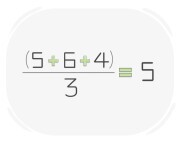
to find the sum of a set of numbers and then divide by the total number of values in the set

promediar, calcular el promedio

promediar, calcular el promedio

Ex: He averaged the temperatures recorded throughout the week to get a sense of the climate pattern. 
to factor
to factor
[Verbo]

to break down a number or expression into smaller parts that multiply together to produce the original number or expression

factorizar, descomponer en factores
factorizar, descomponer en factores

Ex: Factoring helps in finding roots of polynomial equations. 
to cube
to cube
[Verbo]

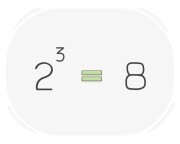
to multiply a value or number by itself two times

elevar al cubo, cubicar

elevar al cubo, cubicar

Ex: To cube 4, you calculate 4 × 4 × 4 = 64. 

Para elevar al cubo 4, calculas 4 × 4 × 4 = 64.

to deduct
to deduct
[Verbo]

to subtract or take away an amount or part from a total

restar, deducir

restar, deducir

Ex: Freelancers often deduct home office expenses as a business expense. 

Los freelancers a menudo deducen los gastos de oficina en casa como un gasto comercial.
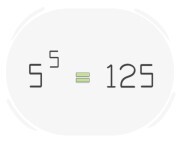
to square
to square
[Verbo]

to multiply a value or number by itself

elevar al cuadrado, cuadrar
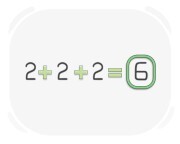
elevar al cuadrado, cuadrar

Ex: The area of a square can be found by squaring the length of one of its sides. 
to sum
to sum
[Verbo]

to calculate the total of two or more numbers or quantities by adding them together

sumar, calcular la suma

sumar, calcular la suma

Ex: In a basketball game, you sum the points scored by each player to determine the team's total score. 
to total
to total
[Verbo]

to add up numbers or quantities to find the overall amount

sumar, totalizar

sumar, totalizar

Ex: When shopping, remember to total the prices of all the items in your cart before reaching the cashier. 
LanGeek
Descargar la aplicación LanGeek