pattern

Словарь Немоторизованных Транспортных Средств - Chariot

Обзор

Флэш-карточки

формы

Правописание

Тест

Начать учиться
Non-motorized Vehicles Vocabulary
chariot
chariot
[существительное]

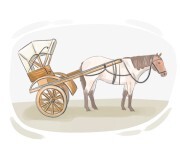
a vehicle with two wheels, drawn by horses, used in ancient times for warfare and racing

колесница

колесница

Ex: Chariot racing was a popular sport in ancient Rome, drawing large crowds to the Circus Maximus.

Гонки на колесницах были популярным видом спорта в Древнем Риме, привлекавшим большие толпы в Циркус Максимус.

Закрыть
Войти
two-wheeled
two-wheeled
[прилагательное]

having two wheels, typically describing bicycles, motorcycles, and similar vehicles

двухколесный, велосипедный

двухколесный, велосипедный

Ex: Learning to ride a two-wheeled vehicle requires good balance and coordination .

Обучение езде на двухколесном транспортном средстве требует хорошего баланса и координации.

Закрыть
Войти
vehicle
vehicle
[существительное]

a means of transportation used to carry people or goods from one place to another, typically on roads or tracks

транспортное средство

транспортное средство

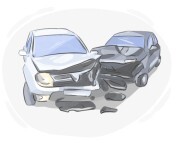
Ex: The accident involved three vehicles.

В аварии участвовали три транспортных средства.

Закрыть
Войти
to carry
to carry
[глагол]

to hold someone or something and take them from one place to another

нести
нести

Ex: The shopping bag was heavy because it had to carry groceries for the whole family .

Сумка для покупок была тяжелой, потому что ей нужно было нести продукты для всей семьи.

Закрыть
Войти
ancient
ancient
[прилагательное]

related or belonging to a period of history that is long gone

древний
древний

Ex: The museum housed artifacts from ancient Egypt, including pottery and jewelry.

В музее хранились артефакты из Древнего Египта, включая керамику и украшения.

Закрыть
Войти
culture
culture
[существительное]

the general beliefs, customs, and lifestyles of a specific society

культура

культура

Ex: We experienced the local culture during our stay in Italy .

Мы познакомились с местной культурой во время нашего пребывания в Италии.

Закрыть
Войти
racing
racing
[существительное]

a competitive sport involving the contest of speed, usually performed using vehicles or animals

соревнование, гонка

соревнование, гонка

Закрыть
Войти
to go back
to go back
[глагол]

to trace the existence or origin of something to a specific point in time

восходить, прослеживать

восходить, прослеживать

Ex: The local library's archives go back to the founding of the town.

Архивы местной библиотеки восходят к основанию города.

Закрыть
Войти
cart
cart
[существительное]

a simple, two-wheeled vehicle typically drawn by a horse or other animal, used for transporting goods and people

телега, повозка

телега, повозка

Ex: Carts were commonly used for short-distance transportation in rural areas .

Телеги обычно использовались для перевозок на короткие расстояния в сельской местности.

Закрыть
Войти
soldier
soldier
[существительное]

someone who serves in an army, particularly a person who is not an officer

солдат
солдат

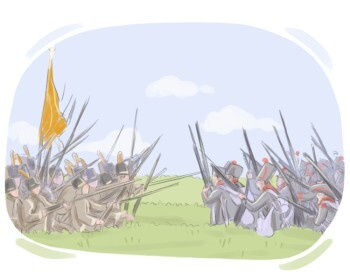
Ex: The soldier polished his boots until they shone .

Солдат начистил свои ботинки до блеска.

Закрыть
Войти
battle
battle
[существительное]

a fight between opposing armed forces, particularly during a war

битва

битва

Ex: The generals strategized to minimize casualties in the upcoming battle.

Генералы разработали стратегию для минимизации потерь в предстоящем сражении.

Закрыть
Войти
battlefield
battlefield
[существительное]

an area where a battle is being or was fought

поле битвы

поле битвы

Ex: Archaeologists discovered artifacts buried beneath the battlefield, shedding light on ancient warfare techniques .

Археологи обнаружили артефакты, захороненные под полем битвы, что проливает свет на древние методы ведения войны.

Закрыть
Войти
weapon
weapon
[существительное]

an object that can physically harm someone or something, such as a gun, bomb, knife, etc.

оружие
оружие

Ex: Diplomacy is often seen as a powerful weapon in resolving international conflicts .

Дипломатия часто рассматривается как мощное оружие в разрешении международных конфликтов.

Закрыть
Войти
war
war
[существительное]

a state of armed fighting between two or more groups, nations, or states

война

война

Ex: The nation remained at war until a peace agreement was signed .

Нация оставалась в состоянии войны до подписания мирного соглашения.

Закрыть
Войти
celebration
celebration
[существительное]

a gathering or event where people come together to honor someone or something, often with food, music, and dancing

торжество

торжество

Ex: The annual festival is a celebration of local culture , featuring traditional music , dance , and cuisine .

Ежегодный фестиваль — это празднование местной культуры, включающее традиционную музыку, танцы и кухню.

Закрыть
Войти
to gather
to gather
[глагол]

to come together in a place, typically for a specific purpose or activity

собираться
собираться

Ex: The community gathers at the park to enjoy live music on summer evenings .

Сообщество собирается в парке, чтобы насладиться живой музыкой летними вечерами.

Закрыть
Войти
arena
arena
[существительное]

a large open-air constructed area that is used for playing sports

арена

арена

Закрыть
Войти
dangerous
dangerous
[прилагательное]

capable of destroying or causing harm to a person or thing

опасный

опасный

Ex: The mountain path is slippery and considered dangerous.

Горная тропа скользкая и считается опасной.

Закрыть
Войти
to crash
to crash
[глагол]

to collide violently, especially involving a vehicle, resulting in damage or injury

врезаться, разбиться

врезаться, разбиться

Ex: The bus crashed into the side of the building , breaking the windows .

Автобус врезался в сторону здания, разбив окна.

Закрыть
Войти
fame
fame
[существительное]

a state of being widely known or recognized, usually because of notable achievements, talents, or actions

известность

известность

Ex: Her fame as an author was cemented with the release of her bestselling novel .

Ее известность как автора была подтверждена выпуском ее бестселлера.

Закрыть
Войти
reward
reward
[существительное]

a benefit or advantage gained as a result of an event, action, or effort

награда, вознаграждение

награда, вознаграждение

Ex: The scientist 's discovery led to the reward of international recognition .

Открытие ученого привело к награде международного признания.

Закрыть
Войти
religion
religion
[существительное]

the belief in a higher power such as a god and the activities it involves or requires

религия

религия

Ex: She practices her religion by attending weekly services and participating in community outreach .

Она практикует свою религию, посещая еженедельные службы и участвуя в общественной работе.

Закрыть
Войти
king
king
[существительное]

the male ruler of a territorial unit that has a royal family

король

король

Ex: Legends say that the king's sword was imbued with magical powers .

Легенды говорят, что меч короля был наполнен магической силой.

Закрыть
Войти
priest
priest
[существительное]

a man who is trained to perform religious ceremonies in the Christian Church

священник

священник

Ex: Villagers gathered to hear the priest's Sunday sermon .

Жители деревни собрались, чтобы послушать воскресную проповедь священника.

Закрыть
Войти
carving
carving
[существительное]

an object or pattern that is made by cutting solid material

резная работа

резная работа

Закрыть
Войти
over time
over time
[наречие]

as time passes or progresses

со временем, с течением времени

со временем, с течением времени

Ex: The project became more successful over time.

Проект стал более успешным со временем.

Закрыть
Войти
LanGeek
Скачать приложение LanGeek