pattern

Slovní Zásoba Nemotorových Vozidel - Chariot

Revize

Kartičky

tvary

Pravopis

Kvíz

Začněte se učit
Non-motorized Vehicles Vocabulary
chariot
chariot
[Podstatné jméno]

a vehicle with two wheels, drawn by horses, used in ancient times for warfare and racing

vůz, kočár

vůz, kočár

Ex: Chariot racing was a popular sport in ancient Rome, drawing large crowds to the Circus Maximus.

Závody vozů byly oblíbeným sportem ve starověkém Římě, přitahující velké davy do Circus Maximus.

two-wheeled
two-wheeled
[Přídavné jméno]

having two wheels, typically describing bicycles, motorcycles, and similar vehicles

dvoukolový, jízdní kolo

dvoukolový, jízdní kolo

Ex: Learning to ride a two-wheeled vehicle requires good balance and coordination .

Naučit se jezdit na dvoukolovém vozidle vyžaduje dobrou rovnováhu a koordinaci.
vehicle
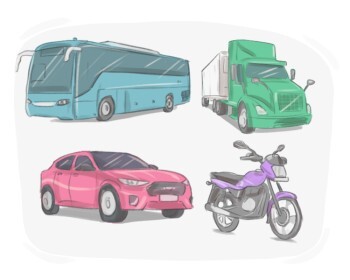
vehicle
[Podstatné jméno]

a means of transportation used to carry people or goods from one place to another, typically on roads or tracks

vozidlo, auto

vozidlo, auto

Ex: The accident involved three vehicles.

Nehoda zahrnovala tři vozidla.

to carry
to carry
[sloveso]

to hold someone or something and take them from one place to another

nést, přepravovat
nést, přepravovat

Ex: The shopping bag was heavy because it had to carry groceries for the whole family .

Nákupní taška byla těžká, protože musela nést potraviny pro celou rodinu.

ancient
ancient
[Přídavné jméno]

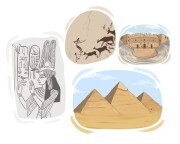
related or belonging to a period of history that is long gone

starověký, dávný
starověký, dávný

Ex: The museum housed artifacts from ancient Egypt, including pottery and jewelry.

Muzeum uchovávalo artefakty ze starověkého Egypta, včetně keramiky a šperků.

culture
culture
[Podstatné jméno]

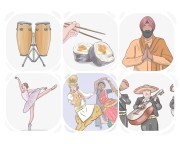
the general beliefs, customs, and lifestyles of a specific society

kultura

kultura

Ex: We experienced the local culture during our stay in Italy .

Zažili jsme místní kulturu během našeho pobytu v Itálii.

racing
racing
[Podstatné jméno]

a competitive sport involving the contest of speed, usually performed using vehicles or animals

závodění

závodění

to go back
to go back
[sloveso]

to trace the existence or origin of something to a specific point in time

sahají, vracet se

sahají, vracet se

Ex: The local library's archives go back to the founding of the town.

Archivy místní knihovny sahají až k založení města.

cart
cart
[Podstatné jméno]

a simple, two-wheeled vehicle typically drawn by a horse or other animal, used for transporting goods and people

vůz, kára

vůz, kára

Ex: Carts were commonly used for short-distance transportation in rural areas .

Povozy byly běžně používány pro krátkodobou dopravu v venkovských oblastech.

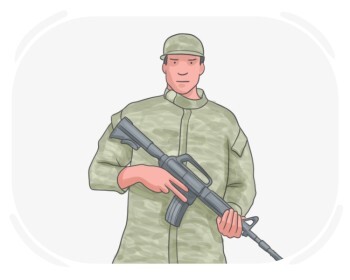
soldier
soldier
[Podstatné jméno]

someone who serves in an army, particularly a person who is not an officer

voják, vojenský
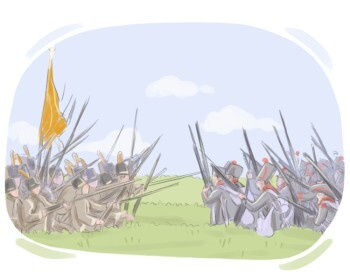
voják, vojenský

Ex: The soldier polished his boots until they shone .

Voják si vyleštil boty, až se leskly.

battle
battle
[Podstatné jméno]

a fight between opposing armed forces, particularly during a war

bitva, boj

bitva, boj

Ex: The generals strategized to minimize casualties in the upcoming battle.

Generálové plánovali strategie, jak minimalizovat ztráty v nadcházející bitvě.

battlefield
battlefield
[Podstatné jméno]

an area where a battle is being or was fought

bojiště, bojová zóna

bojiště, bojová zóna

Ex: Archaeologists discovered artifacts buried beneath the battlefield, shedding light on ancient warfare techniques .

Archeologové objevili artefakty pohřbené pod bojištěm, což vrhalo světlo na starověké válečné techniky.
weapon
weapon
[Podstatné jméno]

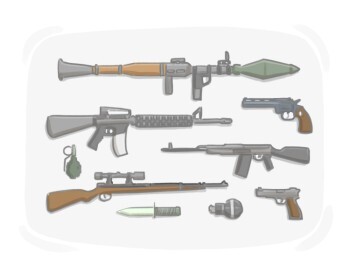
an object that can physically harm someone or something, such as a gun, bomb, knife, etc.

zbraň, výzbroj
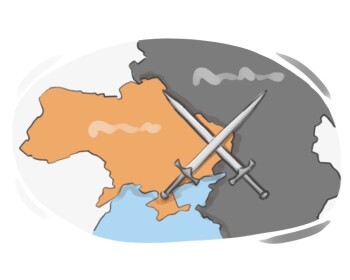
zbraň, výzbroj

Ex: Diplomacy is often seen as a powerful weapon in resolving international conflicts .

Diplomacie je často vnímána jako mocná zbraň při řešení mezinárodních konfliktů.

war
war
[Podstatné jméno]

a state of armed fighting between two or more groups, nations, or states

válka

válka

Ex: The nation remained at war until a peace agreement was signed .

Národ zůstal ve válce až do podepsání mírové dohody.

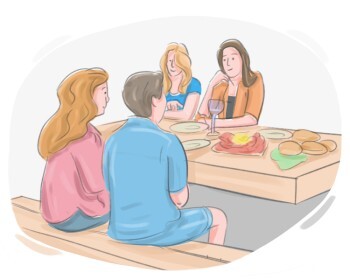
celebration
celebration
[Podstatné jméno]

a gathering or event where people come together to honor someone or something, often with food, music, and dancing

oslavy,  slavnost

oslavy, slavnost

Ex: The annual festival is a celebration of local culture , featuring traditional music , dance , and cuisine .

Roční festival je oslavou místní kultury s tradiční hudbou, tancem a kuchyní.

to gather
to gather
[sloveso]

to come together in a place, typically for a specific purpose or activity

shromažďovat se, scházet se
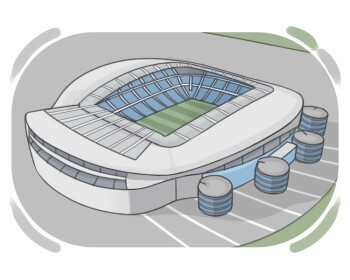
shromažďovat se, scházet se

Ex: The community gathers at the park to enjoy live music on summer evenings .

Komunita se schází v parku, aby si užila živou hudbu v letních večerech.

arena
arena
[Podstatné jméno]

a large open-air constructed area that is used for playing sports

aréna, stadion
aréna, stadion

dangerous
dangerous
[Přídavné jméno]

capable of destroying or causing harm to a person or thing

nebezpečný

nebezpečný

Ex: The mountain path is slippery and considered dangerous.

Horská stezka je kluzká a považuje se za nebezpečnou.
to crash
to crash
[sloveso]

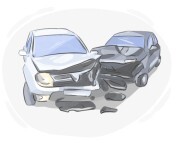
to collide violently, especially involving a vehicle, resulting in damage or injury

narazit, havarovat
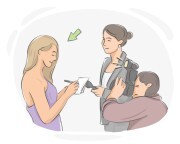
narazit, havarovat

Ex: The bus crashed into the side of the building , breaking the windows .

Autobus narazil do strany budovy a rozbil okna.

fame
fame
[Podstatné jméno]

a state of being widely known or recognized, usually because of notable achievements, talents, or actions

sláva, proslulost

sláva, proslulost

Ex: Her fame as an author was cemented with the release of her bestselling novel .

Její sláva jako autorky byla potvrzena vydáním jejího bestsellerového románu.

reward
reward
[Podstatné jméno]

a benefit or advantage gained as a result of an event, action, or effort

odměna, ocenění

odměna, ocenění

Ex: The scientist 's discovery led to the reward of international recognition .

Objev vědce vedl k odměně mezinárodního uznání.

religion
religion
[Podstatné jméno]

the belief in a higher power such as a god and the activities it involves or requires

náboženství, víra

náboženství, víra

Ex: She practices her religion by attending weekly services and participating in community outreach .

Cvičí svou náboženství tím, že navštěvuje týdenní bohoslužby a účastní se komunitních aktivit.

king
king
[Podstatné jméno]

the male ruler of a territorial unit that has a royal family

král, panovník
král, panovník

Ex: Legends say that the king's sword was imbued with magical powers .

Legendy říkají, že meč krále byl prosycen magickými silami.

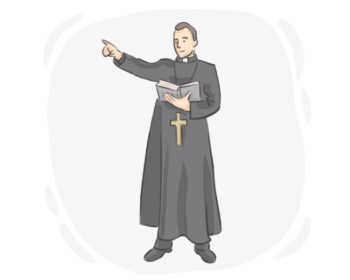
priest
priest
[Podstatné jméno]

a man who is trained to perform religious ceremonies in the Christian Church

kněz, duchovní

kněz, duchovní

Ex: Villagers gathered to hear the priest's Sunday sermon .

Vesničané se sešli, aby si vyslechli nedělní kázání kněze.

carving
carving
[Podstatné jméno]

an object or pattern that is made by cutting solid material

řezba, socha

řezba, socha

over time
over time
[Příslovce]

as time passes or progresses

časem, s postupem času

časem, s postupem času

Ex: The project became more successful over time.

Projekt se v průběhu času stal úspěšnějším.

LanGeek
Stáhnout aplikaci LanGeek