
Talasalitaan ng mga Sasakyang Hindi De-motor - Karwahe
Repasuhin
Flashcards
Pagbaybay
Pagsusulit

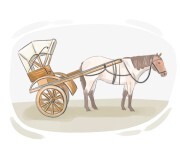
a vehicle with two wheels, drawn by horses, used in ancient times for warfare and racing

karwahe, sasakyan
Ang karwahe ay nagkarera sa palibot ng arena, pinasigla ng mga manonood sa sinaunang laro.

having two wheels, typically describing bicycles, motorcycles, and similar vehicles
may dalawang gulong, bisikleta
Sumakay siya ng bisikletang may dalawang gulong sa parke.
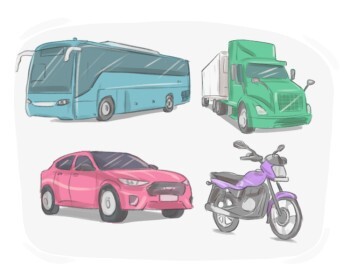
a means of transportation used to carry people or goods from one place to another, typically on roads or tracks
sasakyan, transportasyon
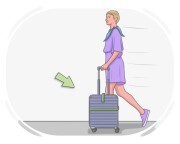
to hold someone or something and take them from one place to another
dala, magdala
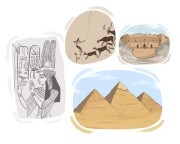
related or belonging to a period of history that is long gone
sinauna, matanda
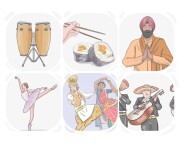
the general beliefs, customs, and lifestyles of a specific society
kultura
a competitive sport involving the contest of speed, usually performed using vehicles or animals
karera
to trace the existence or origin of something to a specific point in time
bumalik, sundan
Ang tradisyon ng pagdiriwang ng festival ay bumabalik sa mga siglo.
a simple wheeled vehicle, usually with two wheels, that is pulled by an animal and used to carry people or goods
kariton, karitela
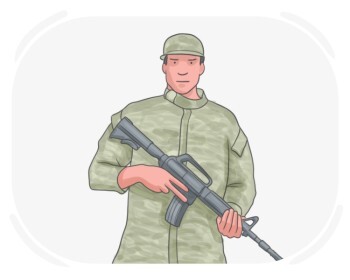
someone who serves in an army, particularly a person who is not an officer
kawal, militar
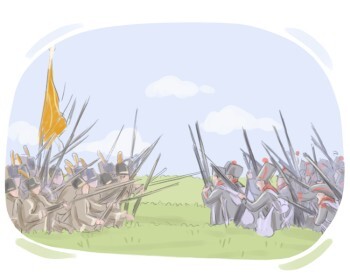
a fight between opposing armed forces, particularly during a war
labanan, digmaan
an area where a battle is being or was fought
larangan ng digmaan, battlefield
Maingat na sumulong ang mga sundalo sa larangan ng digmaan, nagtatago sa likod ng mga puno at bato.
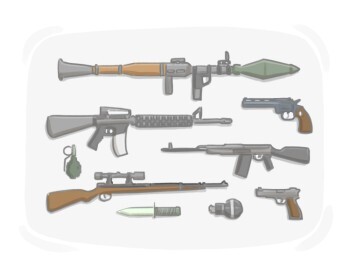
an object that can physically harm someone or something, such as a gun, bomb, knife, etc.
sandata, armas
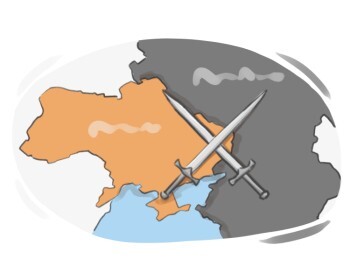
a state of armed fighting between two or more groups, nations, or states
digmaan

a special event or gathering held to mark a happy occasion or important achievement
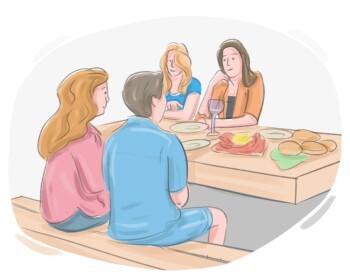
to come together in a place, typically for a specific purpose or activity
magtipon, magkita-kita
capable of destroying or causing harm to a person or thing
mapanganib
Ang pagtawid sa kalsada nang hindi tumitingin ay mapanganib.
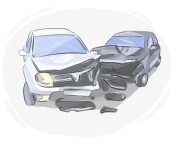
to collide violently, especially involving a vehicle, resulting in damage or injury
bumangga, sumalpok
the state of being widely known or recognized by many people
a benefit or advantage gained as a result of an event, action, or effort
gantimpala, premyo

the belief in a higher power such as a god and the activities it involves or requires
relihiyon, pananampalataya

the male ruler of a territorial unit that has a royal family
hari, monarka
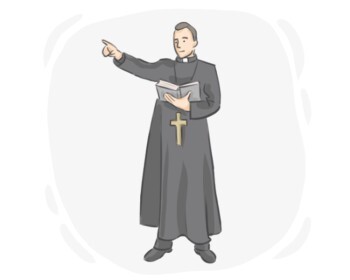
a man who is trained to perform religious ceremonies in the Christian Church
pari, saserdote

as time passes or progresses
sa paglipas ng panahon, habang lumilipas ang panahon
Mapapansin mo ang mga pagbabago sa iyong kalusugan sa paglipas ng panahon kung susundin mo ang bagong diyeta.
| Talasalitaan ng mga Sasakyang Hindi De-motor | |||
|---|---|---|---|
| Bisikleta | Riksha | Karwahe | Segway |
| Karwahe | Kareta ng Aso | Monosiklo | Kick Scooter |
| Bisikleta | Kick Sled | Draisine | Kariton ng Baka |
| Trikke | Penny-farthing | Travois | Handcycle |
| Kickbike | Velomobile | Pedicab | Bisikletang Tandem |
