pattern

Słownictwo Pojazdów Niemotorowych - Chariot

Przegląd

Fiszki

Pisownia

Test

Zacznij naukę
Non-motorized Vehicles Vocabulary
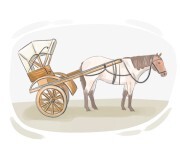
chariot
chariot
[Rzeczownik]

a vehicle with two wheels, drawn by horses, used in ancient times for warfare and racing

rydwan, wóz

rydwan, wóz

Ex: The chariot raced around the arena, cheered on by spectators at the ancient games. 
two-wheeled
two-wheeled
[przymiotnik]

having two wheels, typically describing bicycles, motorcycles, and similar vehicles

dwukołowy, rowerowy

dwukołowy, rowerowy

Ex: He rode a two-wheeled bicycle through the park. 
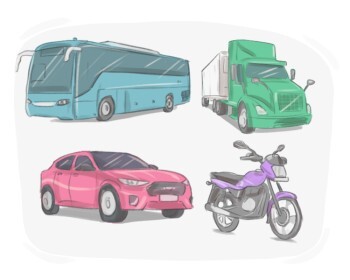
vehicle
vehicle
[Rzeczownik]

a means of transportation used to carry people or goods from one place to another, typically on roads or tracks

pojazd, środek transportu

pojazd, środek transportu

Ex: Cars, buses, and trucks are all types of vehicles. 
to carry
to carry
[Czasownik]

to hold someone or something and take them from one place to another

nosić, przenosić
nosić, przenosić

Ex: She used a backpack to carry her books to school. 
ancient
ancient
[przymiotnik]

related or belonging to a period of history that is long gone

starożytny, dawny
starożytny, dawny

Ex: She studied ancient civilizations like the Egyptians and Greeks in her history class. 
culture
culture
[Rzeczownik]

the general beliefs, customs, and lifestyles of a specific society

kultura

kultura

Ex: In Japanese culture, it's customary to bow when greeting someone. 
racing
racing
[Rzeczownik]

a competitive sport involving the contest of speed, usually performed using vehicles or animals

wyścig

wyścig

to go back
to go back
[Czasownik]

to trace the existence or origin of something to a specific point in time

sięgać, cofać się

sięgać, cofać się

Ex: The tradition of celebrating the festival goes back for centuries. 
cart
cart
[Rzeczownik]

a simple, two-wheeled vehicle typically drawn by a horse or other animal, used for transporting goods and people

wóz, fura

wóz, fura

Ex: The farmer loaded the cart with fresh produce for the market. 
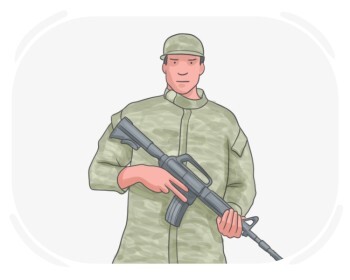
soldier
soldier
[Rzeczownik]

someone who serves in an army, particularly a person who is not an officer

żołnierz, wojskowy
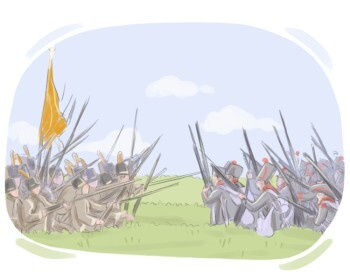
żołnierz, wojskowy

Ex: Every soldier must undergo rigorous training. 
battle
battle
[Rzeczownik]

a fight between opposing armed forces, particularly during a war

bitwa, walka

bitwa, walka

Ex: The decisive battle changed the course of the war. 
battlefield
battlefield
[Rzeczownik]

an area where a battle is being or was fought

pole bitwy, teren walki

pole bitwy, teren walki

Ex: Soldiers advanced cautiously across the battlefield, taking cover behind trees and rocks. 
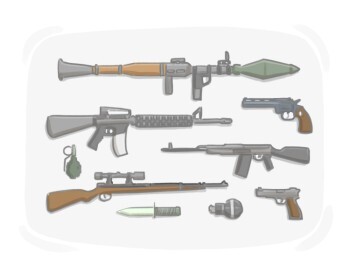
weapon
weapon
[Rzeczownik]

an object that can physically harm someone or something, such as a gun, bomb, knife, etc.

broń, uzbrojenie
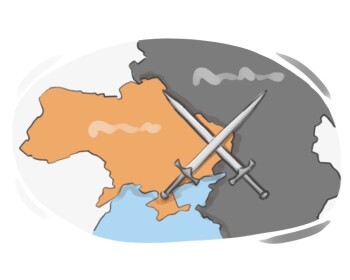
broń, uzbrojenie

Ex: The soldier carried a rifle as his primary weapon during combat. 
war
war
[Rzeczownik]

a state of armed fighting between two or more groups, nations, or states

wojna

wojna

Ex: The soldiers marched off to battle, prepared to defend their country in war. 
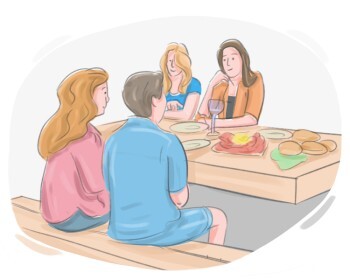
celebration
celebration
[Rzeczownik]

a gathering or event where people come together to honor someone or something, often with food, music, and dancing

świętowanie,  uroczystość

świętowanie, uroczystość

Ex: The whole town came together for a grand celebration in honor of their mayor's reelection. 
to gather
to gather
[Czasownik]

to come together in a place, typically for a specific purpose or activity

zbierać się, gromadzić się
zbierać się, gromadzić się

Ex: Every Sunday, the family gathers for a meal at Grandma's house. 
arena
arena
[Rzeczownik]

a large open-air constructed area that is used for playing sports

arena, stadion

arena, stadion

dangerous
dangerous
[przymiotnik]

capable of destroying or causing harm to a person or thing

niebezpieczny

niebezpieczny

Ex: Crossing the road without looking is dangerous. 
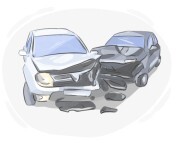
to crash
to crash
[Czasownik]

to collide violently, especially involving a vehicle, resulting in damage or injury

zderzyć się, rozbić się
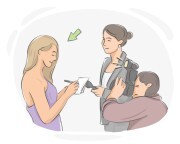
zderzyć się, rozbić się

Ex: The driver failed to stop in time and crashed into the back of the car ahead. 
fame
fame
[Rzeczownik]

a state of being widely known or recognized, usually because of notable achievements, talents, or actions

sława, rozgłos

sława, rozgłos

Ex: His fame as a musician skyrocketed after his hit single topped the charts. 
reward
reward
[Rzeczownik]

a benefit or advantage gained as a result of an event, action, or effort

nagroda, wynagrodzenie

nagroda, wynagrodzenie

Ex: The company offered a financial reward for innovative ideas. 
religion
religion
[Rzeczownik]

the belief in a higher power such as a god and the activities it involves or requires

religia, wiara

religia, wiara

Ex: Her religion teaches the importance of compassion and charity. 
king
king
[Rzeczownik]

the male ruler of a territorial unit that has a royal family

król, monarcha
król, monarcha

Ex: The king ruled over the kingdom with wisdom and compassion. 
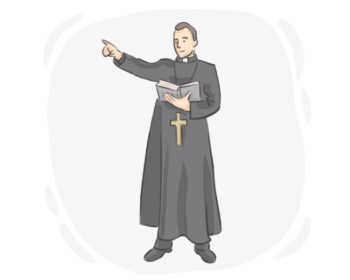
priest
priest
[Rzeczownik]

a man who is trained to perform religious ceremonies in the Christian Church

kapłan, ksiądz
kapłan, ksiądz

Ex: The priest blessed the newly married couple. 
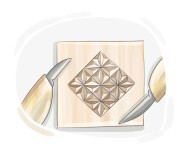
carving
carving
[Rzeczownik]

an object or pattern that is made by cutting solid material

rzeźba, snycerka

rzeźba, snycerka

over time
over time
[przysłówek]

as time passes or progresses

z czasem, w miarę upływu czasu

z czasem, w miarę upływu czasu

Ex: Skills improve over time with regular practice. 
LanGeek
Pobierz aplikację LanGeek