
Vocabulario de Vehículos No Motorizados - Carro
Revisión
Tarjetas de memoria
Ortografía
Cuestionario

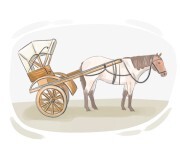
a vehicle with two wheels, drawn by horses, used in ancient times for warfare and racing

carro, cuadriga
El conductor del carro maniobró hábilmente los caballos alrededor de los obstáculos en la pista de carreras.

having two wheels, typically describing bicycles, motorcycles, and similar vehicles
de dos ruedas, biciclo
Las motocicletas son los vehículos de dos ruedas más comunes en la carretera.
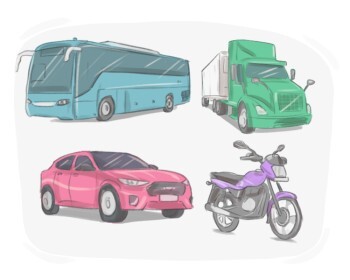
a means of transportation used to carry people or goods from one place to another, typically on roads or tracks
vehículo
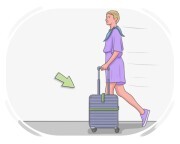
to hold someone or something and take them from one place to another
llevar
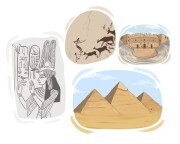
related or belonging to a period of history that is long gone
antiguo
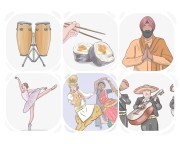
the general beliefs, customs, and lifestyles of a specific society
cultura
a competitive sport involving the contest of speed, usually performed using vehicles or animals
carrera
to trace the existence or origin of something to a specific point in time
remontarse, retroceder
El compromiso de la empresa con la sostenibilidad se remonta a décadas.
a simple wheeled vehicle, usually with two wheels, that is pulled by an animal and used to carry people or goods
carreta, carro
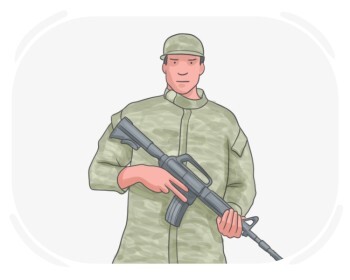
someone who serves in an army, particularly a person who is not an officer
soldado
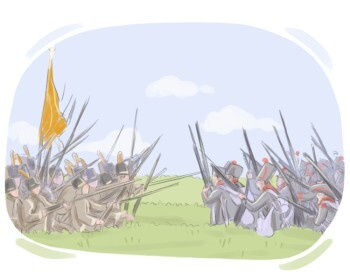
a fight between opposing armed forces, particularly during a war
batalla
an area where a battle is being or was fought
campo de batalla
A pesar de los peligros, los periodistas informaron valientemente desde las primeras líneas del campo de batalla.
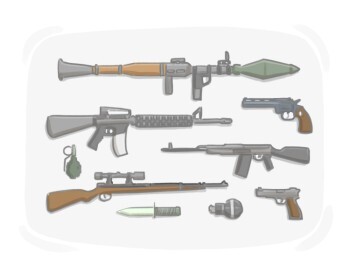
an object that can physically harm someone or something, such as a gun, bomb, knife, etc.
arma
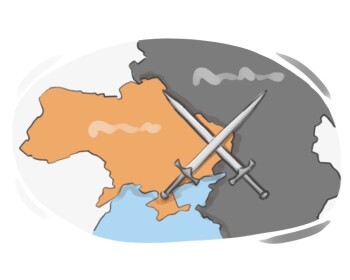
a state of armed fighting between two or more groups, nations, or states
guerra

a special event or gathering held to mark a happy occasion or important achievement
celebración
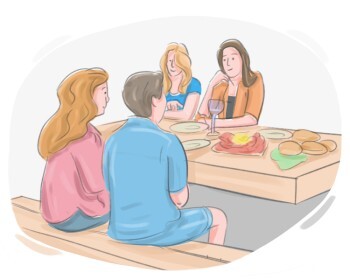
to come together in a place, typically for a specific purpose or activity
reunirse, congregarse
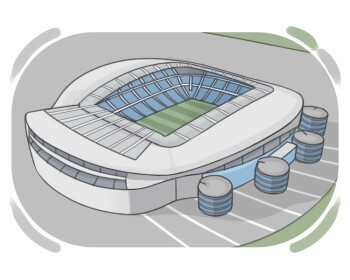
capable of destroying or causing harm to a person or thing
peligroso
Ella es alérgica a las abejas; una picadura puede ser peligrosa para ella.
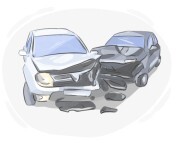
to collide violently, especially involving a vehicle, resulting in damage or injury
chocar, estrellar
the state of being widely known or recognized by many people
fama, celebridad
a benefit or advantage gained as a result of an event, action, or effort
recompensa, premio

the belief in a higher power such as a god and the activities it involves or requires
religión

the male ruler of a territorial unit that has a royal family
rey
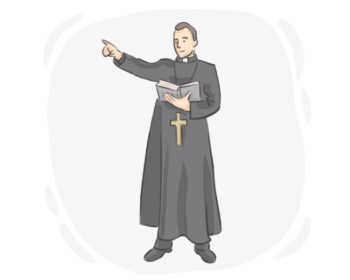
a man who is trained to perform religious ceremonies in the Christian Church
sacerdote
as time passes or progresses
con el tiempo, a lo largo del tiempo
El estudio mide el aumento de la biodiversidad con el tiempo en el área protegida.
