Singular and Plural Nouns For Intermediate learners
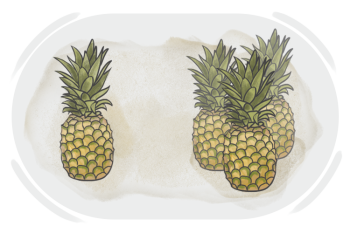
What are Singular and Plural Nouns?
Countable nouns have a singular and a plural form (sustantivos singulares y plurales). The singular form refers to one instance of the noun while the plural form refers to two or more instances of the noun.
Formation of Plural Nouns
In Spanish, forming plural nouns from singular ones follows specific rules that depend on the ending of the singular noun:
If the noun ends in a vowel → add "-s"
clase → clases
class → classes
cara → caras
face → faces
libro → libros
book → books
If the noun ends in -n, -r, -s, -l, -j, -d, or -y → add "-es"
papel → papeles
paper → papers
doctor → doctores
doctor → doctors
reloj → relojes
clock → clocks
If the noun ends in "-z" → change "z" to "c" and add "-es"
luz → luces
light → lights
lápiz → lápices
pencil → pencils
voz → voces
voice → voices
If the noun ends in an unstressed vowel + "-s" or "-x" → the form doesn't change in the plural
el lunes → los lunes
Monday → Mondays
el paraguas → los paraguas
umbrella → umbrellas
la crisis → las crisis
crisis → crises
If the noun ends in a stressed vowel + -s → add "-es" to form the plural.
el inglés → los ingleses
Englishman → Englishmen
el revés → los reveses
setback → setbacks
Accent Changes
If the singular word ends in -n or -s with stress on the final syllable, the accent is removed in the plural form.
canción → canciones
song → songs
avión → aviones
plane → planes
If the singular noun ends in -n and the stress is on the syllable before the last, an accent is added in the plural form.
examen → exámenes
exam → exams
joven → jóvenes
youth → youths
Agreement of Articles and Adjectives
When a noun is changed from singular to plural, the articles and adjectives that modify it must also change to plural form.
el niño simpático → los niños simpáticos
the nice boy → the nice boys
un profesor joven → unos profesores jóvenes
a young professor → some young professors
Quiz:
¿Cuál palabra tiene la misma forma en singular y plural?
crisis
libro
coche
papel
Completa la tabla con la forma plural de cada palabra.
| Singular | Plural |
|---|---|
rey | |
luz | |
silla | |
martes |
Elige el plural correcto de "el alemán".
los alemánes
el alemanes
los alemanes
el alemánes
¿Cuál es el plural correcto de "la ventana blanca"?
las ventana blancas
la ventanas blanca
las ventanas blancas
la ventanas blancas
Completa cada oración con la forma plural de la palabra en paréntesis.
En el parque hay muchos
. (animal)
Compré unas
. (flor roja)
Tengo dos
importantes para mañana. (tesis)
Hablé con dos
. (actriz famosa)
Comments
(0)Recommended

