Countable and Uncountable Nouns For Intermediate learners
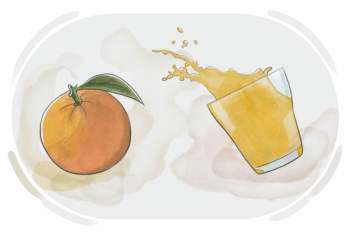
What are Countable and Uncountable Nouns?
Based on whether they can be counted and used with numbers or not, nouns can be divided into two categories. Countable nouns (sustantivos contables) are those that can be used with numbers and be counted, while uncountable nouns (sustantivos incontables) refer to thing that cannot be counted and appear as a mass.
Countable Nouns
These nouns refer to discrete things that can be counted, such as people, objects, animals, etc.
They can appear in singular or plural, and can be used with numbers and indefinite articles (un/una).
un libro, dos libros (one book, two books)
una silla, unas sillas (one chair, some chairs)
un coche, tres coches (one car, three cars)
Here are some examples:
Tengo tres perros.
I have three dogs.
Compré una camisa nueva.
I bought a new shirt.
En la clase hay muchos estudiantes.
There are many students in the class.
Uncountable Nouns
These nouns refer to substances, materials, or abstract concepts that can't be divided into individual units without using a measure word.
They generally do not have a plural form, and do not take numbers or indefinite articles (un/una). In order to refer to the amount of these nouns, indefinite quantifiers like mucho, poco, bastante, etc. are used. Here are some of the common uncountable nouns in Spanish:
Liquids: agua, leche, vino, cerveza, aceite, sangre, tinta, gasolina
Grains and Particles: arroz, azúcar, harina, sal, arena, polvo
Solids and Materials: madera, metal, hierro, vidrio, plástico, piedra, cemento
Food and Substances: pan, queso, carne, mantequilla
Qualities and emotions: amor, felicidad, miedo, paciencia, belleza, inteligencia, fuerza
Abstract Concepts: información, tiempo, dinero, trabajo, música, energía
Natural Phenomena and Elements: aire, viento, fuego, lluvia, nieve
Here are some example sentences:
Quiero agua.
I want (some) water.
No como arroz todos los días.
I don't eat rice evey day.
No tengo dinero.
I don't have (any) money.
Necesitamos poco tiempo para terminar.
We need little time to finish.
Quantifying Uncountable Nouns
Since uncountable nouns cannot be directly used with a number, we use units of measurement or containers to quantify them. For example:
Quiero una botella de agua.
I want a bottle of water.
Compré un kilo de arroz.
I bought a kilo of rice.
Dame una barra de pan.
Give me a loaf of bread.
Corta un trozo de queso.
She cut a piece of cheese.
Substance vs. Type
As already discussed, uncountable nouns are not used in plural forms because they refer to a mass or substance that cannot be counted. However, sometimes, these nouns might be used in plural form. In these cases, the plural shows that the speaker is talking about different types or multiple units of the uncountable substance. Compare the examples:
Hay vino en la mesa.
There's wine on the table.
Referring to the substance
Probé tres vinos diferentes.
I tried three wines.
Referring to three different types of wine
Hay café en la taza.
Referring to the substance
There's coffee in the cup.
Tomamos dos cafés.
We drank two coffees.
Referring to two units (cups) of coffee
Using Articles
When countable nouns follow verbs as the direct or indirect object, they need an article, quantifier, or number to modify them. Uncountable nouns, however, can appear without any article or quantifying modifier.
¿Tienes leche en casa?
Do you have milk at the house?
¿Tienes dos casas?
Do you have two houses?
Necesito azúcar para hacer un pastel.
I need sugar to make a cake.
Quiz:
Clasifica cada sustantivo como contable o incontable.
| Sustantivo | Tipo |
|---|---|
silla | |
arroz | |
dinero | |
estudiante | |
felicidad |
¿Cuál frase es correcta?
Tengo tres aguas en la mesa.
Tengo tres agua en la mesa.
Tengo tres botellas de agua en la mesa.
Tengo botellas de tres aguas en la mesa.
¿Qué significa "dos cafés"?
dos tipos de café
dos tazas de café
dos granos de café
dos cafeterías
¿Cuál frase es correcta?
Necesito un arroz para cocinar.
Necesito la arroz para cocinar.
Necesito arroz para cocinar.
Necesito dos arroz para cocinar.
Elige la mejor palabra de las paréntesis para completar la frase.
En el parque vi un
. (perro/arena)
Necesito
para el viaje. (coche/agua)
Compré dos
s ayer. (pan/libro)
Traje un kilo de
para la cena. (arroz/silla)
Comments
(0)Recommended

