Reflexive Pronouns For Intermediate learners
What Are Reflexive Pronouns?
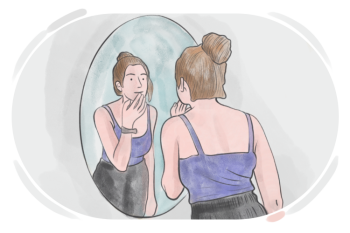
Reflexive pronouns (pronombres reflexivos) indicate that the subject and the object are the same person (or people); in other words, the subject is performing an action on or for itself. For example, in "Me lavo" the reflexive pronoun "me" shows that the speaker does the action of washing and also receives it. Here are the reflexive pronouns in Spanish:
Singular | Plural | |
|---|---|---|
First-person | me | nos |
Second-person | te/se | se |
Third-person | se | se |
Tip!
"Os" is used in Spain as the second-person plural reflexive pronoun in informal contexts while "se" is reserved for formal usage. In Latin America, however, "se" is used as the general second-person reflexive pronoun in both formal and informal contexts.
¿Os divertís en la fiesta?
Do you have fun at the party?
(only used in Spain – informal)
¿Se divierten en la fiesta?
Do you have fun at the party?
(formal in Spain – general in Latin America)
Placement in the Sentence
Like other object pronouns, reflexive pronouns typically come before the conjugated main verb of the sentence.
Me levanto temprano.
I get up early.
Se ducha todos los días.
She/he showers every day.
If the verb is used in infinitive or present participle form, the reflexive pronoun can attach to the end of the verb or come before the conjugated helping verb. If there is no helping verb, the pronoun attaches to the infinitive or participle verb form.
Voy a levantarme temprano. → Me voy a levanter temperano.
I'm going to get up early.
Está duchándose. → Se está duchándo.
She/he is showering.
In affirmative imperatives, the reflexive pronoun attaches to the verb ending:
Levántate.
Get up.
Dúchese.
Take a shower.
In negative sentences, the reflexive verb comes between the negative marker and the main verb:
No me despierto a las siete.
I don't wake up at seven.
Tip!
The reflexive pronoun always agrees with the subject of the sentence. If the subject is dropped, the verb conjugation determines the appropriate reflexive pronoun.
Los niños se acuestan temprano.
The children go to bed early.
The subject is "los niños" which is a masculine plural noun, so "se" is used as the reflexive pronoun.
Me quito la chaqueta.
I take off the jacket.
The sentence does not have an explicit subject, but the verb conjugation shows that the subject is first person singular, so "me" is used.
Common Reflexive Verbs
Certain verbs are most commonly reflexive in Spanish. For example:
acostarse → Nos acostamos a las once.
peinarse → ¿Te peinas todos los días?
ducharse → Me ducho después de hacer ejercicio.
sentarse → Por favor, siéntese aquí, señor.
Some other verbs express a different meaning when used with a reflexive pronoun. For example:
llamar = to call → llamarse = to be named
Me llamo Ana.
My name is Ana.
quitar = to remove → quitarse = to take off (clothes, shoes)
Me quito los zapatos.
I take off my shoes.
There are also verbs that can be used reflexively or non-reflexively, depending on the object, without a change in meaning.
Yo lavo el coche.
I wash the car
Yo me lavo las manos.
I wash my hands.
Here's a list of verbs that are commonly used reflexively:
despertarse → to wake up
enojarse → to get angry
acordarse → to remember
maquillarse → to put on make-up
divertirse → to have fun
cepillarse → to brush (hair, teeth)
dormirse → to go to sleep
vestirse → to get dressed
ponerse → to put on (clothes)
Quiz:
¿Cuál de las siguientes oraciones usa un pronombre reflexivo?
Me cepillo los dientes.
Me da el libro.
Te lo digo.
Le compro un regalo.
Empareja el pronombre con su forma.
Completa cada frase con el pronombre correcto.
levanto temprano todos los días.
¿
duchas todos los días?
acuestamos temprano.
Ordena las palabras para formar una oración correcta.
¿Cuál es la forma correcta para un imperativo afirmativo?
Te lave.
Lávate.
Se laves.
Lavar te.
Comments
(0)Recommended

