International Phonetic Alphabet (IPA) In European Spanish
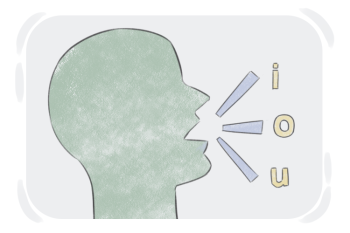
What is International Phonetic Alphabet (IPA)?
The International Phonetic alphabet (IPA) (Alfabeto Fonético Internacional (AFI) in Spanish)is a standardized system for representing the sounds of language. Spanish has a total of 5 vowels sounds and 19 consonant phonemes and a number of allophones.
Spanish Vowels
The Spanish vowel letters ('a', 'e', 'i', 'o' and 'u') each represent a single sound or phoneme, which means Spanish has a total of five vowel sounds. These sounds remain unchanged regardless of their position in the word or stress pattern. Also, there is no length differentiation and no regional differences in their pronunciation. The table below presents the Spanish vowels:
Sound | Example | |
|---|---|---|
/a/ | open central | casa |
/e/ | mid front | mes |
/i/ | close front | gris |
/o/ | mid back | bol |
/u/ | close back | luz |
Spanish Consonants
Spanish has a total of 19 consonants, with some regional differences between Latin America and Spain. The following is a list of Spanish consonants with examples. Keep in mind that some sound are represented by more than one letter, while the letter 'h' is silent and does not represent any sound in Spanish.
/p/ → papa
/b/ → barco, vida
/d/ → donde
/t/ → taza
/k/ → casa, queso
/g/ → gato
/f/ → foto
/s/ → cero (LatAm), zona (LatAm), sopa
/θ/ → cero, zona (Spain)
/x/ → jamón, gente (LatAm)
/χ/ → jamón, gente (Spain)
/m/ → mano
/n/ → nadie
/ɲ/ → niño
/l/ → lado
/ɾ/ → pero
/r/ → rojo, perro
/ʝ/ → lluvia, ayer
/tʃ/ → chico
Spanish also has three allophones (/β/, /ð/, and /ɣ/) which are predictable variations of /b/, /d/, and /g/ used between vowels. They do not represent distinct phonemes but rather specific articulations of another phoneme.
The table below summarizes the Spanish consonants with their place and manner of articulation. Keep in mind that the highlighted sounds /θ/ and /χ/ are only used in Spain, while in Latin America /s/ and /x/ are used instead.
Plosive | Fricative | Affricate | Nasal | Lateral | Rhotic | |
|---|---|---|---|---|---|---|
Bilabial | /p/, /b/ | - | - | /m/ | - | - |
Labiodental | - | /f/ | - | - | - | - |
Dental | /t/, /d/ | - | - | - | - | - |
Interdental | - | - | /θ/ | - | - | - |
Alveolar | - | /s/ | - | /n/ | /l/ | /ɾ/, /r/ |
Postalveolar | - | - | /tʃ/ | - | - | - |
Palatal | - | /ʝ/ | - | /ɲ/ | - | - |
Velar | /k/, /g/ | /x/, /χ/ | - | - | - | - |
Semivowels
There are two semivowel glide sounds that only appear in diphthongs instead of the weak vowels /i/ and /u/.
/j/ → palatal glide → tierra
land
/w/ → labial-velar glide → bueno
good
Comments
(0)Recommended

