
SIELE Vocabulary for Scores 846+ - Communication
Learn advanced Spanish vocabulary for arguing, explaining, persuading, debating, qualifying ideas, and managing communication in formal and informal contexts.
Review
Flashcards
Forms
Spelling
Quiz


expresar públicamente ideas, opiniones, sentimientos o protestas

demonstrate
The group demonstrated in front of the congress to demand legal changes.
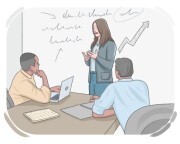
presentar una idea o tema de manera clara y detallada
explain, expound
She expounded her theory before the committee.

hacer que una persona vuelva a pensar en algo que debe saber o hacer
to remind
I remind you that the meeting starts at nine.
un anuncio o declaración oficial escrita dirigida al público
communique, statement
The royal palace's statement confirmed the news.

echar en cara a alguien una falta o error, mostrando desaprobación o resentimiento
reproach, blame
He always reproaches me for being late.
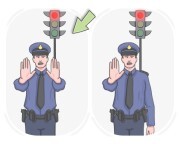
destacar o repetir una idea para mostrar que es especialmente importante
to stress, to emphasize
I want to stress that the decision is not yet final.
señalar, mostrar o hacer notar algo a alguien
indicate, show
The map shows the location of the hotel.
hacer que una cualidad o circunstancia sea más visible o notable
highlight, emphasize
The report highlights the key points.

expresar una opinión u observación sobre algo, normalmente en una conversación
comment, remark
The professor commented that my essay had a very solid argument.
llamar la atención sobre algo o avisar de un peligro o error
warn
The sign warns of danger.
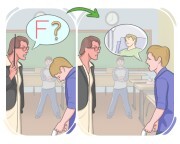
dar razones para demostrar que una acción, decisión o idea es correcta o comprensible
to justify, to explain
Nothing justifies that behavior.
servir como ejemplo claro de una idea, una cualidad o una situación
to exemplify, to illustrate
This case exemplifies the problems of the system.
decir o hacer algo otra vez para enfatizarlo o aclararlo
to reiterate, to repeat
I want to reiterate my gratitude.
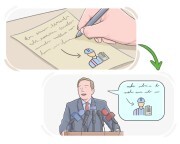
indicar algo con precisión o detalle
specify, state clearly; detail
The contract specifies the conditions.
resaltar o dar mayor importancia a algo
to emphasize, to highlight
The design emphasizes the main lines.

rechazar o eliminar algo de consideración, selección o análisis; no aceptar
reject, discard
They discarded several options before making a final decision.
rechazar o no conceder algo que se solicita
to deny, to refuse
The company refused access to the building.
nombrar o contar elementos uno por uno
to enumerate, to list
They enumerated all the countries on the continent.

decir algo de forma repentina o sin pensar, a menudo información que se ocultaba
to spit it out, to blurt out
He kept insisting until she blurted it out.

hacer referencia a alguien o algo al hablar o escribir
to mention, to refer to
I want to mention an important point.
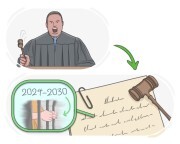
establecer o fijar condiciones, normas o acuerdos de manera formal
to stipulate, to specify
A delivery deadline of two weeks was stipulated.
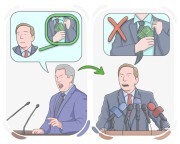
negar la veracidad de algo o demostrar que es falso
to deny, to refute
They refuted the news at the conference.

decir o comunicar algo públicamente
announce, declare
I want to announce my engagement.
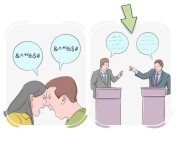
discutir un tema con otra u otras personas, presentando argumentos a favor y en contra
debate, discuss
It's important to debate respectfully.

decir o gritar algo con emoción o sorpresa
exclaim, cry out
The child exclaimed with joy when receiving the gift.
expresar o formular algo de manera clara y formal
state, enunciate
The theory was first stated in the 19th century.
que persuade o impresiona por su fuerza o claridad
convincing, compelling
His victory was a compelling message to his critics.
| SIELE Vocabulary for Scores 846+ | |||
|---|---|---|---|
| City | Law | Communication | Movement |
| Support and Opposition | Opinion and Preference | Cause and Effect | Change and Development |
| Certainty and Possibility | Comparison | Description | Evaluation |
| Argumentation | Useful Verbs | ||
