
C1 Level Vocabulary - Health and Injuries
Expand your C1 French vocabulary for injuries, symptoms, pain, recovery, and health conditions, and explain the causes, consequences, and treatment of physical problems precisely.
Review
Flashcards
Forms
Spelling
Quiz

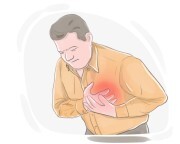
arrêt brutal de la circulation sanguine dans une partie du cœur causant la mort des cellules

infarction, heart attack
He survived a heart attack thanks to quick intervention.
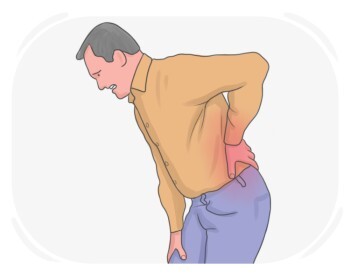
douleur aiguë dans le bas du dos
lower back pain, lumbago
Lumbago can limit daily movements.
marque ou blessure laissée par les griffes d'un animal ou par un objet pointu
scratch, claw mark
She got a scratch while playing with the cat.
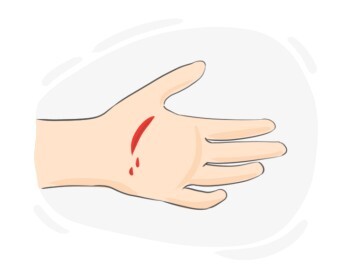
blessure causée par un objet tranchant qui entaille la peau
cut, gash
Be careful with the can, you could get cut.

sensation désagréable qui donne envie de vomir
nausea, queasiness
He felt strong nausea after eating too fast.
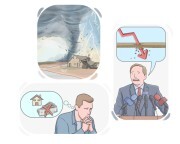
moment difficile avec beaucoup de problèmes
crisis
The country is going through a political crisis.
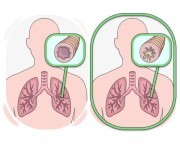
inflammation des bronches qui rend la respiration difficile
bronchitis, bronchial inflammation
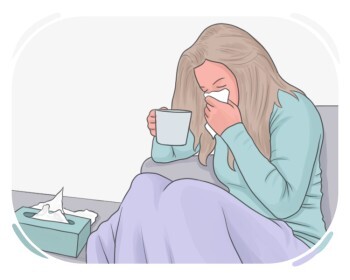
maladie infectieuse virale avec fièvre, frissons et courbatures
flu, influenza
The flu spreads quickly in winter.
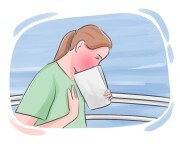
malaise ressenti sur un bateau à cause du mouvement des vagues
seasickness, motion sickness at sea
Seasickness can ruin a cruise.
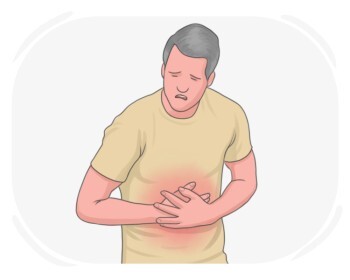
trouble de la digestion causé par un repas trop lourd ou trop copieux
indigestion, upset stomach
Indigestion can cause stomach pains.

inflammation de la peau provoquant rougeurs, démangeaisons et irritation
eczema, dermatitis
She sees a dermatologist for her eczema.
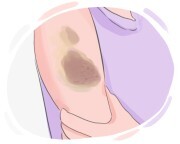
marque violacée sur la peau causée par un coup ou un traumatisme
bruise
He showed me a bruise on his leg.

une protubérance ou un gonflement sur une surface, souvent sur le corps après un choc
bump, swelling
The swelling on his arm is painful.
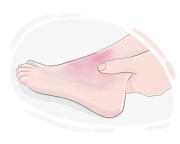
blessure d'une articulation causée par un étirement ou une déchirure des ligaments
sprain, twisted ankle
A sprain often causes pain and swelling.
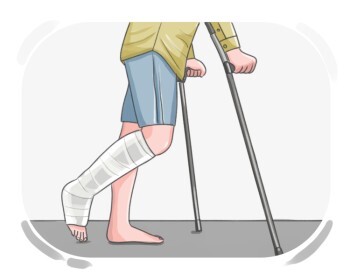
cassure ou fissure dans un os
fracture, break
The fracture must be treated quickly.
une lésion de la peau ou des tissus sous-jacents causée par un coup, sans coupure
bruise, contusion
The bruise becomes purple and painful.
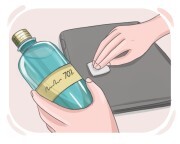
liquide utilisé comme désinfectant ou antiseptique
alcohol, antiseptic alcohol
70-degree alcohol is a good antiseptic.
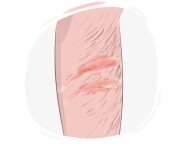
marque laissée sur la peau après la guérison d'une plaie
scar, mark
This scar comes from an old injury.
acte de se donner volontairement la mort
suicide
He left a letter before committing suicide.
sensation de douleur vive ou de picotement sur la peau ou une muqueuse
burning sensation, stinging
She felt a burning sensation after eating something very spicy.
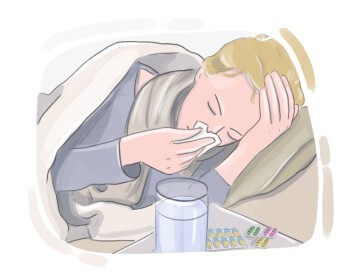
devenir malade ou être affecté par un problème de santé
to catch (a disease), to get
She caught a cold after going out without a coat.
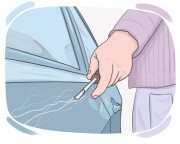
faire une petite blessure ou une marque légère à la surface de la peau ou d'un objet
to scratch, to scrape, to graze
He scratched his arm against a branch.
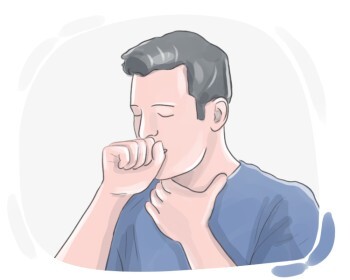
expulser de l'air brusquement par la bouche à cause d'une irritation des voies respiratoires
to cough, to hack
She coughed throughout the meeting.
se nettoyer le nez en expulsant l'air par les narines
to blow one's nose, to clear one's nose
You should blow your nose gently to avoid damaging your nostrils.
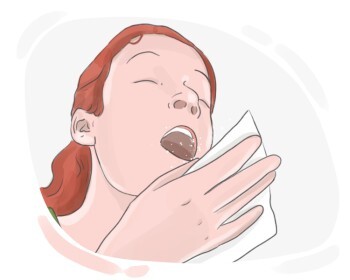
faire un mouvement brusque d'expiration par le nez et la bouche dû à une irritation
to sneeze
When I look at the sun, I often sneeze.
rejeter par la bouche le contenu de l'estomac
to vomit, to throw up
She threw up all night because of the flu.
provoquer un gonflement ou une inflammation
to inflate, to cause swelling
This medicine can inflame the tissues around the injury.
provoquer une inflammation ou une réaction dans une partie du corps
to inflame, to irritate
The rubbing inflamed his sensitive skin.
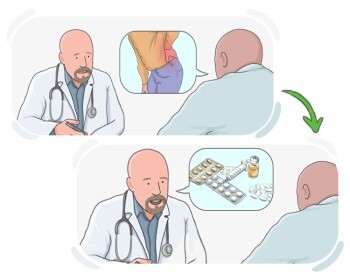
rendre ou redevenir en bonne santé après une maladie
to cure, to heal, to recover
It took her three weeks to recover from the flu.
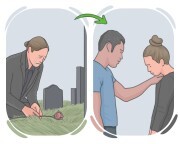
apporter du réconfort ou diminuer la souffrance de quelqu'un
to comfort, to soothe
Kind words can soothe a sad heart.
affaiblir progressivement quelqu'un, une institution, une situation ou un sentiment
to undermine, to weaken, to erode
Corruption weakened the country's institutions.
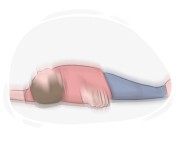
perdre conscience soudainement et tomber
to faint, to pass out
He passed out because of the intense heat.
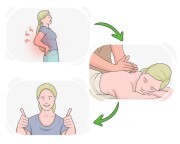
rendre quelqu'un ou quelque chose moins agité ou stressé
to calm, to soothe
The doctor soothed the patient's pain.
qui souffre d'une maladie ou qui est touché par un trouble physique ou mental
affected, suffering from, afflicted
Patients suffering from diabetes must follow a suitable diet.
