
Cambridgeská angličtina: FCE (B2 First) - Dynamika Vztahů a Sociální Chování
Revize
Kartičky
tvary
Pravopis
Kvíz

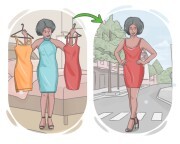
to choose something among other things

vybrat, rozhodnout se pro
Zvolím si lososa z jídelního lístku; je to moje oblíbené jídlo.
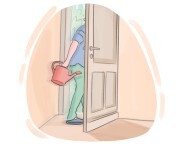
to leave the house and attend a specific social event to enjoy your time
jít ven, jít na párty
Pojďme ven na procházku a užijme si čerstvý vzduch.
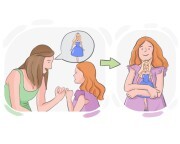
to follow through with what one has promised, planned, or committed to do
dodržovat, držet se
Pro udržení zdravého životního stylu je zásadní dodržovat pravidelnou cvičební rutinu.

to develop romantic feelings for someone
zamilovat se do, propadnout
Někdy se lidé nečekaně zamilují do někoho, koho původně považovali jen za přítele.
![to [do] {sb} a (favor|solid)](/assets/img/no-pic-700w.png "to [do] {sb} a (favor|solid)")
to perform a helpful or kind act for someone, typically without expecting something in return
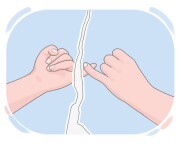
to no longer be friends with someone as a result of an argument
pohádat se, přerušit přátelství
Navzdory jejich dlouholetému přátelství způsobila řada neshod, že se pohádali a šli každý svou cestou.
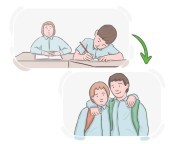
to make friends with someone
spřátelit se s, navázat přátelství s
Děti si snadno navazují přátelství s ostatními na hřišti, rychle vytvářejí spojení.

to have a good, friendly, or smooth relationship with a person, group, or animal
vycházet dobře, mít dobrý vztah
Snažili se vycházet se svými tchány a tchyněmi a vybudovat silné rodinné pouto.
to fulfill or uphold a commitment or agreement that one has made to someone
to fail to fulfill a commitment or assurance given to someone
to refrain from revealing confidential or sensitive information to others
to build a positive relationship with a specific person, often by spending time together and getting to know each other
![to [take] {sb/sth} for granted](https://cdn.langeek.co/photo/44572/thumb/350?type=jpeg "to [take] {sb/sth} for granted")
to not appreciate a person or thing because one thinks one will never lose them
brát jako samozřejmost, nevážit si
Nikdy neber své zdraví jako samozřejmost.
the state of being dedicated to someone or something
závazek, oddanost
Dobrovolničení v útulku každý víkend ukázalo její hlubokou oddanost pomoci potřebným.
to express one's anger or irritation toward the person who caused it
vybuchnout, vypustit páru
Byla klidná po většinu hádky, ale nakonec vybuchla na svého bratra.
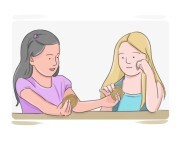
to possess or use something with someone else at the same time
sdílet, dělit se
Hotel je zcela obsazený a zbývá jen jeden pokoj, takže budete muset sdílet.
to share opportunities or responsibilities with others in a fair and orderly manner
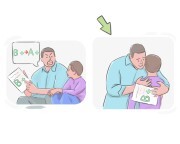
to not punish someone for a wrongdoing, or only give them a light punishment
nechat jít, odpustit
Policie nechala jít podezřelého s varováním místo zatčení, protože věřila, že přestupek byl menší a neúmyslný.
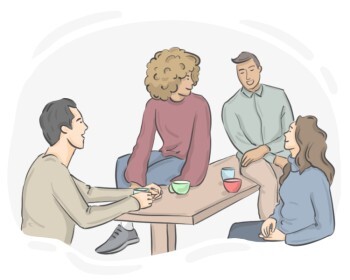
to spend time in a place, often without a specific purpose or activity
poflakovat se, potulovat se
Pes miluje pobývání v kuchyni, zatímco jeho majitel vaří.
someone who shares the same blood with a specific person who lived many years ago
potomek, dědic
Starověký artefakt byl předáván generacemi, až nakonec skončil v rukou přímého potomka.
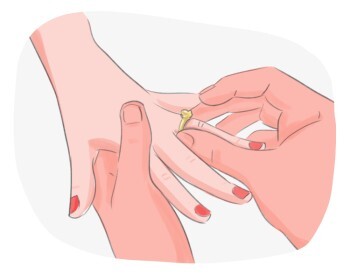
having formally agreed to marry someone
zasnoubený
Nemohla se dočkat, až představí svého snoubence svým přátelům, teď, když byli zasnoubeni.

the date on which a special event happened in a previous year
výročí
Tento víkend je výročí dne, kdy jsme se přestěhovali do našeho nového domova.
