


the remains of a dead body after cremation

popel
the lifeless body of a human being
mrtvola, tělo bez života
the process of burning a dead body to ashes
kremace, spalování
Moderní zařízení pro kremaci dodržují přísné bezpečnostní postupy.
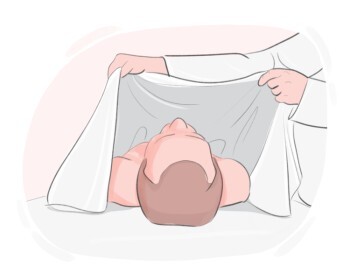
the fact or act of dying
smrt, úmrtí
a short verse or poem on a tombstone, serving to commemorate or convey a message to visitors of the grave
epitaf, náhrobní nápis
Na pohřbu blízký přítel nahlas přečetl upřímný náhrobní nápis vytesaný do náhrobního kamene.
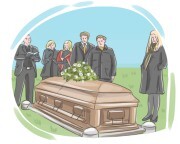
a ceremony held to honor a person who has died, usually before or during burial or cremation
pohřeb, pohřební obřad
a professional who organizes and manages funerals
ředitel pohřebního ústavu, organizátor pohřbů
Ředitel pohřebního ústavu se ujistil, že vše je připraveno pro pamětní obřad.

a place or hole in the ground where a dead body is buried
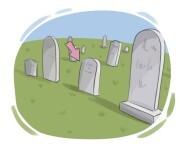
a stone marker placed at a grave to show who is buried there
náhrobní kámen, hrobový kámen
Hřbitov má řady náhrobků označujících každý hrob.
a vehicle specially designed to transport deceased individuals in coffins or caskets from the place of death to the funeral home or cemetery
pohřební vůz, katafalk
Květiny zdobily vnější část pohřebního vozu během pohřebního obřadu.
a place where dead bodies are kept before burial or cremation
pohřební ústav, márnice
Pitevna se nachází v samostatné budově za nemocnicí.
someone who prepares dead bodies for burial or cremation and arranges funerals as their job
pohřebník, balzamovač
Mnoho pohřebních úředníků podstupuje specializovaný výcvik v pohřební vědě a získává licenci k praxi, přičemž dodržuje přísné etické a právní standardy ve svém povolání.
a place where dead bodies are kept temporarily before burial or cremation
márnice, pohřební síň
Pitevna uchovává těla v bezpečí, dokud rodina neudělá pohřební plány.
a person who is sad or grieving because someone has died
truchlivý, oplakávající
Obřad utěšil truchlící v jejich zármutku.
the act of honoring a past event or a deceased person
vzpomínka, památka
Výročí bylo označeno okamžikem vzpomínky.
a stone coffin in ancient times, often decorated with a sculpture
sarkofág, kamenná rakev
Archeologové objevili krásně zdobený sarkofág v starověké hrobce.
a piece of fabric used to wrap a deceased person's body for burial or cremation
rubáš, pohřební plátno
Staří egyptští faraoni byli často pohřbíváni v propracovaných hrobkách, zabaleni do luxusních lněných rubášů ozdobených složitými hieroglyfy a symboly.
a professional who arranges and manages funerals
pohřební ústavník, hrobník
Pohřební úředník připravil vše pro památku.
a tall, often decorative container used to hold ashes after cremation
urna, popelnice
Květiny byly uspořádány kolem urny během pamětního obřadu.
a ceremony or vigil held over a dead body the night before burial
noční bdění, pohřební vigilie
a cloth in which a dead body is wrapped for burial
rubáš, pohřební plátno
Některá muzea vystavují historická rubáš jako artefakty.
a platform or frame on which a coffin or corpse is placed during a funeral or prior to burial or cremation
katafalk, nosítka pro rakev
Po skončení obřadu nosiči opatrně zvedli rakev z katafalku a připravili se na průvod na hřbitov.
a decorated platform on which a coffin is placed during a funeral
katafalk, pohřební katafalk
Katafalk byl použit pro státní pohřeb prezidenta.
the act of burying a dead body or the ceremony in which a dead body is buried
pohřeb, pohřbení
Archeologové objevili starověké pohřebiště u řeky.
a piece of land where people are buried
hřbitov, pohřebiště
Květiny byly položeny na hroby na hřbitově.
a box used to hold a dead body for burial or cremation
rakev, truhla
Rodina si prohlédla rakev před obřadem.
a box in which a dead person's body is placed for burial or cremation
rakev, máry
an area of land where dead people are buried, usually not next to a church
hřbitov, pohřebiště
Vybral si parcelu na klidném hřbitově u řeky.
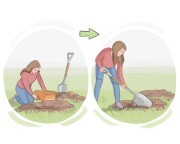
to put a dead person or animal beneath the ground
pohřbít, zakopat

to burn a dead body until it turns to ashes
zpopelnit, spálit
Moderní zařízení mohou zpopelnit efektivně a bezpečně.
to no longer be alive
zemřít, umřít

to no longer be alive
zemřít, odejít ze života
Můj dědeček zemřel minulý rok po dlouhé nemoci.
not alive anymore
mrtvý, zesnulý
Truchlili nad svým mrtvým psem celé týdny.
referring to a person who has recently died
zesnulý, zemřelý
Byly přezkoumány zdravotní záznamy zemřelého pacienta, aby bylo možné pochopit okolnosti jeho smrti.
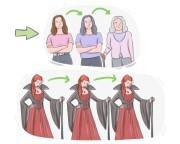
capable of dying
smrtelný, pomíjivý
V literatuře se smrtelné postavy často potýkají se svou smrtelností a čelí existenciálním otázkám o životě a smrti.
an examination of a dead body to establish the cause of death or identify effects of disease
pitva, posmrtná prohlídka
| Životní etapy | |||
|---|---|---|---|
| Narození | Miminka | Mládí | Výchova dětí |
| Dospělí | Manželství | Těhotenství | Stáří |
| Smrt | |||
