


the remains of a dead body after cremation

cenizas
the lifeless body of a human being
cadáver, restos mortales
the process of burning a dead body to ashes
incineración, cremación
Muchas culturas tienen rituales asociados con la cremación.
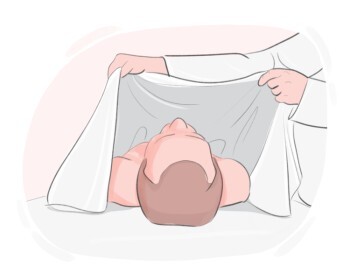
the fact or act of dying
muerte
a short verse or poem on a tombstone, serving to commemorate or convey a message to visitors of the grave
epitafio
El epitafio citaba su poema favorito para representar el espíritu creativo que aportaba a su arte.
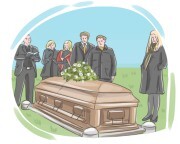
a ceremony held to honor a person who has died, usually before or during burial or cremation
funeral, entierro
a professional who organizes and manages funerals
director funerario, empresario de pompas fúnebres
El director funerario coordinó el transporte del cuerpo.

a place or hole in the ground where a dead body is buried
tumba
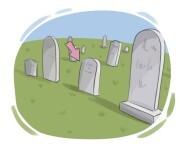
a stone marker placed at a grave to show who is buried there
lápida sepulcral, piedra sepulcral
Los visitantes suelen dejar flores junto a la lápida.
a vehicle specially designed to transport deceased individuals in coffins or caskets from the place of death to the funeral home or cemetery
coche fúnebre, carroza fúnebre
El director funerario condujo el coche fúnebre con el mayor cuidado y respeto.
a place where dead bodies are kept before burial or cremation
morgue
La morgue del hospital almacena cuerpos temporalmente.
someone who prepares dead bodies for burial or cremation and arranges funerals as their job
director funerario
Los tanatopractores desempeñan un papel vital al brindar apoyo emocional y orientación a las familias durante el proceso de duelo, ofreciendo compasión y comprensión en su momento de necesidad.
a place where dead bodies are kept temporarily before burial or cremation
depósito de cadáveres
El personal de la morgue preparó al fallecido para el funeral.
a person who is sad or grieving because someone has died
persona en duelo, doliente
Ella se sintió apoyada por los otros dolientes.
the act of honoring a past event or a deceased person
conmemoración
Se colocaron flores en recuerdo del fallecido.
a stone coffin in ancient times, often decorated with a sculpture
sarcófago
El sarcófago, adornado con intrincados tallados, se creía que pertenecía a un alto funcionario egipcio.
a piece of fabric used to wrap a deceased person's body for burial or cremation
mortaja
El director funerario envolvió suavemente el cuerpo del difunto en un sudario de seda blanca antes de la ceremonia de cremación.
a professional who arranges and manages funerals
director de funeraria, sepulturero
El funerario coordinó el transporte del cuerpo.
a tall, often decorative container used to hold ashes after cremation
urna, vaso funerario
Él eligió una urna simple para los restos de su padre.
a ceremony or vigil held over a dead body the night before burial
velatorio, velorio
a cloth in which a dead body is wrapped for burial
sudario, mortaja
El sacerdote bendijo la mortaja durante la ceremonia.
a platform or frame on which a coffin or corpse is placed during a funeral or prior to burial or cremation
andas
El féretro, cubierto de terciopelo negro, estaba al frente de la capilla, sirviendo como el punto focal del servicio funerario.
a decorated platform on which a coffin is placed during a funeral
catafalco, túmulo
El catafalco estaba adornado con flores y velas.
the act of burying a dead body or the ceremony in which a dead body is buried
entierro
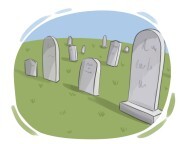
a piece of land where people are buried
cementerio, campo santo
El cementerio del pueblo está rodeado de árboles.
a box used to hold a dead body for burial or cremation
ataúd, féretro
El ataúd fue llevado a la capilla por los portadores.
a box in which a dead person's body is placed for burial or cremation
ataúd, féretro
an area of land where dead people are buried, usually not next to a church
cementerio
Las familias suelen caminar por el cementerio en el Día de los Caídos.
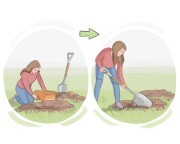
to put a dead person or animal beneath the ground
enterrar, sepultar

to burn a dead body until it turns to ashes
incinerar, cremar
Planean incinerar a la mascota y guardar las cenizas en una urna.
to no longer be alive
morir

to no longer be alive
fallecer, dejar de vivir
Ella falleció pacíficamente mientras dormía.
not alive anymore
muerto
Vi un pájaro muerto en la acera.
referring to a person who has recently died
difunto, fallecido
El soldado fallecido fue honrado con un servicio conmemorativo para conmemorar su sacrificio.
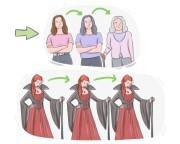
capable of dying
mortal, perecedero
Los soldados mortales enfrentaron valientemente los peligros de la batalla a pesar del riesgo de muerte.
an examination of a dead body to establish the cause of death or identify effects of disease
autopsia, examen post mortem
| Etapas de la Vida | |||
|---|---|---|---|
| Nacimiento | Bebés | Juventud | Criar a los hijos |
| Adultos | Matrimonio | Embarazo | Vejez |
| Muerte | |||
