pattern

500 nejčastějších anglických přídavných jmen - Top 151 - 175 Přídavná Jména

Zde je vám poskytnuta část 7 seznamu nejčastějších přídavných jmen v angličtině, jako jsou "měkký", "minulý" a "užitečný".

Revize

Kartičky

Pravopis

Kvíz
Začněte se učit
Most Common Adjectives in English Vocabulary
English
English
[Přídavné jméno]

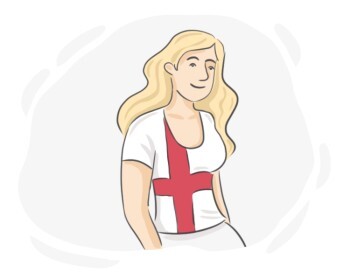
belonging or relating to England, its people, or language

anglický
anglický

Ex: She took an English class to improve her language skills. 
equal
equal
[Přídavné jméno]

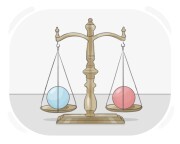
having the same amount, size, quantity, etc.

stejný
stejný

Ex: The twins received equal portions of cake for their birthdays. 
soft
soft
[Přídavné jméno]

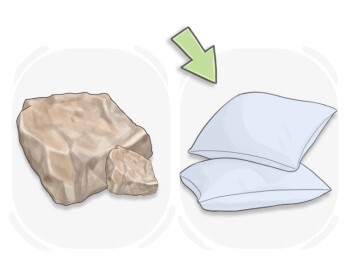
gentle to the touch

měkký, jemný

měkký, jemný

Ex: He wore a soft woolen scarf around his neck to stay warm. 
past
past
[Přídavné jméno]

done or existed before the present time

minulý, předchozí

minulý, předchozí

Ex: Her past experiences shaped her perspective on life. 

Její minulé zkušenosti formovaly její pohled na život.

foreign
foreign
[Přídavné jméno]

related or belonging to a country or region other than your own

cizí, zahraniční

cizí, zahraniční

Ex: He traveled to a foreign country for the first time and experienced new cultures. 

Poprvé cestoval do cizí země a zažil nové kultury.

useful
useful
[Přídavné jméno]

providing help when needed

užitečný, praktický

užitečný, praktický

Ex: Having a mentor at work can be useful in guiding career decisions and providing valuable insights. 

Mít na pracovišti mentora může být užitečné pro vedení kariérních rozhodnutí a poskytování cenných poznatků.
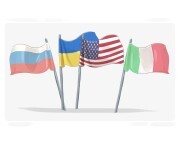
national
national
[Přídavné jméno]

relating to a particular nation or country, including its people, culture, government, and interests

národní

národní

Ex: National pride is often displayed during patriotic events and celebrations. 
tough
tough
[Přídavné jméno]

difficult to achieve or deal with

těžký, náročný

těžký, náročný

Ex: Climbing Mount Everest is tough due to its extreme altitude and unpredictable weather conditions. 
bright
bright
[Přídavné jméno]

emitting or reflecting a significant amount of light

jasný, zářivý

jasný, zářivý

Ex: The bright sun shone down on the beach, warming the sand. 
giant
giant
[Přídavné jméno]

extremely large in size

obrovský, gigantický

obrovský, gigantický

Ex: The giant corporation dominated the market, influencing the decisions of smaller businesses. 
warm
warm
[Přídavné jméno]

having a temperature that is high but not hot, especially in a way that is pleasant

teplý, vlažný

teplý, vlažný

Ex: She dipped her feet in the warm sand on the beach. 
unique
unique
[Přídavné jméno]

unlike anything else and distinguished by individuality

unikátní, jedinečný

unikátní, jedinečný

Ex: This dish has a unique flavor combination that is surprisingly good. 

Toto jídlo má jedinečnou kombinaci chutí, která je překvapivě dobrá.

massive
massive
[Přídavné jméno]

extremely large or heavy

masivní, obrovský

masivní, obrovský

Ex: The ancient castle was built with massive stone walls, standing strong for centuries. 

Starobylý hrad byl postaven z masivních kamenných zdí, stojících pevně po staletí.
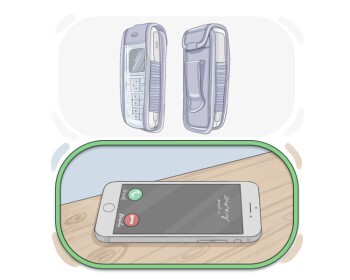
fresh
fresh
[Přídavné jméno]

new or different and not formerly known or done

nový, čerstvý

nový, čerstvý

Ex: Let's take a fresh approach to this challenge and brainstorm some new solutions. 
recent
recent
[Přídavné jméno]

having happened, started, or been done only a short time ago

nedávný, nový

nedávný, nový

Ex: He is worried about his recent health problems. 
alive
alive
[Přídavné jméno]

continuing to exist, breathe, and function

živý, naživu

živý, naživu

Ex: The patient remained alive thanks to the life-saving efforts of the medical team. 

Pacient zůstal naživu díky život zachraňujícím snahám lékařského týmu.

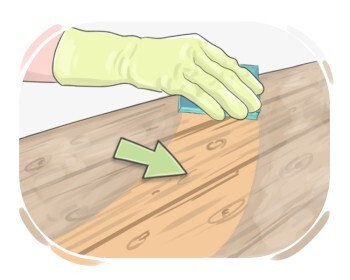
very
very
[Přídavné jméno]

used to emphasize that one is talking about the exact same person or thing and not about anyone or anything else

týž, velmi
týž, velmi

Ex: The very moment I saw her, I knew something was wrong. 
clean
clean
[Přídavné jméno]

not having any bacteria, marks, or dirt

čistý, sterilní

čistý, sterilní

Ex: He washed his hands to keep them clean. 
afraid
afraid
[Přídavné jméno]

getting a bad and anxious feeling from a person or thing because we think something bad or dangerous will happen

vystrašený, bojácný

vystrašený, bojácný

Ex: He's always been afraid of the dark. 

Vždy se bál tmy.

fair
fair
[Přídavné jméno]

relatively large in number, amount, or size

značný, velký

značný, velký

Ex: The fair amount of rainfall this season has been beneficial for the crops. 
willing
willing
[Přídavné jméno]

interested or ready to do something

ochotný, připravený

ochotný, připravený

Ex: She was willing to lend a helping hand whenever her friends needed it. 
comfortable
comfortable
[Přídavné jméno]

physically feeling relaxed and not feeling pain, stress, fear, etc.

pohodlný, komfortní

pohodlný, komfortní

Ex: He appeared comfortable during the yoga class, showing flexibility and ease in his poses. 

Během hodiny jógy vypadal pohodlně, prokazoval pružnost a lehkost v pozicích.
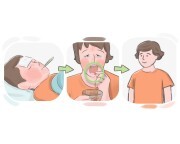
effective
effective
[Přídavné jméno]

achieving the intended or desired result

účinný, efektivní

účinný, efektivní

Ex: Wearing sunscreen every day is an effective way to protect your skin from sun damage. 

Nošení opalovacího krému každý den je efektivní způsob, jak chránit pokožku před poškozením sluncem.
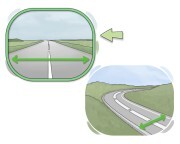
wide
wide
[Přídavné jméno]

having a large length from side to side

široký, rozlehlý
široký, rozlehlý

Ex: The river was over 30 feet wide at its widest point, making it a challenge to cross without a bridge. 
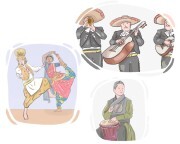
traditional
traditional
[Přídavné jméno]

belonging to or following the methods or thoughts that are old as opposed to new or different ones

tradiční, klasický

tradiční, klasický

Ex: The company’s traditional dress code requires formal attire, while other workplaces are adopting casual policies. 

Tradiční dress code společnosti vyžaduje formální oblečení, zatímco jiná pracoviště přijímají uvolněné politiky.

LanGeek
Stáhnout aplikaci LanGeek