


to be situated or established in a particular place

nacházet se, být umístěn
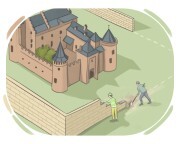
to form a boundary around something
ohraničit, obklopit

the boundary between land and water, particularly as seen on a map or from above
pobřeží, pobřežní čára
Turisté obdivovali krásu středomořského pobřeží.
(of a place) having people or animals living in a place
obydlený, osídlený
Jen málo obydlených oblastí zůstává nedotčeno moderní technologií.
to trace the existence or origin of something to a specific point in time
sahají, vracet se
Archivy místní knihovny sahají až k založení města.
a society that has developed its own culture and institutions in a particular period of time or place
civilizace, společnost
Vzestup civilizace v Mezopotámii znamenal počátek zaznamenané historie.
to have a powerful and lasting effect on someone or something
zanechat stopu, výrazně se zapsat
Doufá, že zanechá stopu ve světě umění.
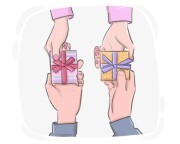
to give something to someone and receive something else from them
vyměnit, prohodit

items made or produced for sale
zboží, produkty
Rozhodl se darovat své lehce použité zboží na charitu, v naději, že pomůže potřebným.

a smooth, soft, lustrous fabric made from fine threads produced by silkworms
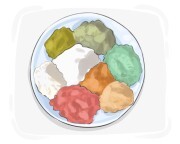
a type of dried plant with a pleasant smell used to add taste or color to the food
koření
Koření jako kurkuma a kmín jsou v indické kuchyni běžné.
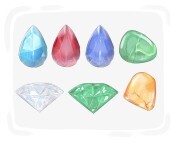
a valuable stone that is cut and polished to be used in jewelry making
drahokam, klenot

a building used for religious worship, especially in religions such as Hinduism and Buddhism
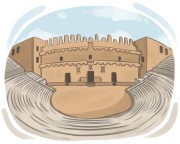
an open building that is round or oval in shape and has a space in the middle surrounded by several seats, originated in ancient Roman and Greek architecture used for public entertainments such as sports or drama
amfiteátr, aréna
Návštěvníci mohli prozkoumat pozůstatky starého amfiteátru během prohlídky starověkého města.
(ancient Rome) a trained fighter who fought people or animals in an arena for public entertainment
gladiátor, gladiátorka
the state of being connected to or originating from a specific place, culture, or background
kořeny, původ
Je hrdý na své kořeny a nese s sebou historii své rodiny.
currently serving a practical purpose or function
v provozu, používaný
as time passes or progresses
časem, s postupem času
Pokud budete dodržovat novou dietu, postupem času si všimnete změn ve svém zdraví.
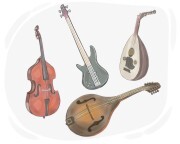
any musical instruments that can produce sound when its strings are touched or struck
strunný nástroj, chordofon
Tradiční bluegrassová hudba často zahrnuje banjo, živý a rezonanční strunný nástroj.
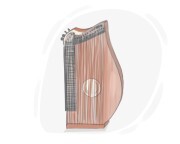
a stringed instrument used in folk music consisting of a flat thin body and many strings stretched across that is played by fingers or a plectrum
citera, zither

active and full of energy
energický, dynamický
Davidův energický výkon na fotbalovém hřišti zapůsobil na skauty a zajistil mu místo v univerzitním týmu.
during a particular period or while something is happening
uprostřed, během
Uprostřed schůzky obdržel naléhavý telefonát.
a war that is between people who are in the same country
občanská válka, vnitřní konflikt
Občanské války obvykle vznikají z vnitřních konfliktů kvůli politickým, sociálním nebo ekonomickým rozdílům v rámci národa.
an open clash or struggle between opposing groups or individuals
konflikt, střet
physical or mental pain, distress, or unhappiness
utrpení, trápení
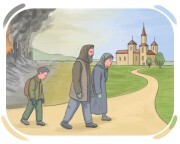
a person forced to leave their country or home to escape war, persecution, or serious danger
uprchlík, běženec
(of a place) characterized by constant activity, with people moving around, interacting, and creating a sense of liveliness
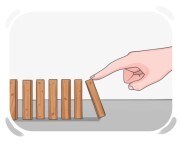
to cause a change in a person, thing, etc.
ovlivnit, změnit
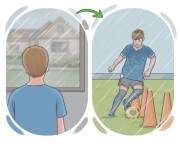
used to show that something happened or is true, even though there was a difficulty or obstacle that might have prevented it
navzdory, přestože

an attempt to do something, particularly something demanding
úsilí
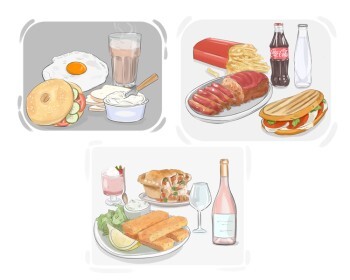
food that is made in a special way as part of a meal
pokrm, jídlo
Crushed or milled into very fine particles, typically referring to food items, spices, or minerals that have been processed for culinary or industrial uses
mletý, drcený
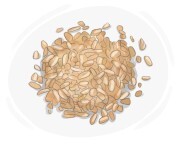
whole grain of wheat that is partially boiled then dried, especially used in Middle Eastern cuisines
bulgur, lámaná pšenice

having been subjected to heat, often resulting in a warm, browned, or crisp texture
opečený, toastovaný
Opečený chléb byl dokonalým doplňkem k pálivé polévce.

a plant whose leaves, seeds, or other parts are used for flavoring food, medicine, or fragrance
bylina
an assortment of things from which a choice can be made
výběr

a small dish that is eaten before the main part of a meal
předkrm, aperitiv
Před hlavním chodem jsme si vychutnali lehký předkrm ze zeleninových jarních závitků s pikantní omáčkou.
well-seasoned rice (with nuts or currants or minced lamb) simmered or braised in stock
dolma, plněné vinné listy
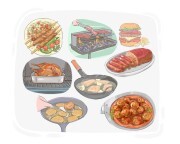
a method or style of cooking that is specific to a country or region
kuchyně
Ocenila bohaté chutě a koření nalezené v tradiční indické kuchyni.

flat and thin type of bread that contains no yeast
plochý chléb, placka
Podávala kari s čerstvě upečeným plochým chlebem.

a baked good made from dough or batter, often sweetened or filled with ingredients like fruit, nuts, or chocolate
pečivo, cukroví
Během odpoledního čaje sdíleli talíř pečiva.
to make something full
naplnit, zaplnit
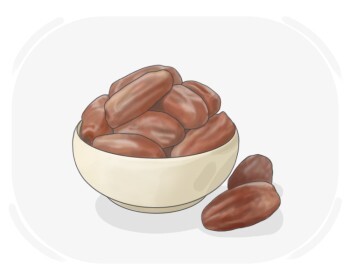
a small brown fruit with a sweet taste and a hard seed
datle, datle
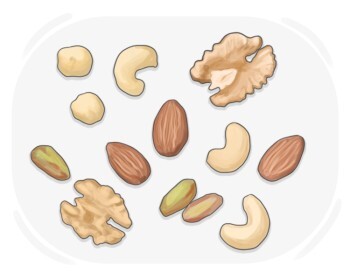
a fruit or edible seed enclosed in a hard shell
ořech, oříšek
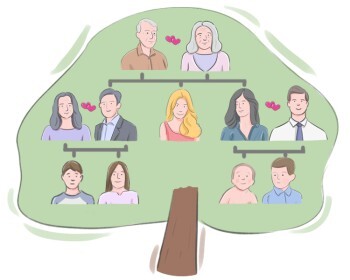
a large family group consisting of parents and children that might also include grandparents, aunts, or uncles
širší rodina, velká rodina
Širší rodina pomáhala vychovávat děti a poskytovala další péči a vedení.
very important and necessary
ústřední, základní

the activity of telling a story in written or oral form
vyprávění příběhů, umění vyprávění příběhů
to value something or someone's good qualities
oceňovat, vážit si
used to add extra or supplementary information
kromě, mimo
Kromě titulu v inženýrství má také diplom v hudbě.

someone or something's role in achieving a specific result, particularly a positive one
příspěvek
a person who is held in jail or prison as punishment for a crime, or while awaiting trial or sentencing
vězeň, odsouzený

a form of government where power is concentrated in the hands of a single individual or a small group, often with absolute authority, without the consent of the people
diktatura, diktátorský režim
Mnoho zemí bojovalo proti diktatuře ve 20. století.
the condition or state of experiencing severe difficulty or suffering
obtíž, strádání
Navzdory obtížím se jim podařilo zůstat pozitivní a plní naděje do budoucna.
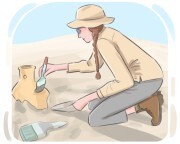
a person whose job is to study ancient societies using facts, objects, buildings, etc. remaining in excavation sites
archeolog
a small, flat piece of clay that has been molded and hardened, typically used as a medium for writing or inscribing information in ancient civilizations
hliněná tabulka, hliněný tablet
Hliněná tabulka nalezená v troskách chrámu obsahovala pokyny pro rituály a oběti, které měli vykonávat kněží.
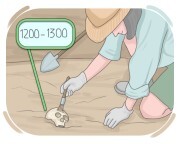
to have origins or existence that extends to a specific earlier time
pocházet z, datovat se do
Stavba historického sídla sahá do počátku 19. století.
a set of symbols or characters used to represent language in a visual or tangible form, allowing communication and the recording of information
psací systém, metoda psaní
an earlier thing, idea, or form from which a later one developed
předek, předchůdce
| Slovní zásoba Blízkého východu | |||
|---|---|---|---|
| Írán | Saúdská Arábie | Libanon | Sýrie |
| Irák | Spojené arabské emiráty | Jordánsko | Jemen |
| Omán | |||
